Used Mazda CX-30 Buying Guide
Updated September 2026 by MV, Savvy Dealer Inc.
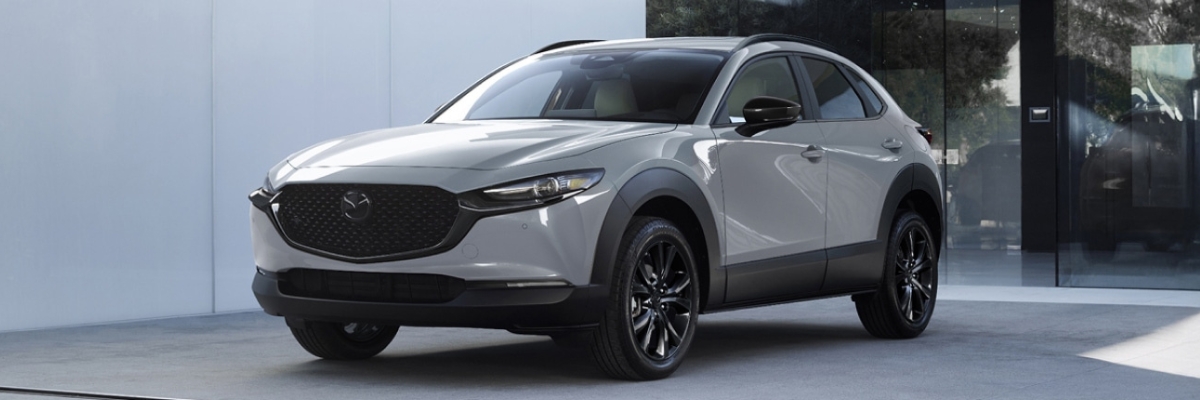
The Mazda CX-30 is Mazda's compact SUV, best suited for new drivers or for those looking to save on reliability and fuel costs. Though many are in the market for a new model of this beloved SUV, the used market provides plenty of excellent options for prospective buyers, and in this used Mazda CX-30 buying guide, we'll be exploring the world of CX-30 reliability, giving you the ins and outs of compact crossover ownership as we try to build a Mazda SUV checklist.
Key Takeaways:

- The CX-30 delivers engaging handling and upscale interior quality compared with many mainstream compact crossover competitors.
- Buyers should inspect tire wear and suspension conditions carefully on turbocharged higher-performance trims.
- Standard safety technology and available all-wheel drive improve long-term usability across varying driving conditions.
Is a Mazda CX-30 any good?
The Mazda CX-30 is one of the easiest compact crossovers to recommend because it successfully blends mainstream pricing with a near-luxury feel. Mazda has essentially built a vehicle that feels more expensive than it is, with a beautifully designed interior, high-quality materials, excellent noise isolation, and some of the most comfortable seats in the segment. If you climb into a CX-30 after driving many competitors, it often feels like someone accidentally parked a luxury vehicle in the compact crossover section.
The driving experience is where the CX-30 really separates itself. Unlike many rivals that rely on continuously variable transmissions, the CX-30 uses a traditional 6-speed automatic that feels more natural and responsive.
The standard 191-horsepower engine provides plenty of power for everyday driving, while the turbocharged 250-horsepower version transforms the vehicle into something genuinely quick. Steering is precise, body control is excellent, and the vehicle feels far more composed on winding roads than most competitors. Standard all-wheel drive across the lineup is another major advantage, especially for buyers who live in areas with frequent rain or winter weather.
The biggest compromises involve space. The CX-30 is best thought of as a lifted hatchback rather than a traditional family SUV. Rear-seat room is tighter than you'll find in competitors like the Honda CR-V, Toyota RAV4, or Volkswagen Tiguan. Cargo capacity is also on the smaller side, and taller passengers may find the rear seat somewhat cramped on longer trips. The sleek roofline and thick rear pillars create noticeable blind spots as well, making the vehicle's cameras and monitoring systems particularly useful.
Is the Mazda CX-30 a good used car to buy?
A used Mazda CX-30 is one of the strongest values in the used crossover market. It delivers an upscale interior, excellent driving manners, strong safety ratings, and standard all-wheel drive without carrying the luxury-brand maintenance costs of something like a BMW or Audi. Even a few years after purchase, the cabin still feels surprisingly premium, with quality materials, physical climate controls, and Mazda's intuitive rotary infotainment controller that many owners prefer over touchscreen-heavy competitors.
The CX-30's biggest strength is that it doesn't drive like a typical crossover. Steering is sharp, the suspension feels composed, and the standard 191-horsepower engine provides more than enough performance for daily driving. Buyers looking for extra punch can seek out turbocharged models, which deliver genuinely quick acceleration.
Safety is another highlight, with features such as adaptive cruise control, blind-spot monitoring, lane-keeping assistance, and strong crash-test performance available on many trims.
The tradeoffs come down to space and practicality. Rear-seat legroom is tighter than you'll find in competitors such as the Honda CR-V, Toyota RAV4, or Kia Sportage. Cargo capacity is also on the smaller side, and the fuel tank is relatively small, meaning more frequent fuel stops during long road trips.
The suspension tuning favors handling over plushness, so rough roads can feel a bit firmer than they would in softer-riding rivals.
For used buyers, the sweet spot is generally the 2021 model year. It benefited from fixes to minor first-year issues found in some 2020 models and introduced the optional turbocharged engine.
The 2022-2024 models are also excellent choices if your budget allows. Overall, if you want a crossover that feels expensive, drives well, and is likely to age gracefully, the CX-30 is one of the easiest recommendations in its class. It is essentially a luxury hatchback disguised as a small SUV, which explains why so many owners end up becoming unexpectedly enthusiastic about it.
| Feature | Used Mazda CX-30 Ownership Insights |
|---|---|
| Best Used Model Years | 2021-2024 models offer the strongest mix of reliability, technology, and value |
| Driving Experience | Sporty handling and responsive steering outperform many compact SUV rivals |
| Interior Quality | Premium materials and upscale design exceed expectations for the segment |
| Common Concerns | Limited rear-seat space, small cargo area, and some early-model electrical issues |
| Engine Choices | Standard 2.5L offers balanced performance; Turbo models deliver significantly more power |
| Safety Features | Strong standard driver-assistance suite and top crash-test ratings |
| AWD Availability | Standard all-wheel drive across the lineup improves year-round usability |
Is a Used Mazda CX-30 Worth Purchasing?
The CX-30 is a great car for buyers of all walks of life, and Jarrett Group's selection of CX-30s is all excellently maintained, so know that when you walk into our dealerships, you're walking into a dealership where we take pride in our inventory, regardless of whether or not it's been pre-owned.
Learn more
Used Audi Q3 Buying Guide
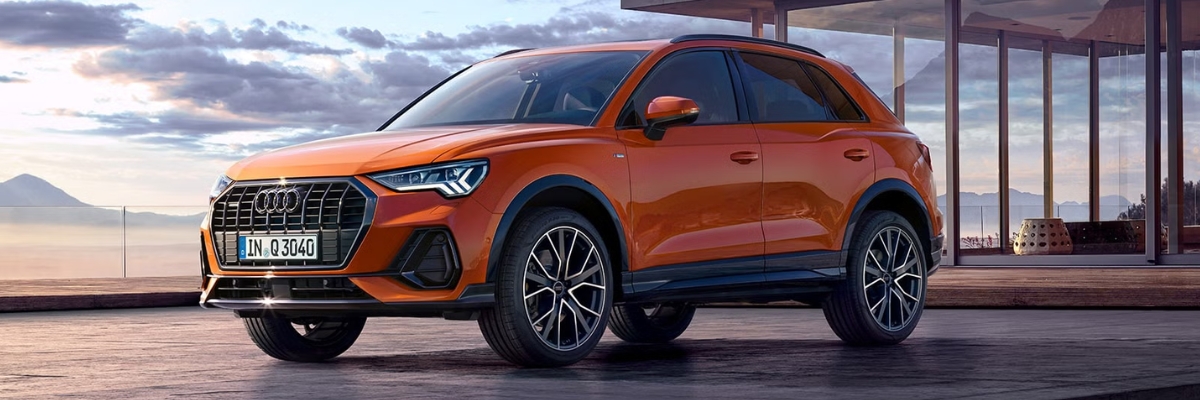
While you may think that luxury means a huge price tag and an unending list of reliability gremlins, the Audi Q3 is here to change your mind. While a used luxury compact may not be your idea of an affordable car, these models are often built to last for years, and in this used Audi Q3 buying guide, we’ll be going over Audi Q3 reliability, as we build a luxury compact SUV checklist, helping you navigate the world of German SUV ownership.
Used Kia Optima Buying Guide
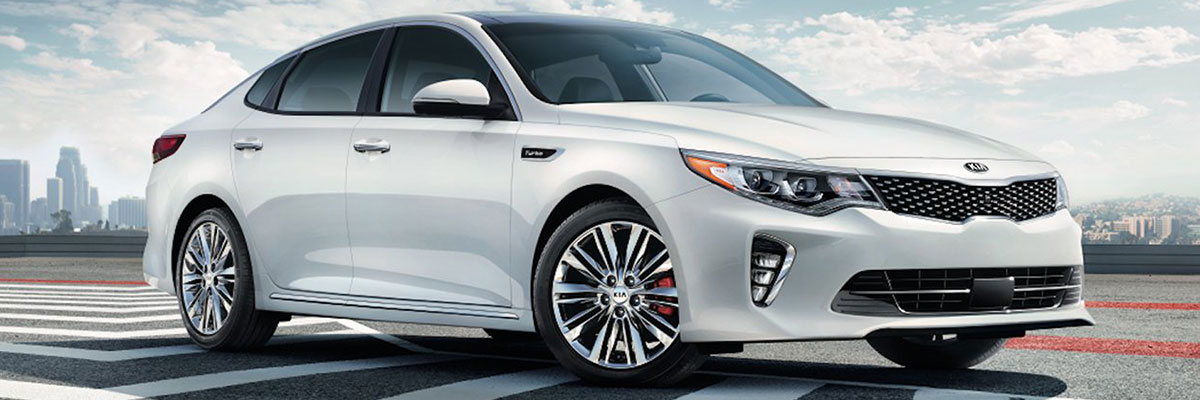
The Kia Optima is a great option for daily driving with its strong reliability and fantastic affordability only being better highlighted when shopping from used models. In this used Kia Optima buying guide, we’ll be going over the world of Optima reliability as we build a used midsize sedan checklist to help you understand the world of Kia ownership.
Used Hyundai Venue Buying Guide
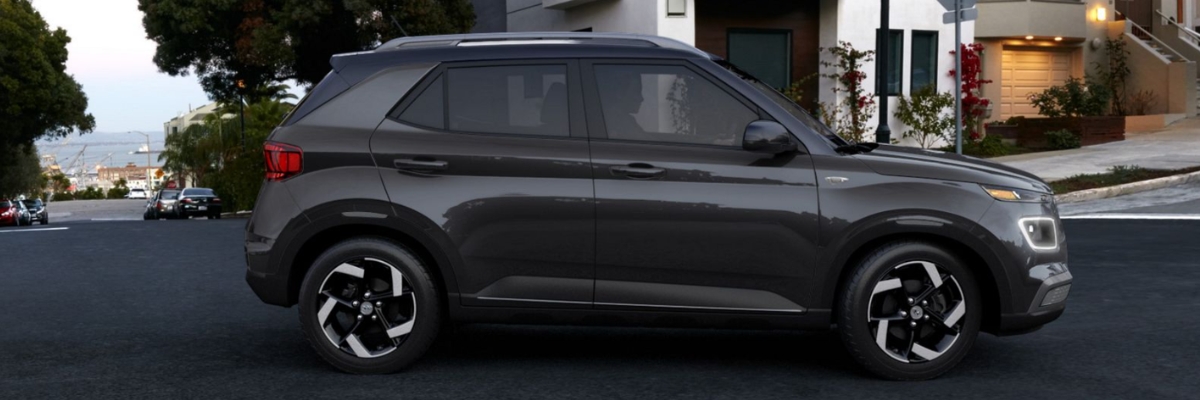
The Hyundai Venue is a great model for those looking to save big on an affordable SUV, and is doubly so when shopping used examples of the model. If you’re looking to see how the Venue can be a great investment for you and your family, we’ll be going over everything you need to know as we build a subcompact SUV checklist, as we show you the ropes with all you affordable used SUV.
Used Hyundai Kona Buying Guide
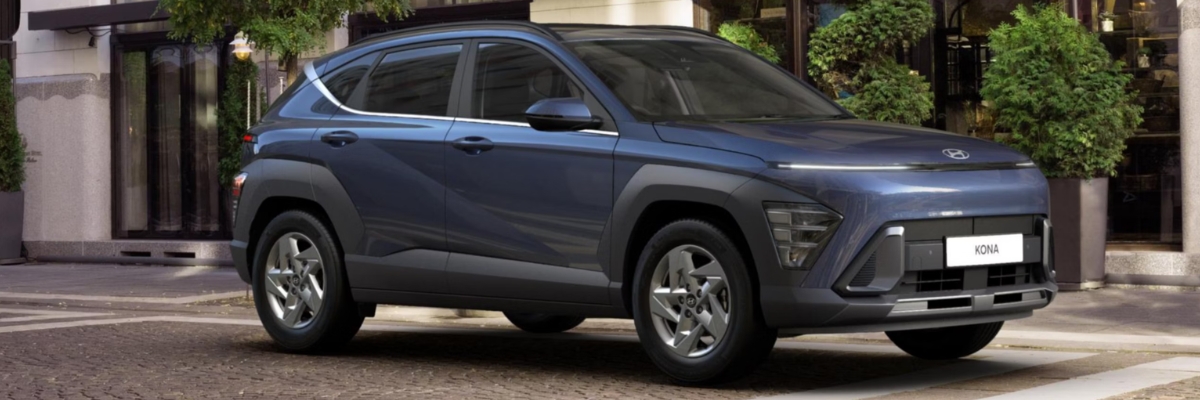
The Hyundai Kona is a great, low-cost model for many buyers looking to get themselves an affordable SUV. If you’re looking to see if the Kona could be the car for you, then you’ve come to the right place. In this buyer’s guide, we’ll be exploring Kona reliability as we build a compact SUV checklist in this Hyundai crossover ownership guide.
Used Cadillac LYRIQ Buying Guide
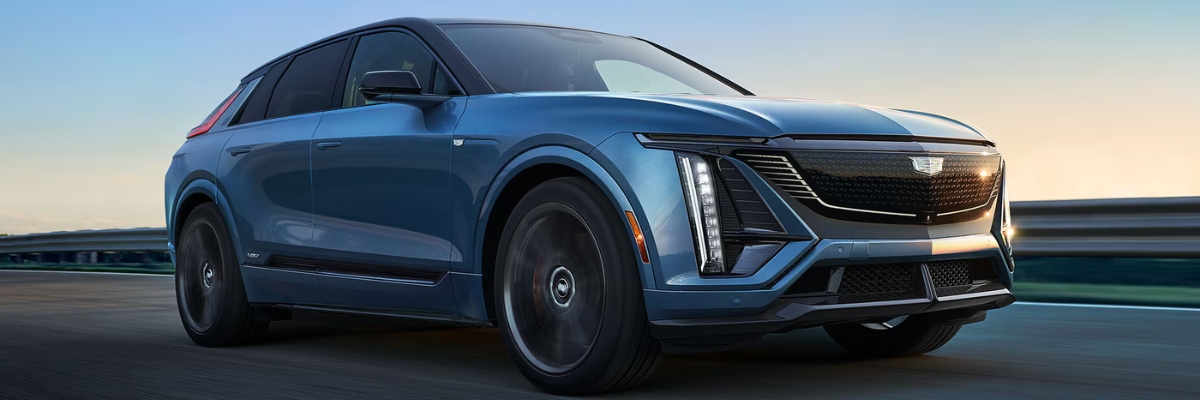
When General Motors launched the Cadillac LYRIQ, it marked a turning point for the brand. It was Caddy's very first dedicated EV SUV built from the ground up on GM's Ultium platform. Now that used models are hitting the market and prices are dropping, the LYRIQ is a tempting buy, but it may come with some trade-offs. Before you jump on a used LYRIQ, you need to know how the reliability shifts across each year.
Used Rivian R1S Buying Guide
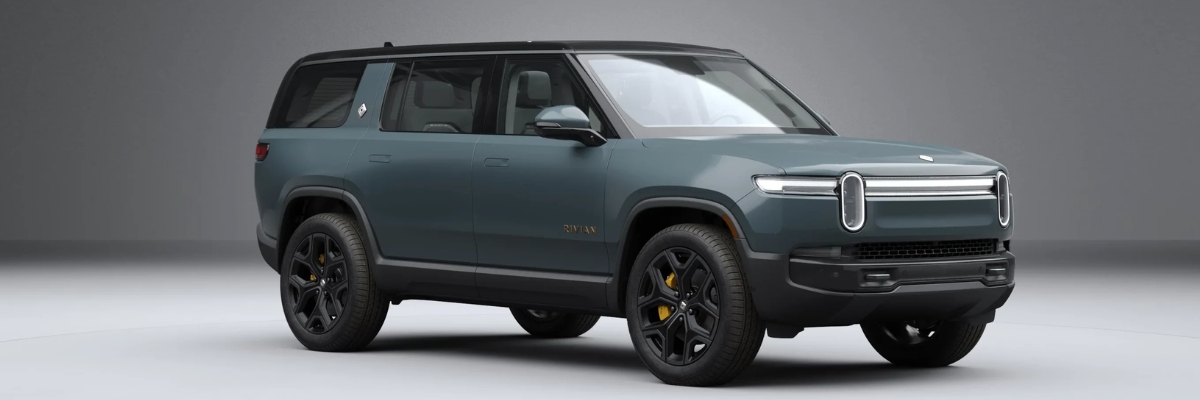
When Rivian brought out the R1S SUV in mid-2022, people lined up to buy it. Because Rivian couldn't build them fast enough, used prices stayed sky-high for two straight years. Now that more of them are out on the road and circulating through the market, pre-owned inventory is finally more reasonable. There's not much in the way of information (or complaints) on models just yet, but here's what you should know before buying a used Rivian R1S.
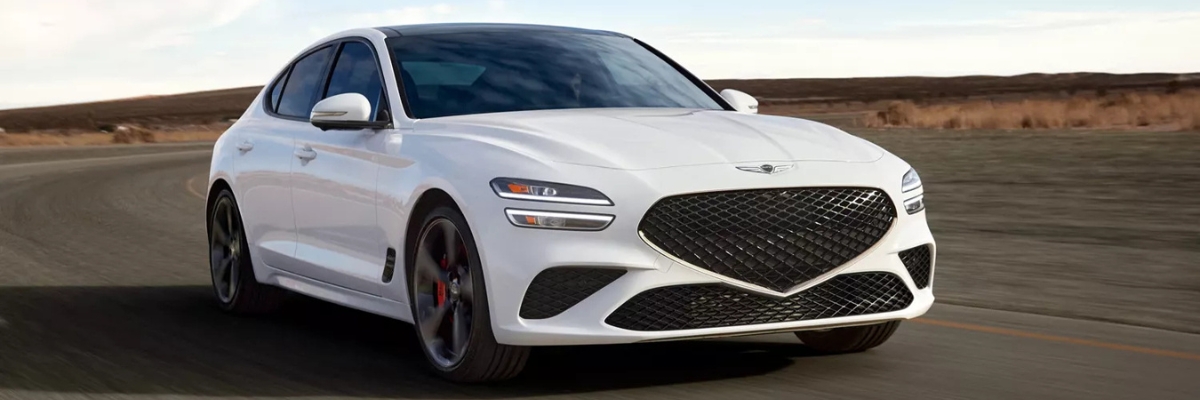
Used Genesis G70 Buying Guide
The Genesis G70 proved from the start that Genesis wasn't interested in simply building another luxury sedan. Instead, it set out to challenge long-established European brands with a car that combined sharp handling, premium features, and strong value. Since its 2019 debut, it has earned a reputation as one of the most rewarding sports sedans in its class. Find out what to look for when buying a used Genesis G70.
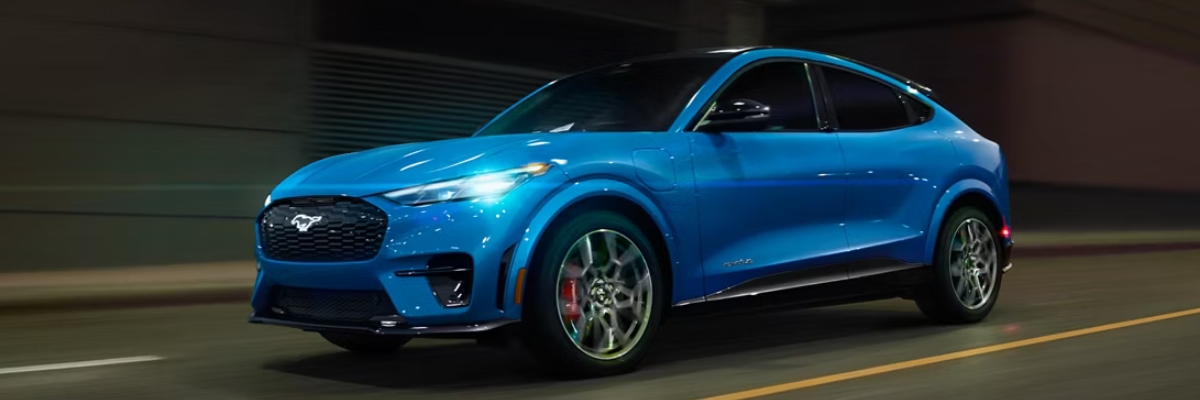
Ford Mustang Mach-E Used Buying Guide: Known Issues
The Ford Mustang Mach-E caused a real stir when it hit the streets in 2021. Purists balked at Ford slapping the iconic pony badge on an EV, but buyers voted with their wallets. Before you go hunting for a bargain on the used market, you need to know what you're getting into when looking at this EV SUV, because early model years came with a laundry list of headaches. Here's what you should know about Ford Mustang Mach-E reliability over the years.
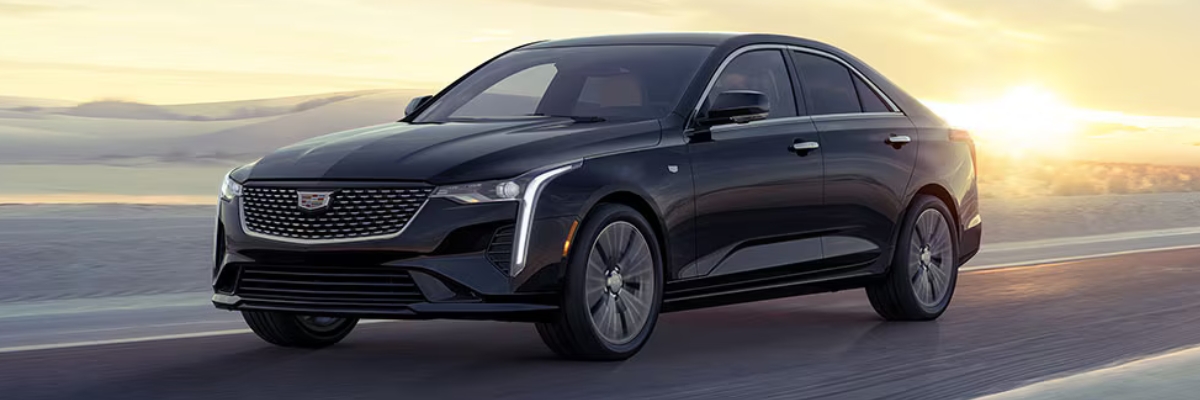
Used Cadillac CT4 Buying Guide
When it comes to one of the most recognizable vehicles on the market, the CT4 is at the top of the list. For those who want one, but don’t want to pay new car prices, a used one is the way to go. In this used Cadillac CT4 buying guide, we’ll go over some key areas that you can look for.
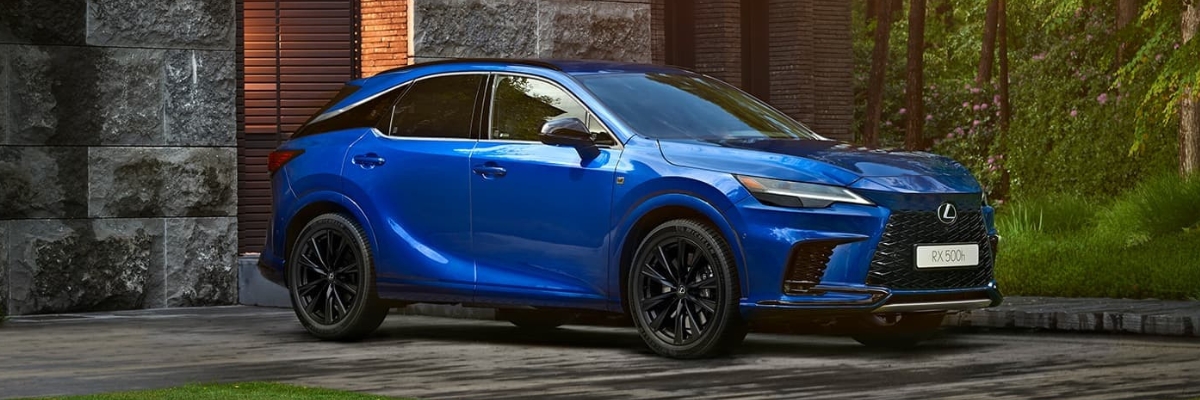
Used Lexus RX Buying Guide
When in the market for something that is a bit unique, a used Lexus RX is something to keep an eye out for. Both reliable, and comfortable, the RX offers a smooth ride, making it the perfect option for families who want something just a little bit finer. We’ll take a look at some of the generations over the years, to help make sure you get the model that is right for you.
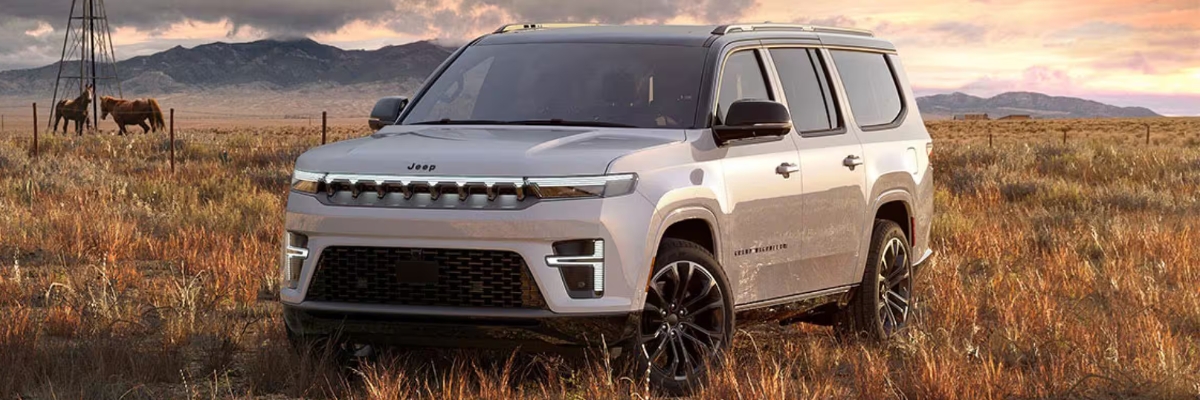
Used Jeep Grand Wagoneer Buying Guide
Want a Jeep, but needing something a bit more upscale, that’s where the Grand Wagoneer comes in. On the used market, this is one of the best luxury options you’ll find. In this article, we’ll take a look at what you can expect from this model over the years, so you know what to look for before you even step foot on a car lot.
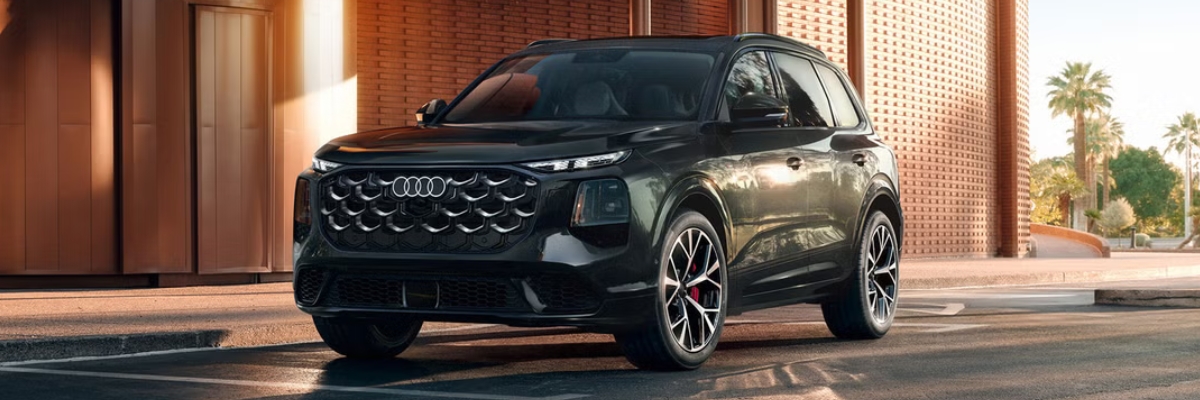
Used Audi Q7 Buying Guide
For those wanting a nice, family friendly vehicle that doesn’t break the bank, a used Audi Q7 is probably the best for you. Coming with comfort, and style, as well as safety, we’ll break down what makes this model the one to get.
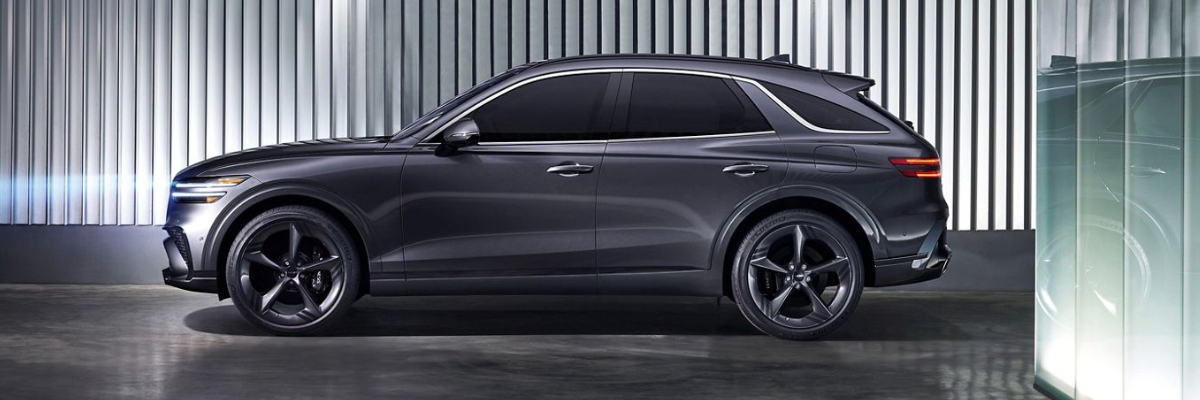
Used Genesis GV70 Buying Guide
The Genesis GV70 is one of Genesis’ finer exports. In this used Genesis GV70 buying guide, we’ll be going over an in-depth review of the used GV70 market, including anticipated reliability figures for this luxury SUV to help you build a checklist of what to expect out of your Genesis shopping experience.
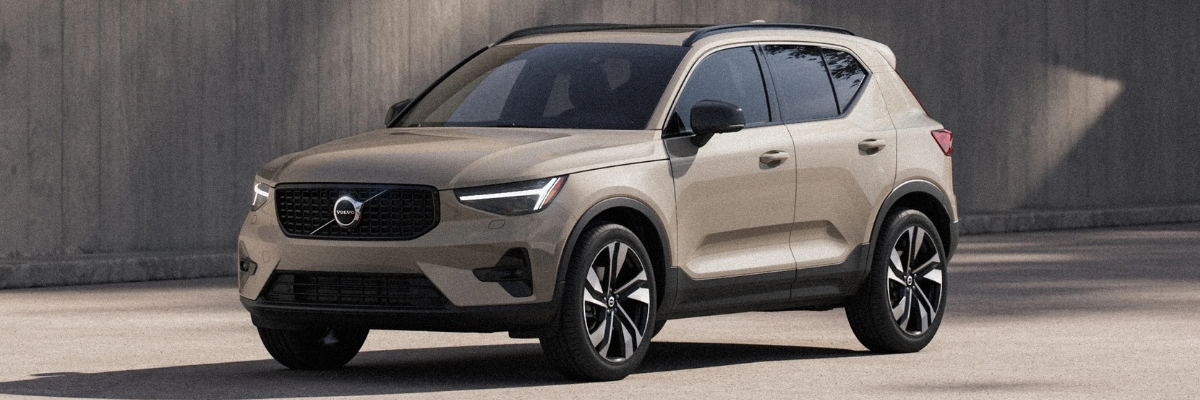
Used Volvo XC40 Buying Guide
The Volvo XC40 is Volvo’s Compact SUV. In this used Volvo XC40 buying guide, we’ll be exploring the latest developments in XC40 reliability as we go over everything you can expect from the market for this compact luxury SUV, aiming to help you on your journey by giving you key Volvo ownership considerations when buying this Compact SUV to make the most out of your purchase.
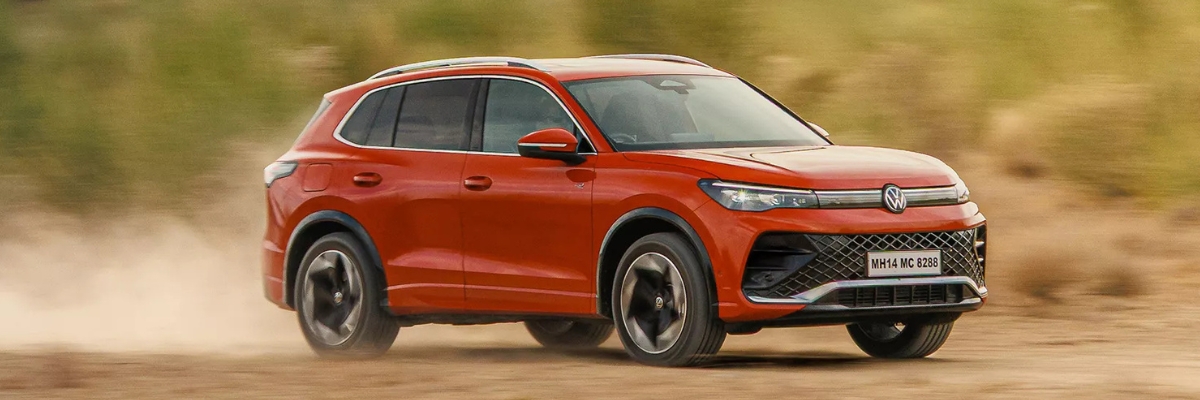
Used Volkswagen Tiguan Buying Guide
The Volkswagen Tiguan is a reliable option in the used compact SUV class, with Volkswagen’s reliability and consistency in the class being a In this used Tiguan guide, we’ll be exploring the world of Volkswagen SUV reliability by building a compact SUV inspection checklist, giving you the context for the world of turbocharged crossover ownership.
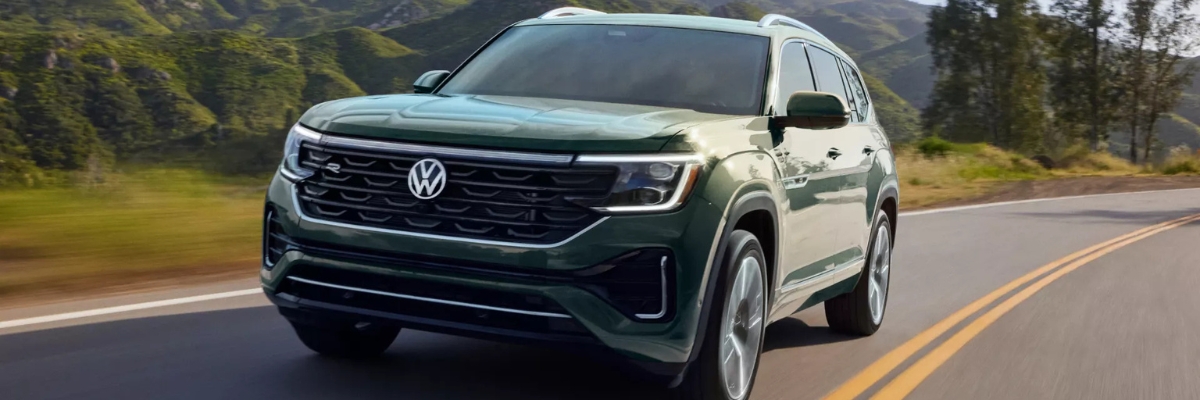
Used Volkswagen Atlas Buying Guide
The Atlas is Volkswagen’s 3-row SUV, being a strong role model for reliability and consistency in the class. In this used Volkswagen Atlas buying guide, we’ll be exploring everything there is to know in the world of Atlas reliability, as we discuss what to expect out of VW SUV ownership and help you build a three-row SUV checklist for the 2026 model year.
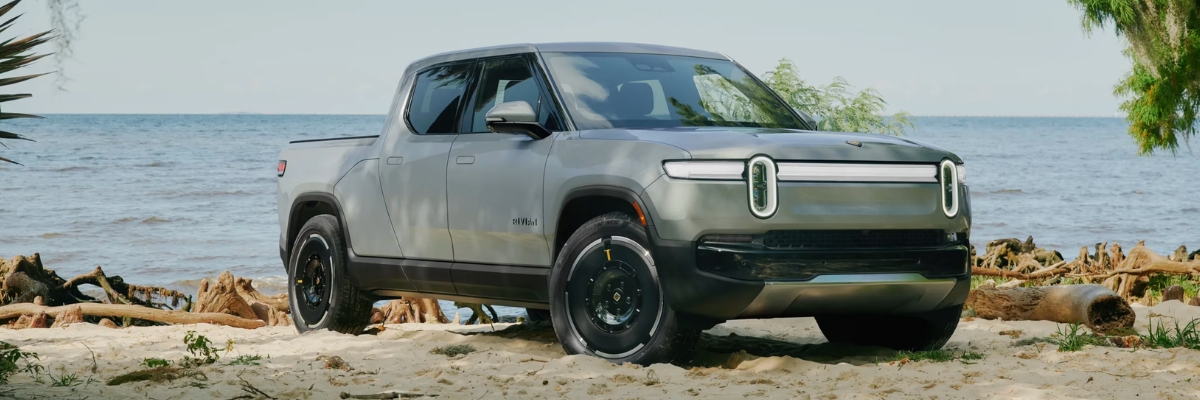
Used Rivian R1T Buying Guide
The Rivian R1T is a standout in the Eletruck segment, with its rollout being well received amongst enthusiasts in this budding class. In this used Rivian R1T buying guide, we’ll be going over what you can expect from the used Rivian R1T, including battery health and more, as we give you the guide to electric truck ownership.
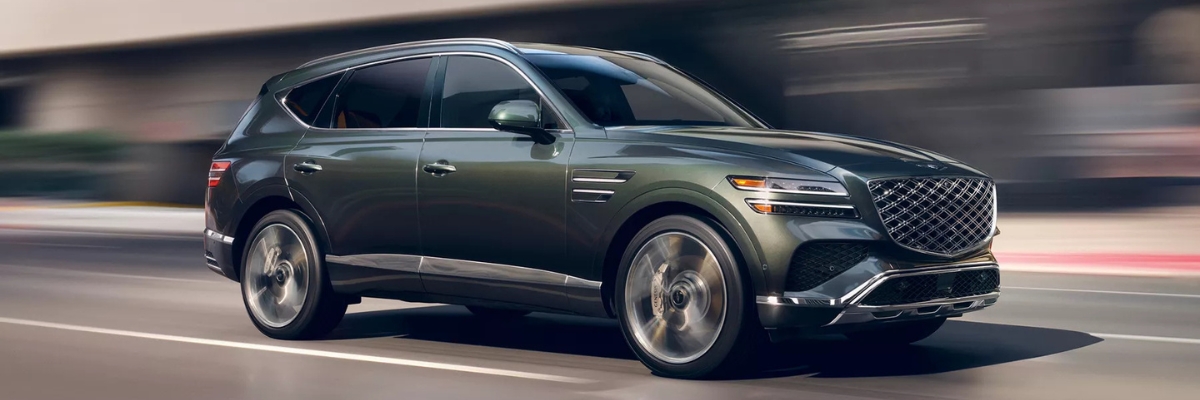
Used Genesis GV80 Buying Guide
The Genesis GV80 is Genesis’ best model from a pricing perspective, and used models show that the world of luxury SUVs doesn't need to be as daunting as it may seem. In today’s used Genesis GV80 buying guide, we’ll be breaking down the world of GV80 reliability as we go into the ins and outs of luxury SUV ownership, helping you build your own used premium SUV checklist.
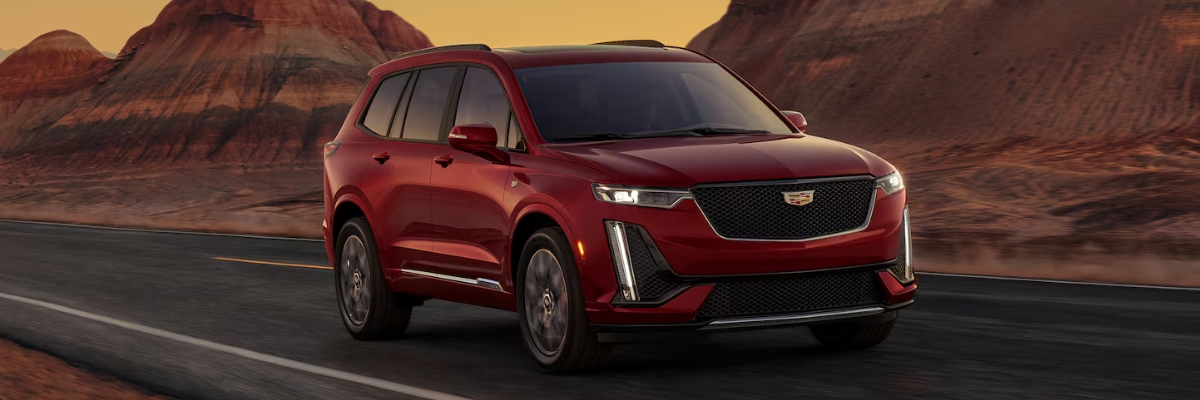
Used Cadillac XT6 Buying Guide
The Cadillac XT6 is a solid luxury option for those looking to get their hands on an upscale SUV that won’t break the bank, though, as with any used luxury car, one needs to use a discerning eye when shopping to get the most out of their purchase and avoid costly trips to the mechanic. Luckily, in this used Cadillac XT6 buying guide, we’ll be exploring the world of XT6 reliability as we give you the rundown on this luxury three-row SUV and get down to exploring the world of Cadillac ownership co
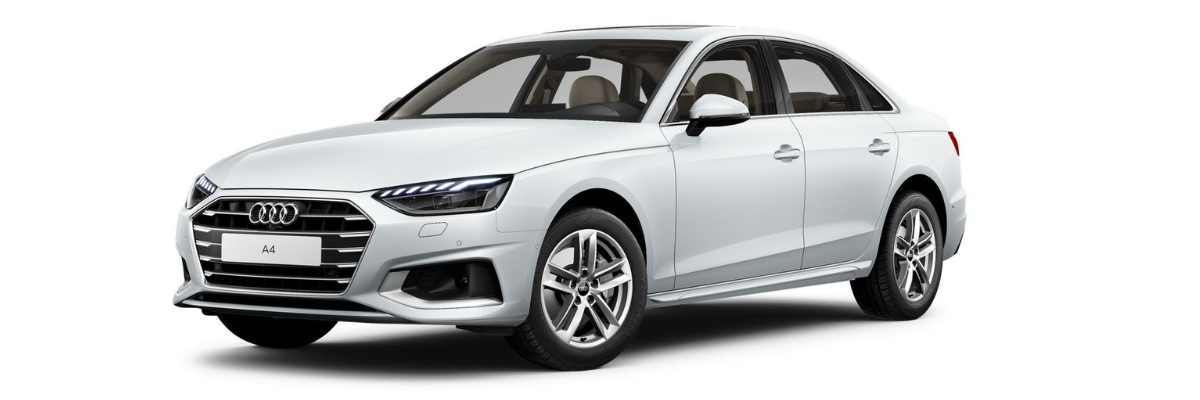
Used Audi A4 Buying Guide
When it comes to luxury vehicles, Audi is at the top of most people’s list to pick from. When you see those 4 rings, you know you’re in for a treat, and a used A4 compact executive car honors that. Much more than just a sedan, this one brings comfort, and looks. If that sounds like something that you want, then this article is for you.
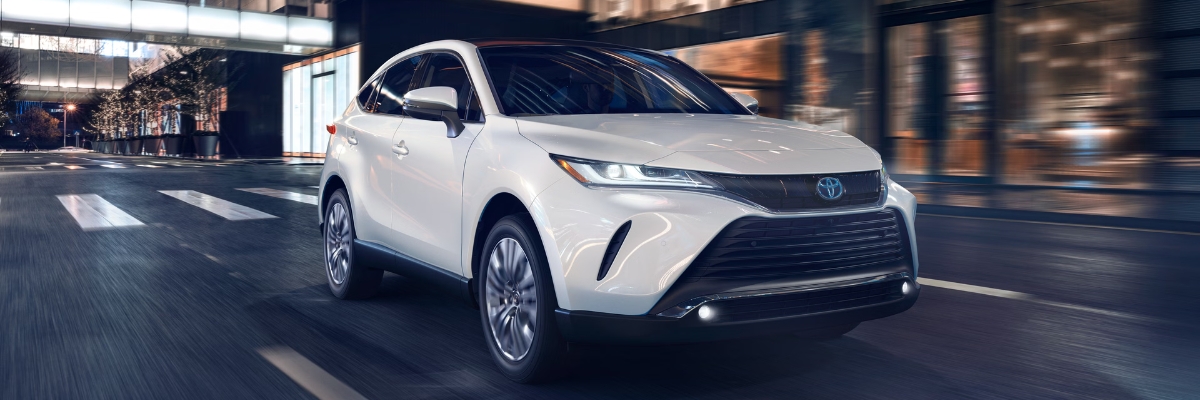
Used Toyota Venza Buying Guide
For those who want something larger, but don’t want huge, then the Venza is an attractive option. This is because this crossover SUV is still a 5 seater, but focuses on comfort, rather than just capacity. If you’re looking for a model that focuses on everyday practicality, while still being a bit more refined than most, this is for you.
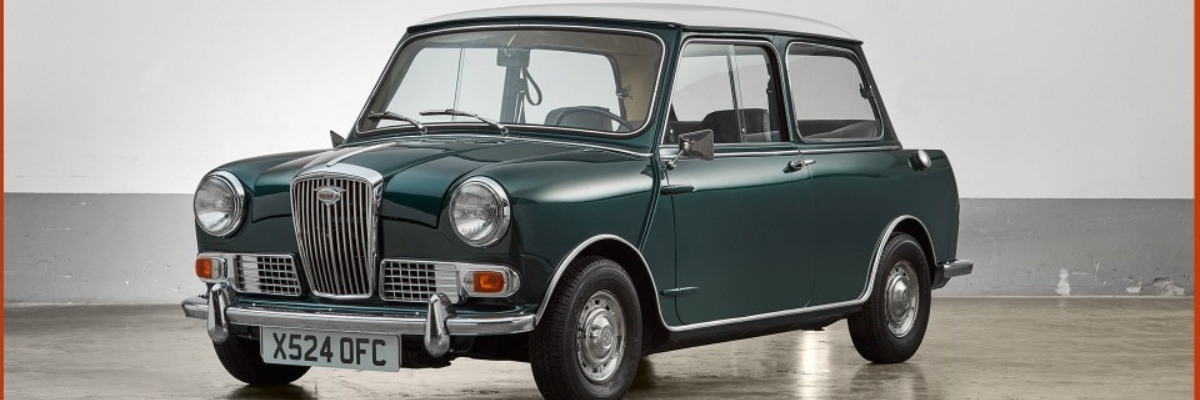
Used MINI Clubman Buying Guide
When it comes to international cars that have found their way into the US market, it doesn’t get much more iconic than a Mini Cooper Clubman. If you’re someone who enjoys something a bit more “proper”, then this may be the model for you. We’ll take a look at what makes this model a standout throughout the year, both at home, and across the pond.
Used Infiniti QX50 Buying Guide
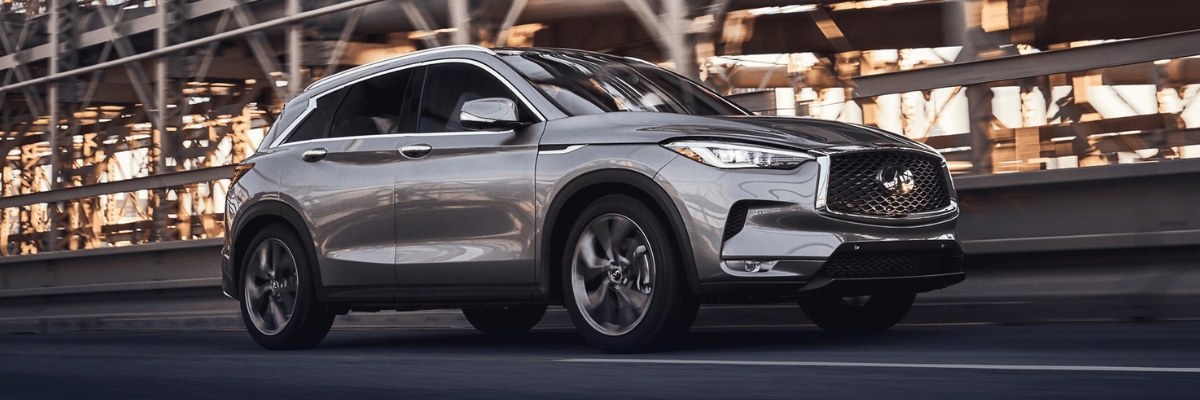
Shopping for a used Infiniti QX50 is a great way to get into a luxury SUV that focuses on comfort and everyday usability. If you want something that handles daily driving with ease while still giving you that premium feel, the QX50 is one of the best options on the market, and if you find one at a low enough price, it’ll be hard to beat.
Used Infiniti Q50 Buying Guide
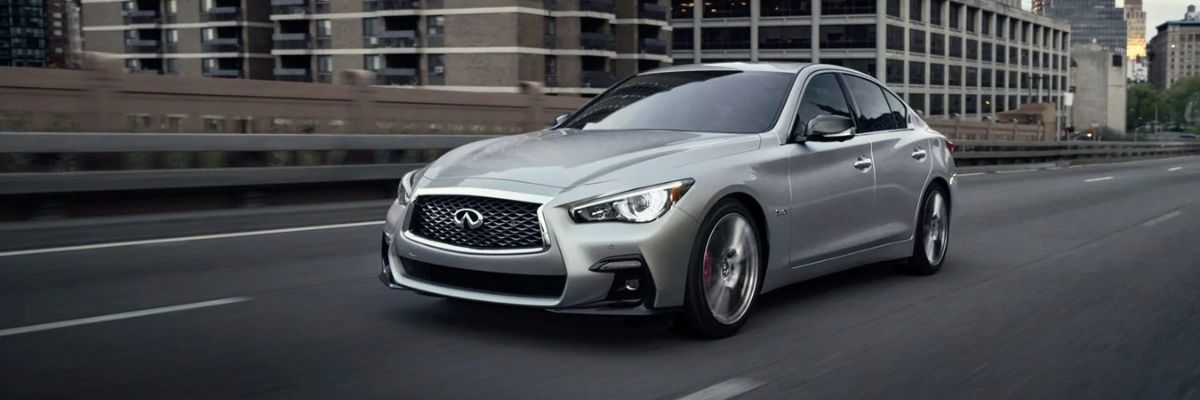
If you’re wanting a sportier sedan, but don’t want something uncomfortable, then a used Infiniti Q50 is something you want to keep an eye out for. Blending style, and performance, there isn’t much else you can ask for. We’ll break down the changes that you can look for in this Infiniti Q50 used review so you know what to expect.
Used Honda Ridgeline Buying Guide
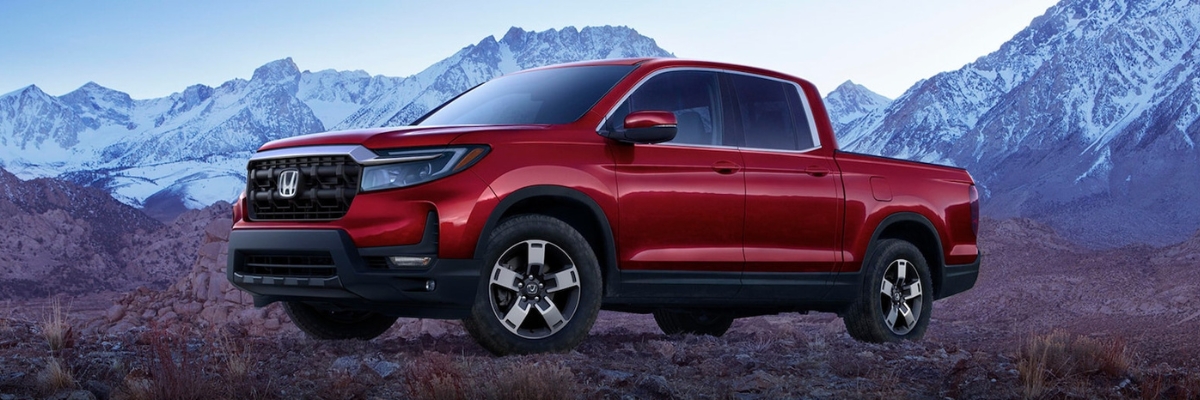
When it comes to needing a good used truck, the Honda Ridgeline is a dark horse in the segment. While not as in your face as other models, if you’re someone who wants car‑like comfort, everyday usability, and surprising capability, then it’s hard to deny this model. Able to conquer the jobsite, as well as family road trips, making this a jack of all trades. We’ll break down how this model has changed over the years so you know what to look for.
Used Genesis G90 Buying Guide
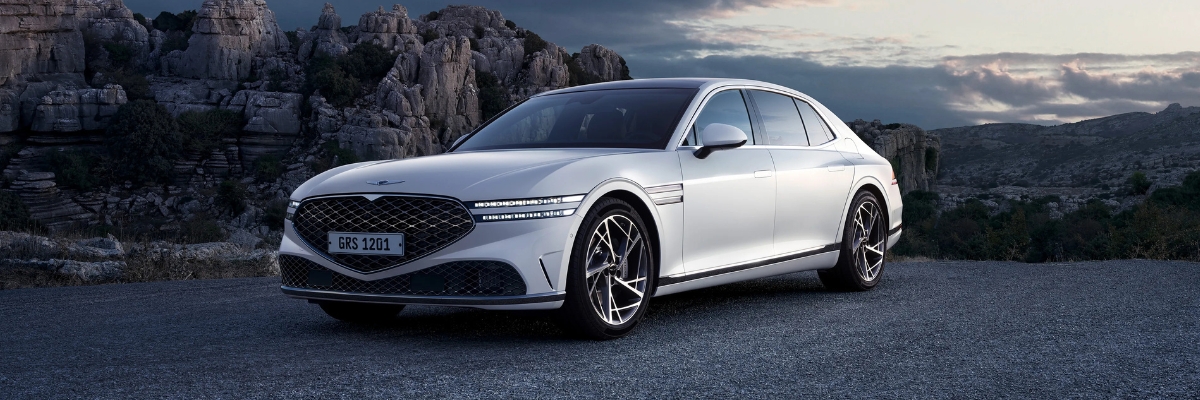
When it comes to everyday luxury, the Genesis G90 reigns supreme. This is because it comes with some nice comfort, but doesn’t lean too far into a luxury sedan price tag. With more than a decade on the market, it may be a bit confusing at first to pick what you want, and that’s where we want to help. We’ll break down what you can expect from this comfortable vehicle.
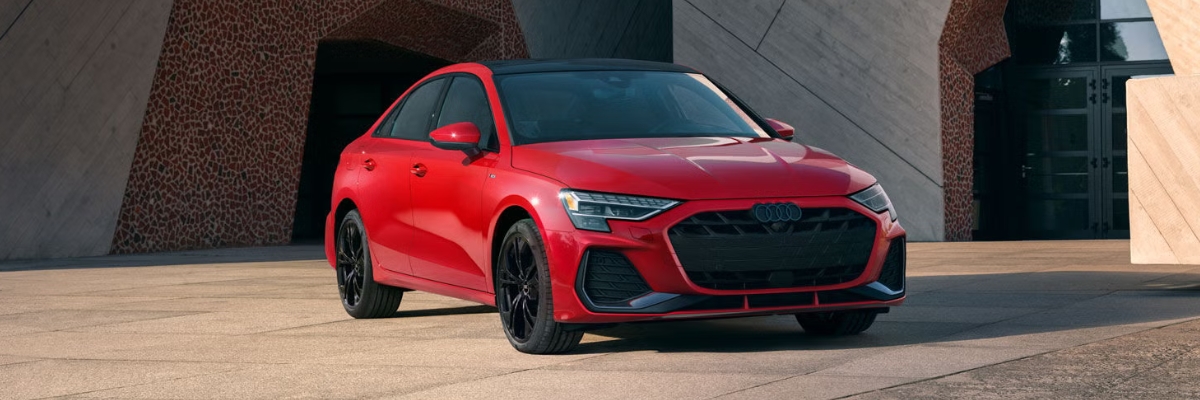
Used Audi A3 Buying Guide
A used Audi A3 is a great way to get your foot into the luxury door, without paying luxury prices. Coming with a sleek look, a comfortable interior, and nice performance to go with, you’ll be hard pressed to find something that is better. We’ll take a look at some of the generations, as well as year models that you are likely to find so you know what to expect from this premium compact car.
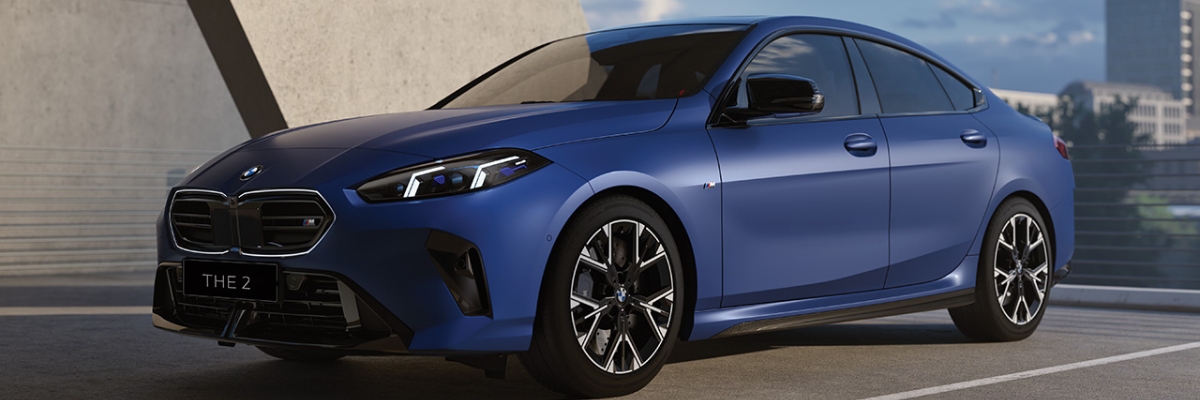
Used BMW 2 Series Buying Guide
When it comes to the BMW 2 Series, there’s really nothing like it on the market. Coming with a few different builds, it may be a bit confusing to determine which model is right for you. That’s where we come in. We’ll break down what makes each model unique, and which year models you should opt for to get the one that suits you best. Here is what to look for in a used 2 Series.
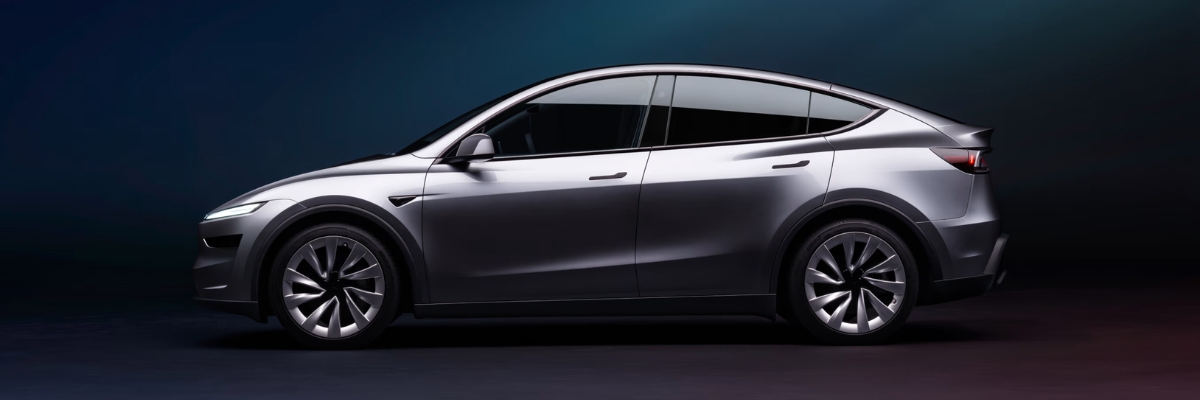
Used Tesla Model Y Buying Guide
Tesla is one of the most exciting brand names on the market. Often known for their looks, reliability, and speed. With a few years on the market, it can be a bit confusing which year model is right for you. We’ll take a look at the changes and the features that you expect throughout the year so that you know which one you should be on the hunt for.
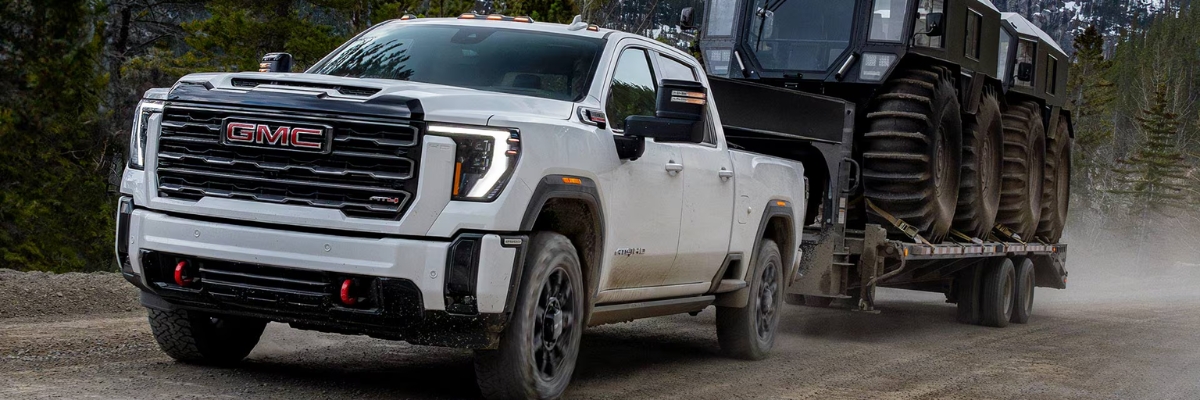
Used GMC 3500HD Buying Guide
The Sierra 3500 HD is one of the best work trucks on the market. This is thanks to its features, raw power, and looks. If this sounds like something you’d like, then a used model might be for you. You’ll get some of the best features for a price that is more agreeable than a new model. We’ll go over which is the best year for a used GMC 3500HD.
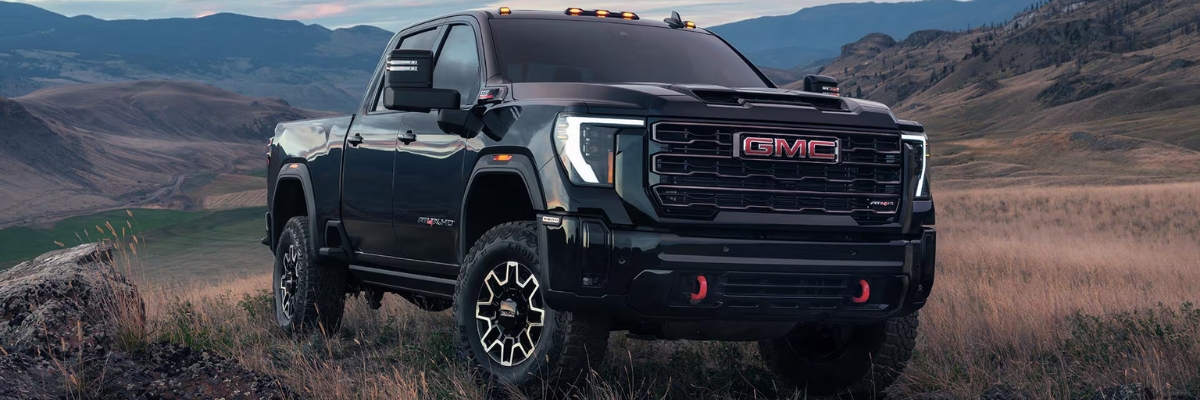
Used GMC 2500HD Buying Guide
If you’re someone needing something that can do heavy-duty things, but don’t want a truck that feels boring, then the GMC 2500HD might be just what you need. We’ll take a look at some of the most desired features, as well as some of the changes that the model has seen throughout the year, making sure you get what you’re looking for.
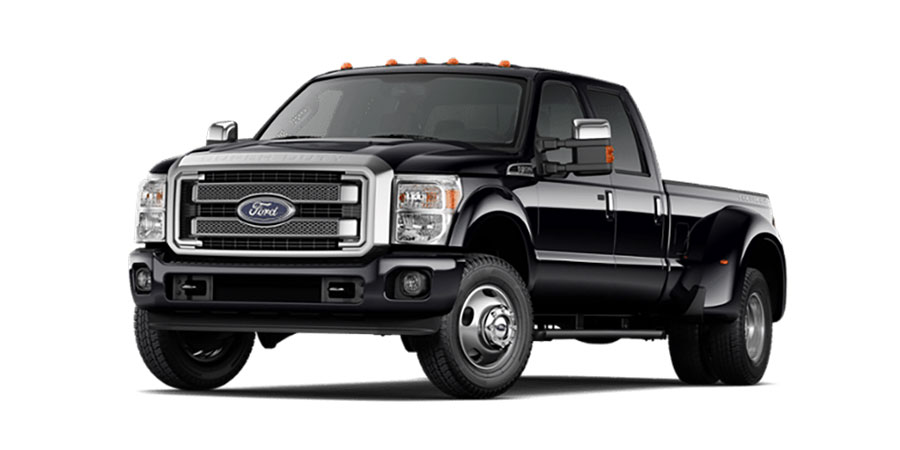
Used Ford F-350 Buying Guide
When it comes to the heavy-duty pickup market, there’s one model that people know by heart, and that’s the F-350. This model is used by everyone, ranging from mega corporations to weekend handymen looking for a quick job. If you’re on the fence about getting one, we’ll cover what you can look for in the more recent generations, so you know what you can expect before you set foot on the lot.
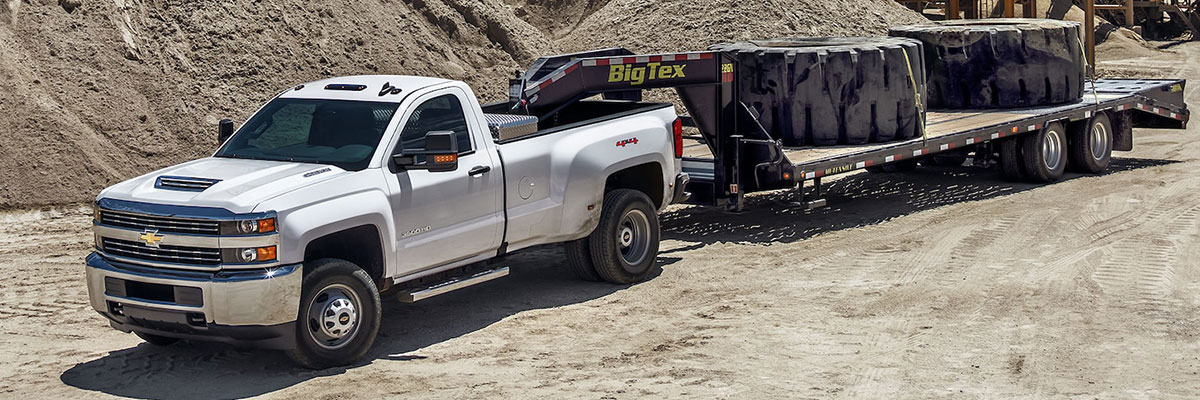
Used Chevy 3500HD Buying Guide
While the smaller brother hit the roads in the year before, 2020 marked the start of the HD lineup, and more specifically, the 3500. When this generation debuted, it brought a monster towing capacity. According to Motor Trend, this behemoth can tow up to 35,500 pounds when properly equipped.
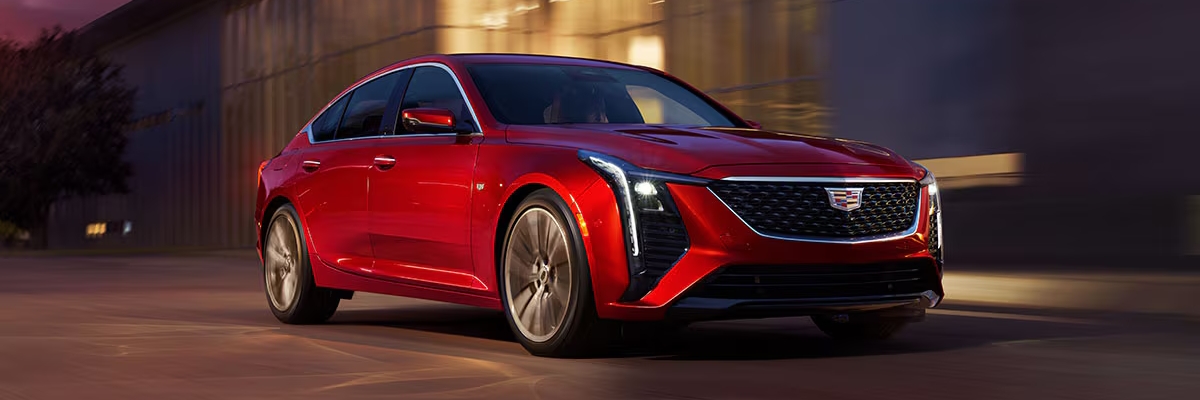
Used Cadillac CT5 Buying Guide
The CT5 is Cadillac’s answer to a modern luxury sedan. It blends comfort, performance, and top-of-the-line features. But with a few engines, trims, and different model years, there are some things to keep in mind. We’ll be breaking them down to see which is the best model for you.
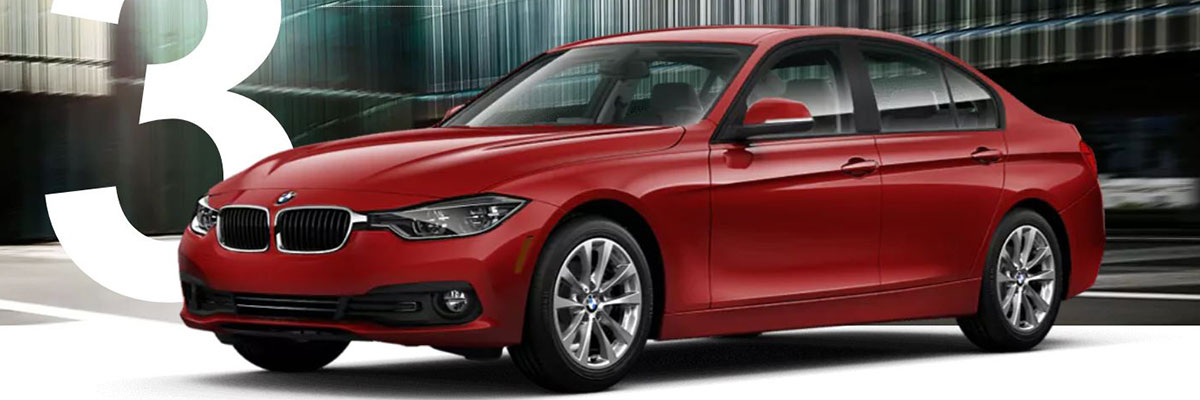
Used BMW 3 Series Buying Guide
When it comes to sports sedans, the BMW 3 Series has long been the benchmark. Having been around for 5 decades, this model has seen its share of changes, making it easy to find, but a bit harder to differentiate what model does what. That’s where we want to help; we’ll cover what you can expect from each generation, as well as year models within them.
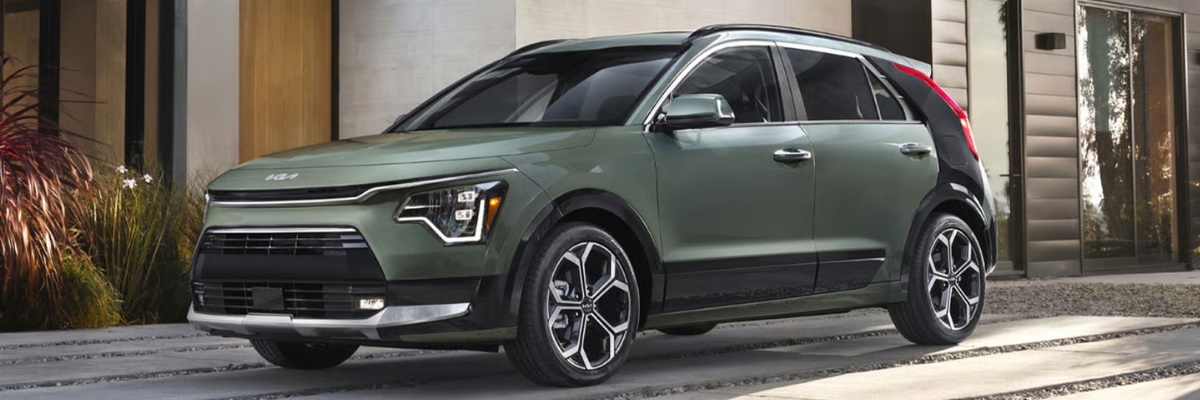
Used Kia Niro Buying Guide
A used Kia Niro is one of the best options for drivers who want something a bit more friendly to the environment, and to their wallet. Coming with a unique look, this is the best option for those who want something that stands out. With two generations to pick from, we’ll break down what you can expect from this model.
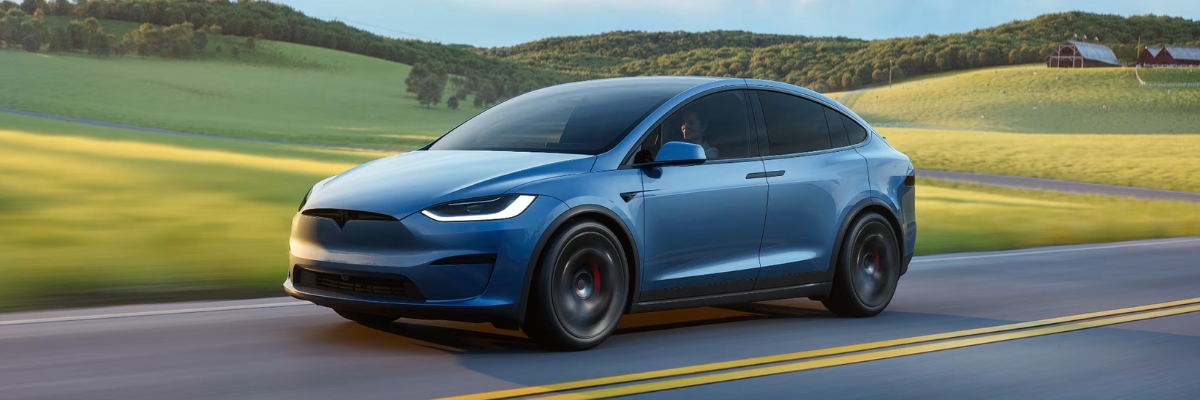
Used Tesla Model X Buying Guide
If you’re in the market for a used Tesla Model X, but don’t want to buy one new thanks to the steep price, a used Model X will be your best option. Given the nature of the vehicle, even older models are being upgraded with over-the-air updates, making it so that even a used model feels “new”. In this article, we’ll take a look at what to look for when buying a used Model X.
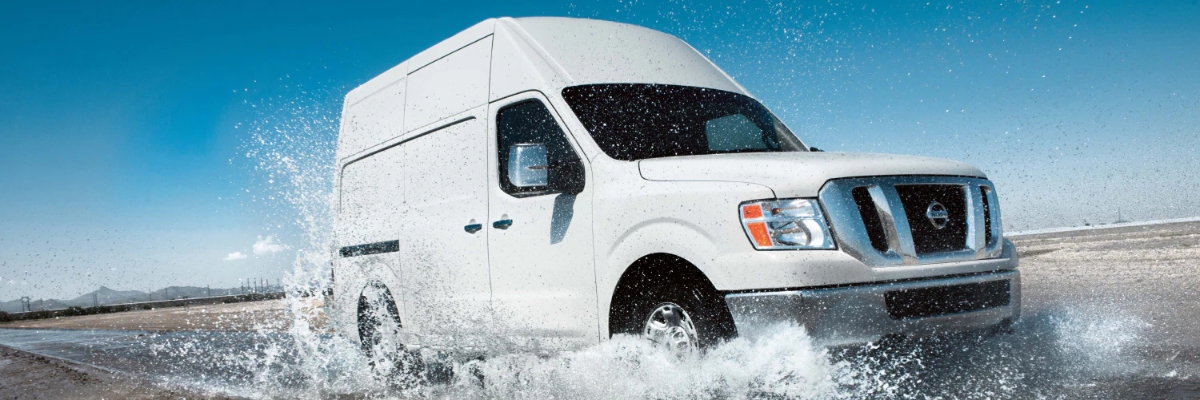
Used Nissan NV Cargo Van Buying Guide
When needing a used cargo van, there are a few options that most people come across. The one that we’ll be covering is the Nissan NV. While no longer being made, you’ll be able to find them on used lots. Where this model stands out is that it has the same reliability as a Nissan, but with a bit more utility. We’ll take a look at the models over the years so you know what you can expect.
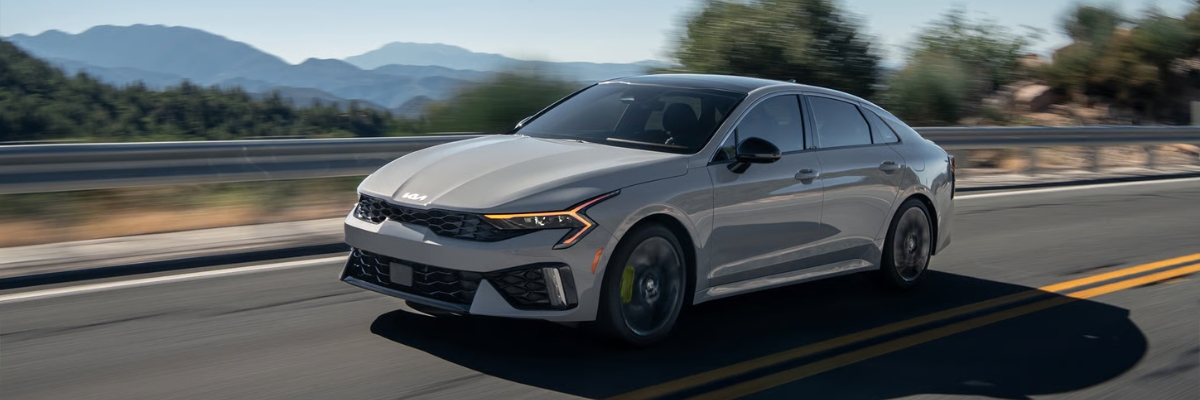
Used Kia K5 Buying Guide
For those seeking a reliable, stylish, and fun option, the K5 is hard to beat. Coming with athletic handling, modern tech, and a comfortable cabin, the K5 appeals to drivers who want more than just basic transportation. Buying a used Kia K5 is a smart way to get those features without paying full price for a new model, but before you do, there are a few things you need to know about. We’ll cover how this model has changed over the years, so you get what you want.
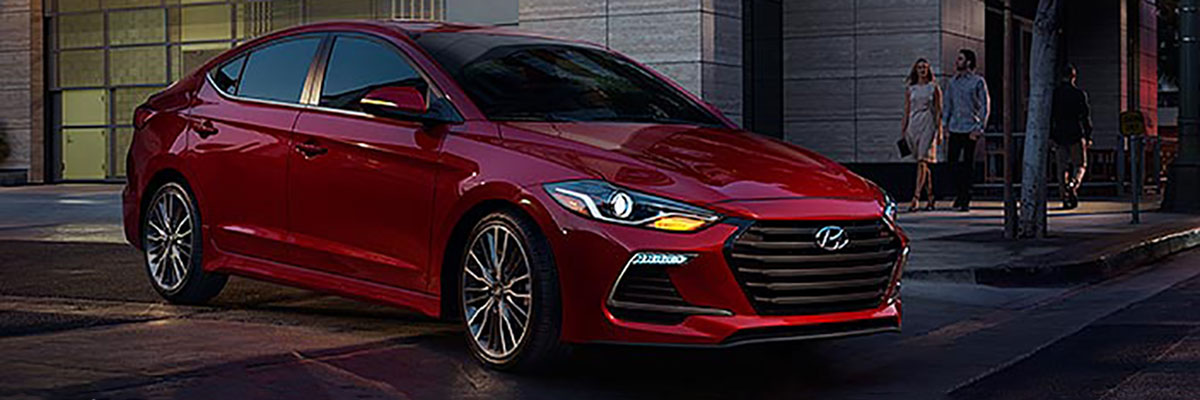
Used Hyundai Elantra Buying Guide
If you want a good used vehicle, the Elantra is one of the best ones to get. It’s reliable, comfortable, has great fuel economy, and above all else, is safe. We’ll be taking a look at some of the changes that the model has seen over the years to make sure you get the best one possible.
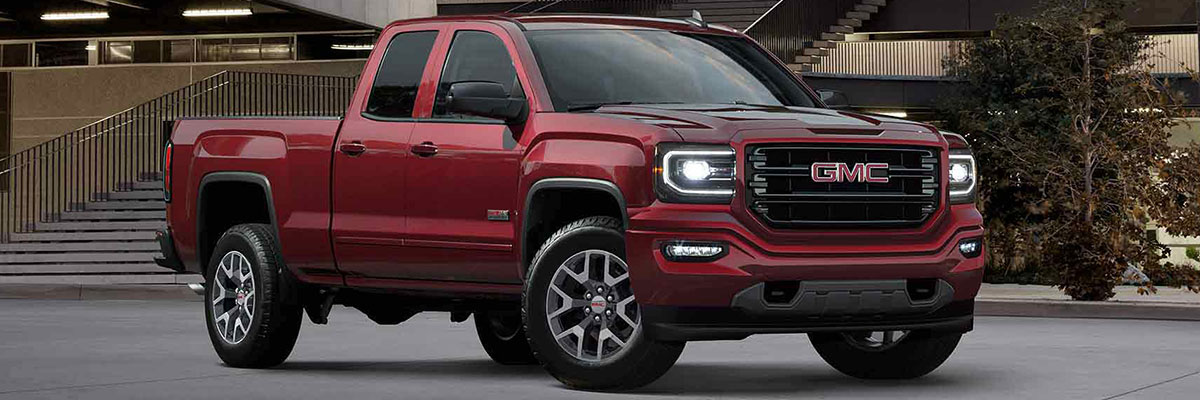
Used GMC 1500 Buying Guide
For someone needing something rugged, strong, and dependable, you won’t find much better than a used GMC 1500. Being one of the more unique models on the market, you’ll be riding in style while still getting work done. With a few generations to pick from, we’ll take a look at some more recent ones and what you can expect from the year models in them.
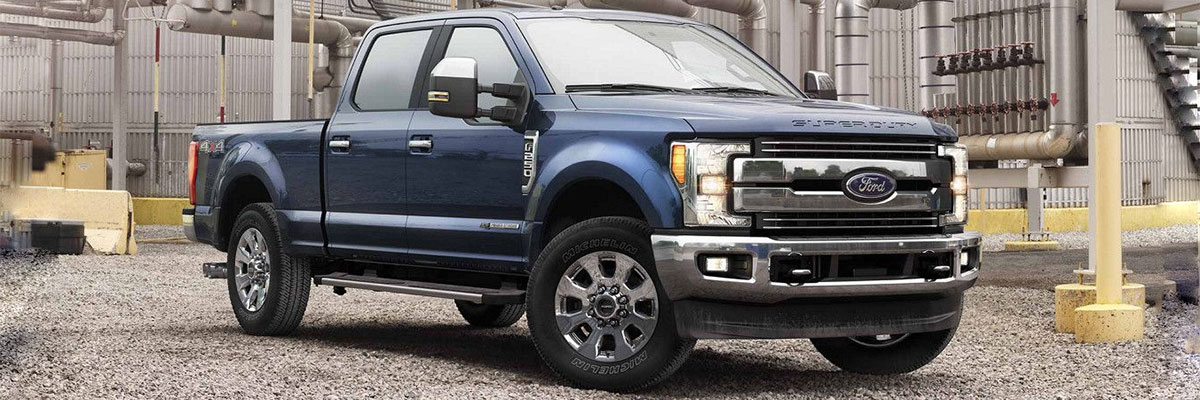
Used Ford F-250 Buying Guide
For those who want something that can get work done without needing to spend a ton on a new model, a used Ford F-250 is probably one of the best options for you. With a few generations, as well as year models to pick from, there are smaller changes to look for.
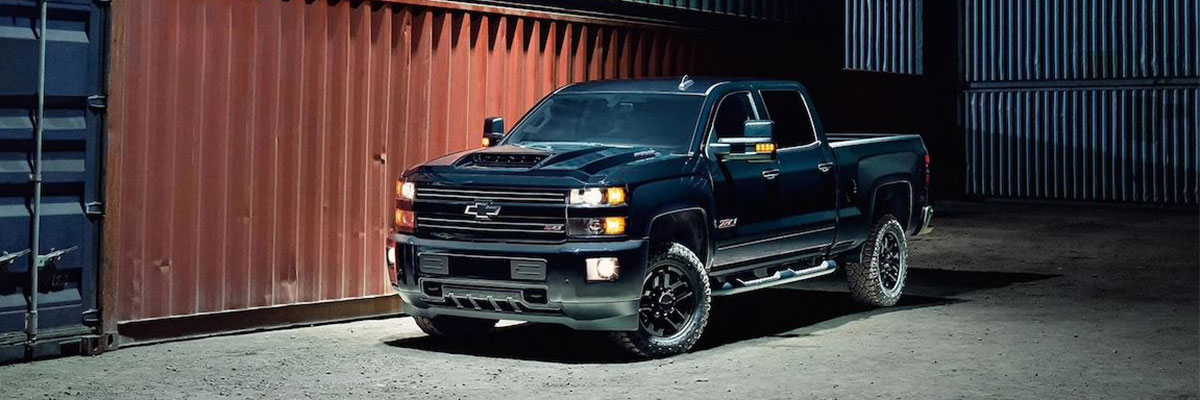
Used Chevy 2500HD Buying Guide
When it comes to heavy-duty trucks, there are a few on the market to pick from. While other models used their looks or name to entice drivers, the Silverado 2500HD does it by showing how much work it can do. With the used market full of models to pick from, we’ll take a closer look at the 2500HD so you know what you can expect. This is your comprehensive used Chevy 2500HD buying guide.
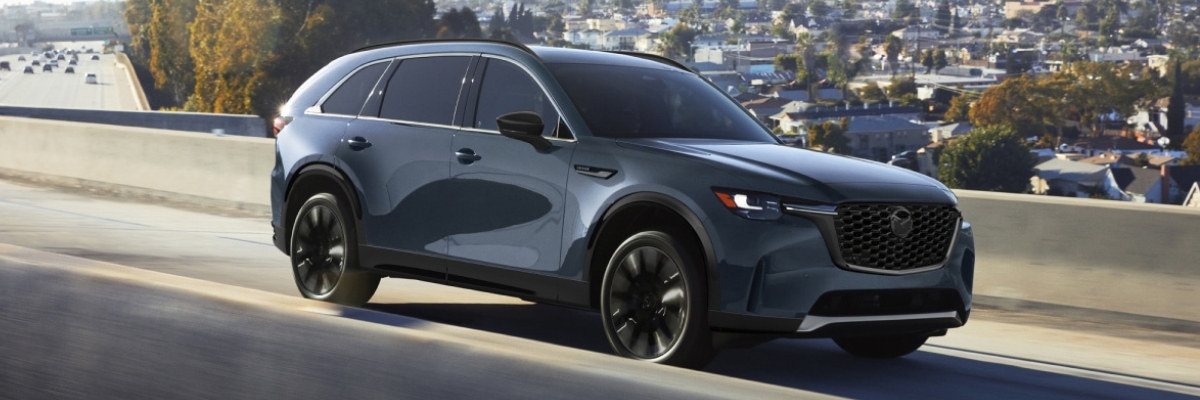
Used Mazda CX-90
A used Mazda CX-90 is probably one of the best options for those who want a newer vehicle, but don’t want to spend new vehicle money. This is because it hit the market within the past few years, and with it came some of the best features around for both you, and your family. If you’re someone who wants a safe option, while still remaining stylish, then look no further.
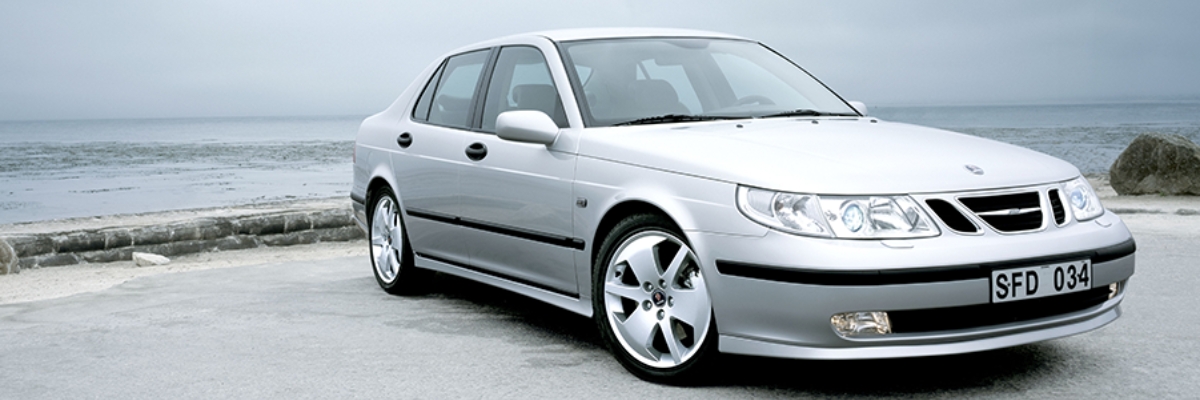
Used Saab Car Breakdown
When it comes to unique cars on North American roads, here at Jarrett, we know a thing or two. Used Saab cars offer a blend of performance, style, as well as affordability. Being that the brand went under, these used models are a treat to those who find one. We’ll break down some popular models so you know what to expect if you find yourself looking at one.
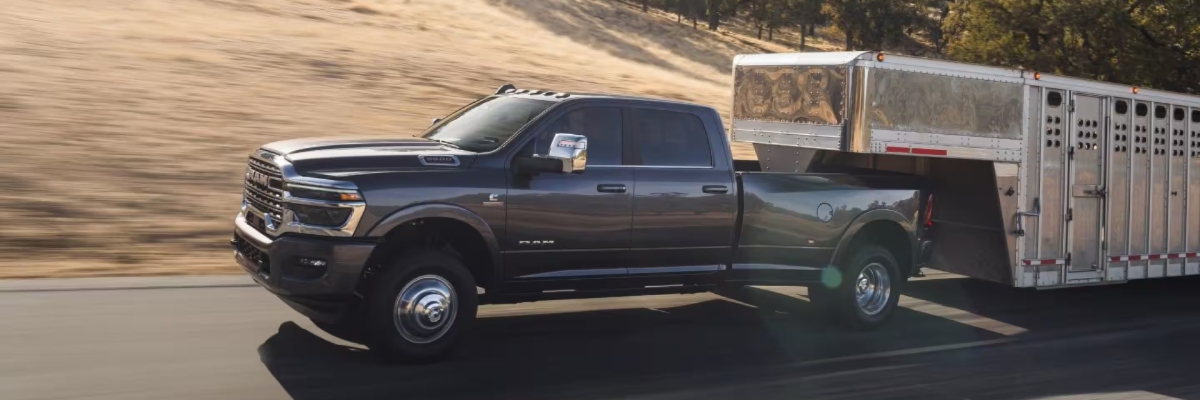
Used Ram 3500 Buying Guide
For those who need to get some major work done, the 3500 is the way to go. This is because it has some of the best towing capabilities, as well as some pretty decent comfort. Having been on the market for some time, there’s some things that you need to know before you hit the lot, letting you get a model built for work, without being barebones.
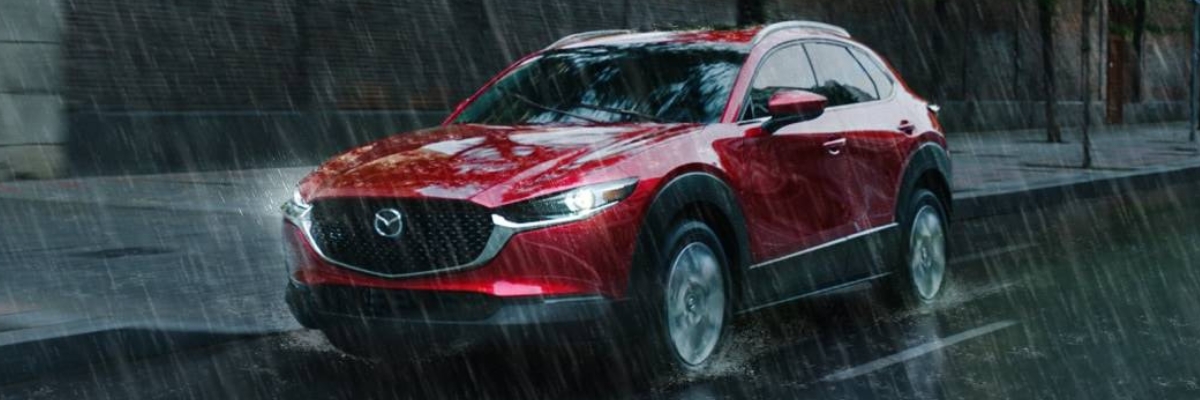
Used Mazda SUV Breakdown
When it comes to used Mazda SUVs, there’s a ton to pick from. Ranging from both two, and three row options, there’s bound to be something that catches your attention. Given that there’s so many options, it can be a bit confusing, but we’ll break down where each model excels so you have an easier time at the lot. Here is how to choose the right used Mazda SUV.
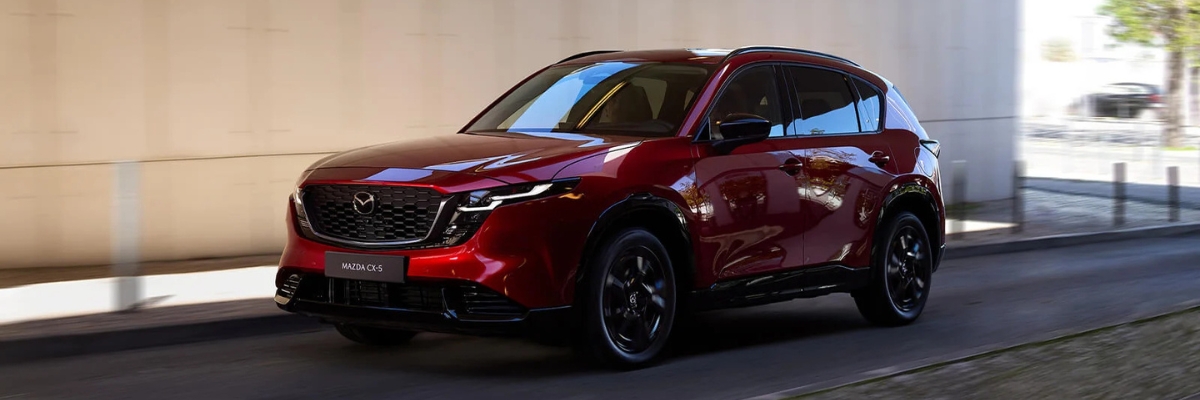
Used Mazda CX-5 Buying Guide
A used Mazda CX-5 sits at the crossroads of affordability, features, and style. If that sounds like your thing, then this article is for you. Being that it has been around for a little more than a decade, there’s a good chance that you’ll find some great pre-owned models, and that’s where we want to help. We’ll break down some of the most desired features so that you can be confident in your next purchase.
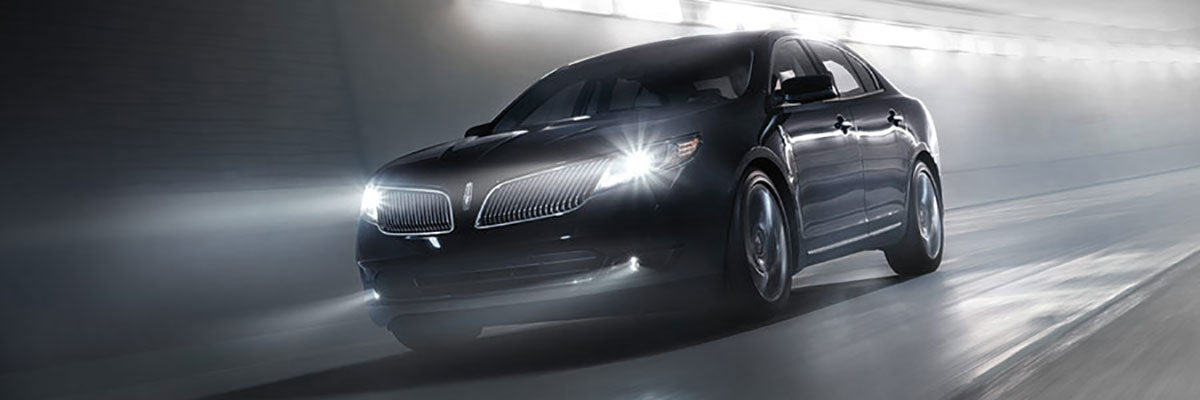
Used Lincoln MKS Buying Guide
When it comes to used luxury vehicles, there’s often one that flies under the radar, and that’s the Lincoln MKS. While it doesn’t get its flowers often, we’re here to tell you why it should be your next vehicle. We’ll break down the life of this model, and highlight which are some of the best years to look out for.
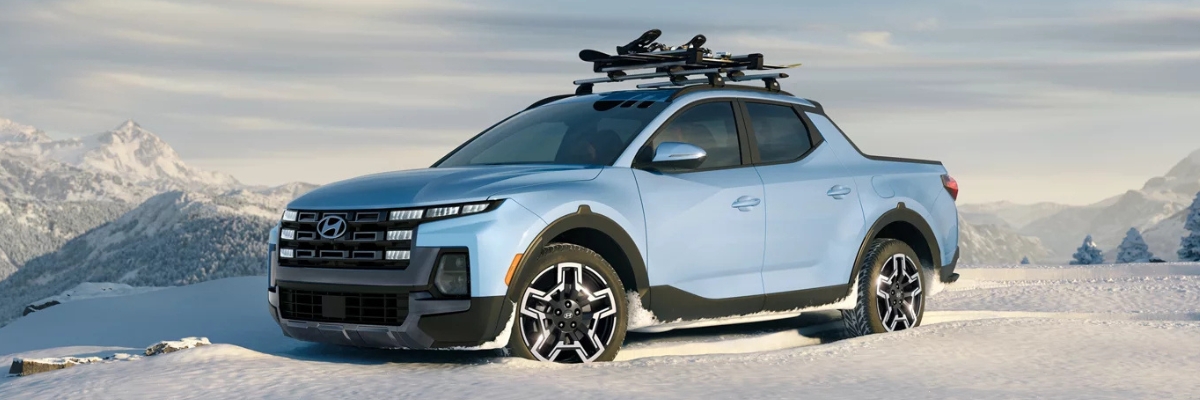
Used Hyundai Santa Cruz Buying Guide
One of the newest models on the market, a used Hyundai Santa Cruz is a great option for those who want a compact truck, but don’t want something that looks rugged. We’ll go over the changes that this model has seen in its short life so you know how it stacks up to other compact trucks on the market.
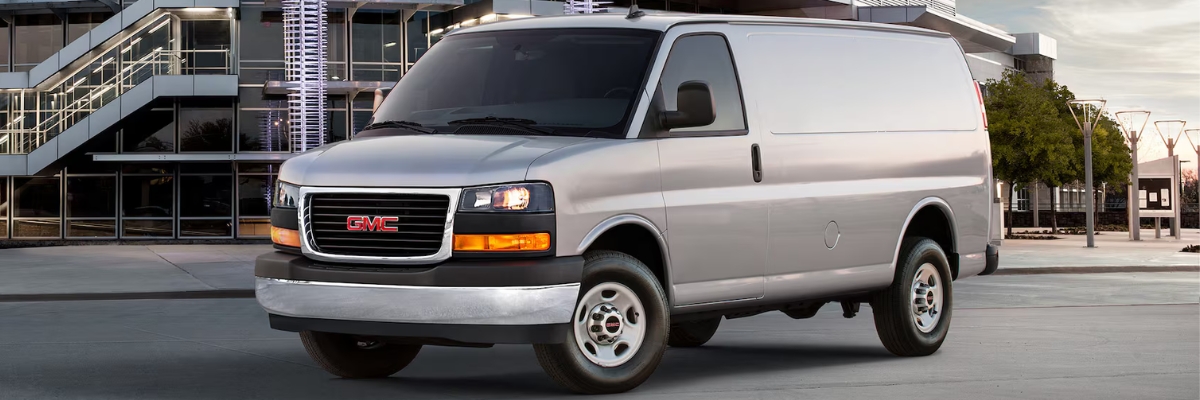
Used GMC Savana Cargo Van Buying Guide
A used GMC Savana Cargo is a great option for those who want something that can get work done, while still being nice to your bank account. Being that this model has been around for some time, there’s a few things that you’ll need to be aware of before you hit used lots. These are some things to consider about a used GMC Savana Cargo Van.
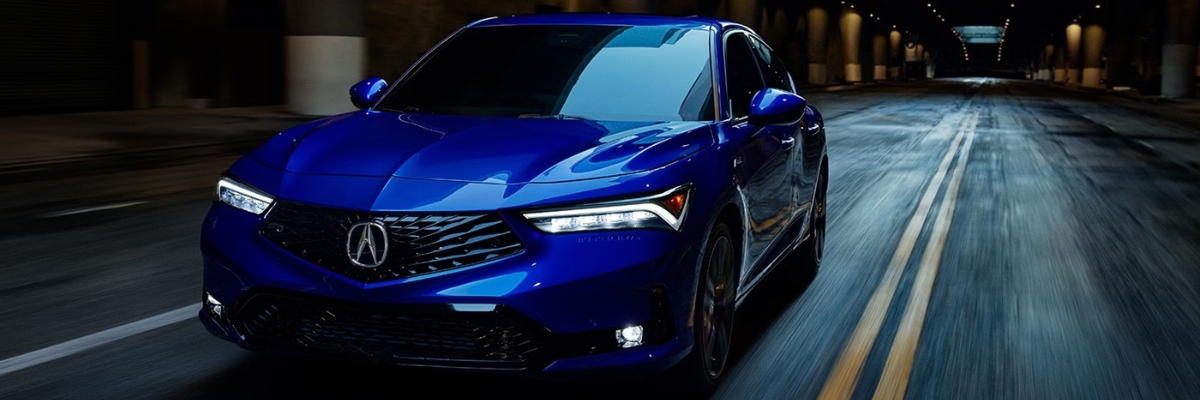
Used Acura Car Breakdown
Acura has built its name on reliability, premium comfort, and sharp driving dynamics, helping make it one of the most appealing vehicles on the used market. When looking at their car lineup, you'll find the ILX, the TLX, the RLX, and the Integra, and each brings a mix of luxury touches and long-term dependability. We'll take a look at which model will best suit your needs to figure out which one you should get.
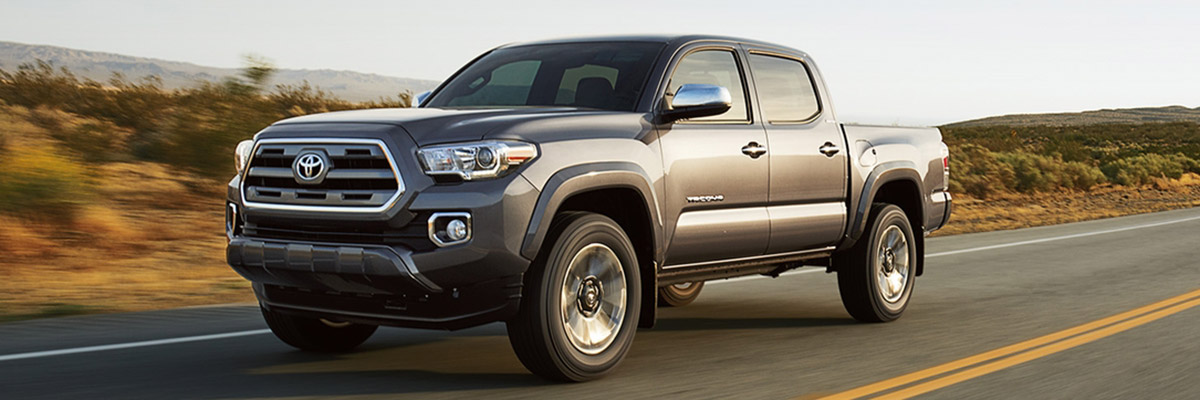
Used Toyota Truck Breakdown
Toyota has built a strong reputation for rugged, long-lasting pickups, and Toyota trucks on the used market are no different. Whether you're considering the midsize Tacoma or the full-size Tundra, Toyota trucks are known for durability, and dependable performance on- and off-road. Knowing the differences between these models and what to look for when shopping can help you choose the right used Toyota truck for your needs.
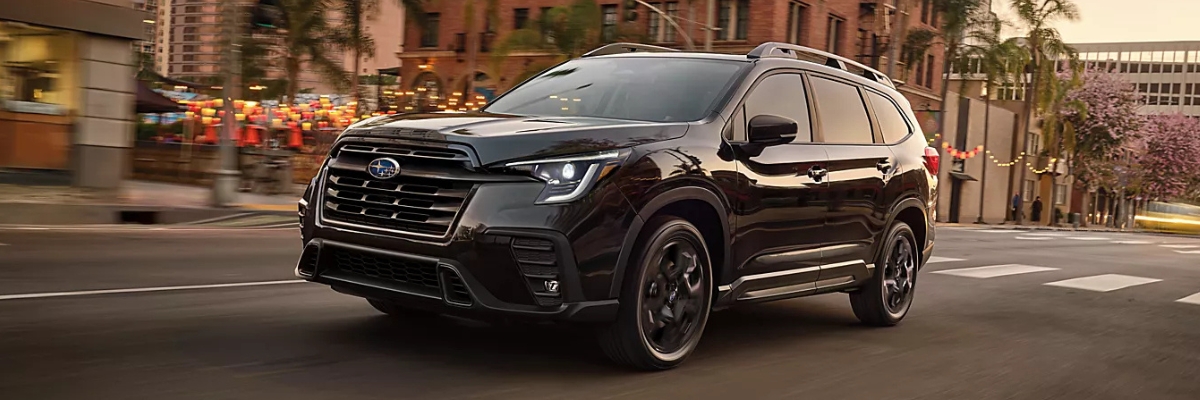
Used Subaru SUV Breakdown
Subaru SUVs have a reputation for being rugged and reliable, ranging from the adventure ready Crosstrek, the practical Forester, and the family-friendly Ascent, Subaru’s lineup offers something for everyone. Choosing a used Subaru SUV gives you confidence on the road while saving money without sacrificing reliability or performance.
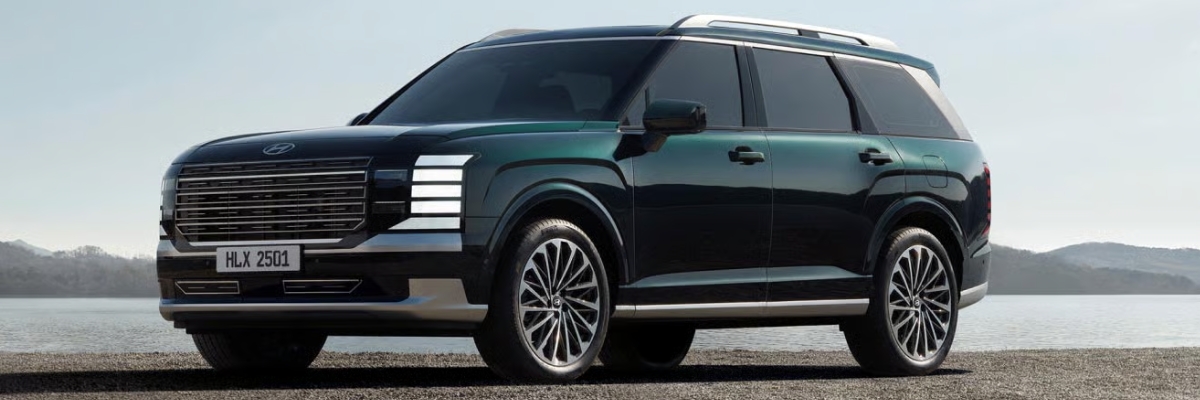
Used Hyundai SUV Breakdown
Hyundai SUVs have become a popular choice for buyers seeking practicality, style, and reliability at a reasonable price. From the compact Tucson to the mid-size Santa Fe and Palisade, these vehicles offer versatile seating, modern tech, and strong safety features.
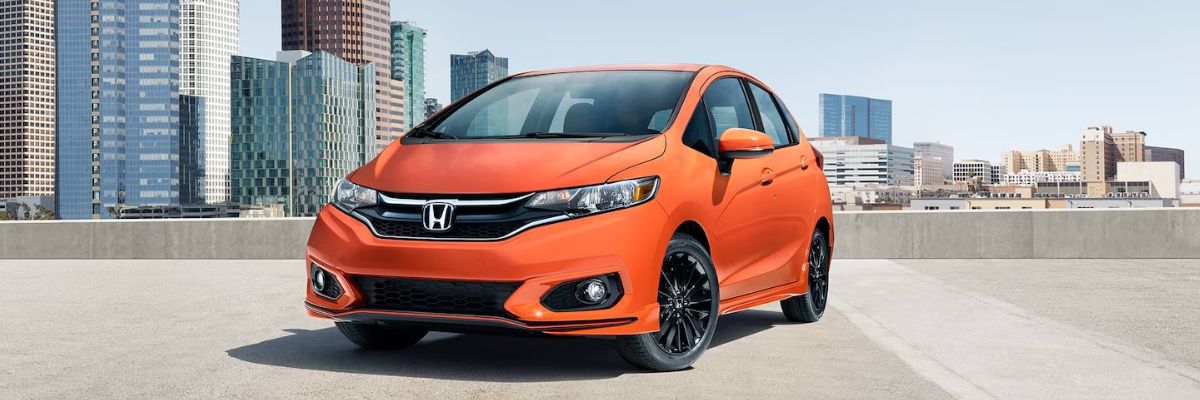
Used Honda Fit Buying Guide
When it comes to small vehicles, the Honda Fit is one of the better used models to get. This is because, while it is small, it is also somehow spacious, making it stand out from the pack. Being that this model has seen some changes over the years, we’ll break down what you can expect from them so you know exactly what to get for your needs.
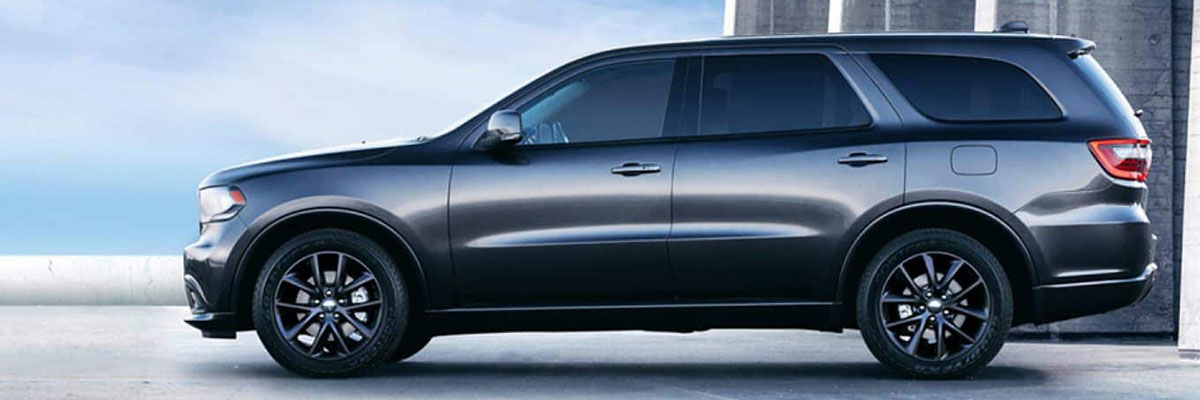
Used Dodge Durango Buying Guide
The Dodge Durango is a versatile SUV that combines three-row seating with strong performance and practical features. Known for its roomy interior, towing capacity, and tech options, it’s a favorite for families and adventure seekers alike. A used Dodge Durango offers a more approachable price, while still maintaining great features.
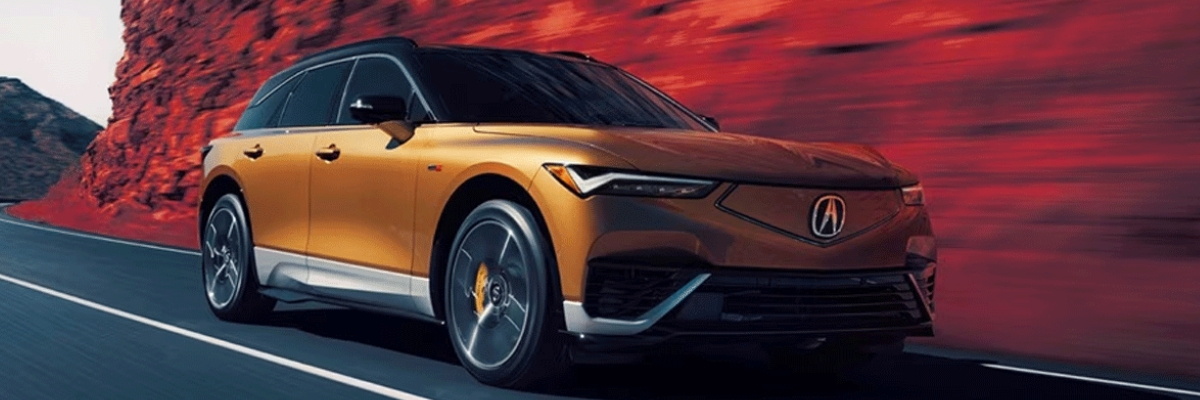
Used Acura ZDX Buying Guide
The Acura ZDX is one of the most unique vehicles Acura has ever made, blending coupe-like styling with SUV practicality and premium comfort. Even though it had a short life, the ZDX stands out for its smooth ride, upscale interior, and strong V6 performance. If you’re looking at a used Acura ZDX, knowing what features and model years offer the best value can help you make a confident and informed choice.
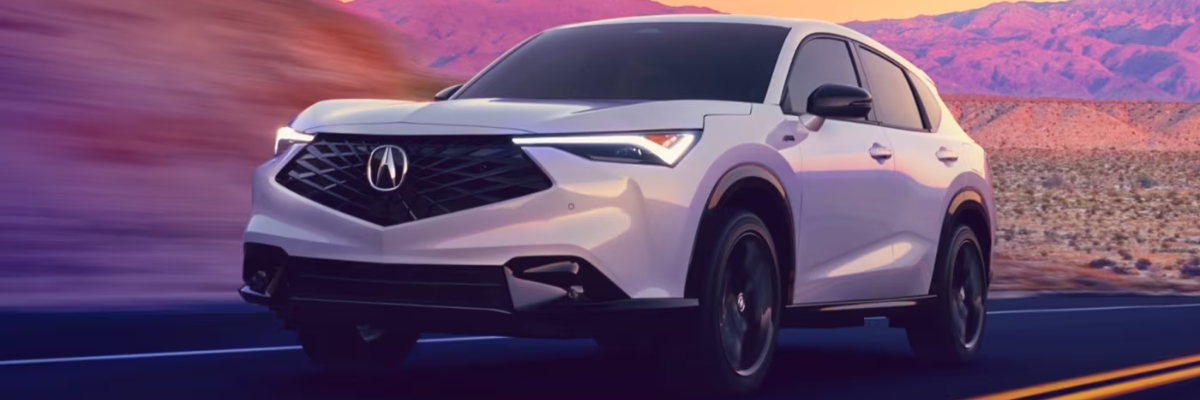
Used Acura SUV Breakdown
When looking at the used Acura SUV lineup, there are three modern options to pick from: the ADX, RDX and MDX. We’ll be taking a look at these models so you know what the differences are, and what you can expect before you hit the lot, so you have the best model that fits you, and your lifestyle.
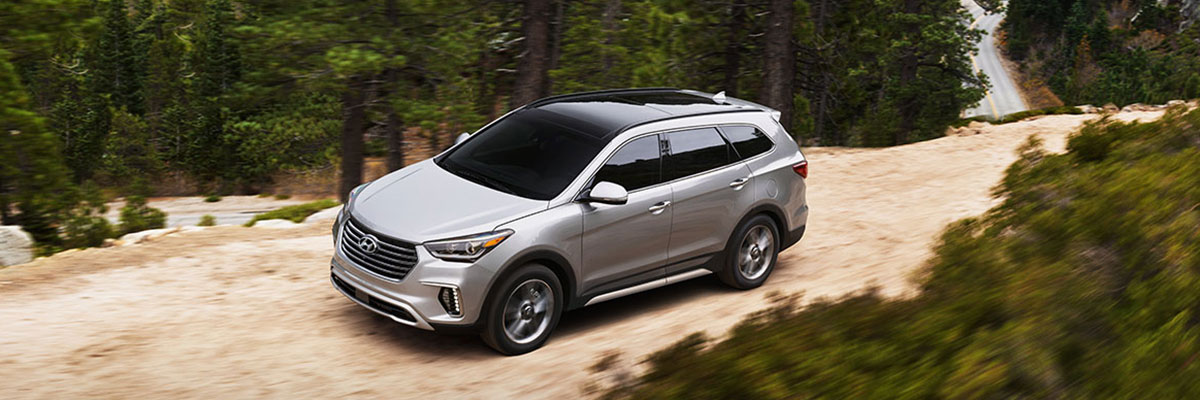
Used Hyundai Santa Fe Buying Guide
If you’re looking for a great used midsize SUV, the Hyundai Santa Fe should be at the top of the list. This is because it comes with good features, good reliability, and an even better price if you find the right model. With a few generations to pick from, we’ll break down what you can expect from each one.
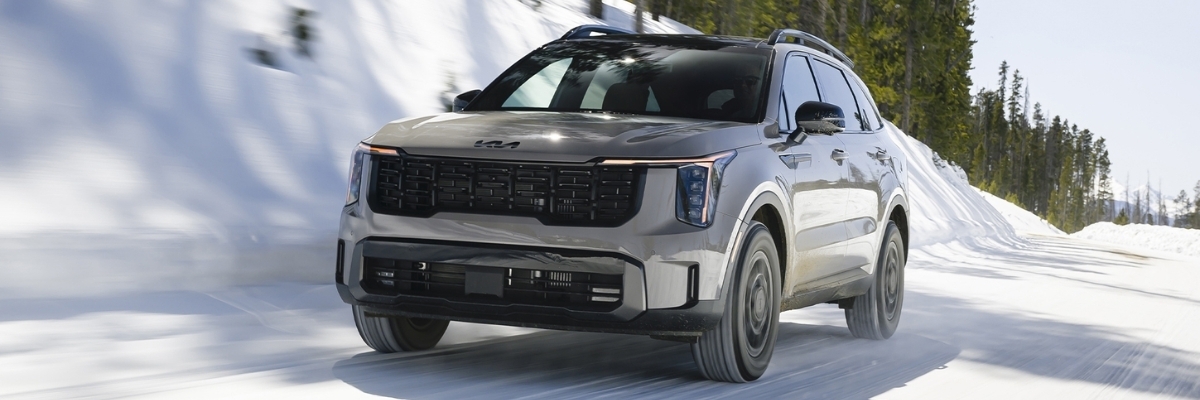
Used Kia SUV Breakdown
Kia is often thought of as some of the most reliable vehicles on the market, and with a ton of SUVs to pick from, it may be hard to pinpoint exactly what you want. That’s where we’re here to help. We’ll take a brief look at their SUV lineup so you know which one will best suit your needs before you take a deeper dive into the Kia lineup.
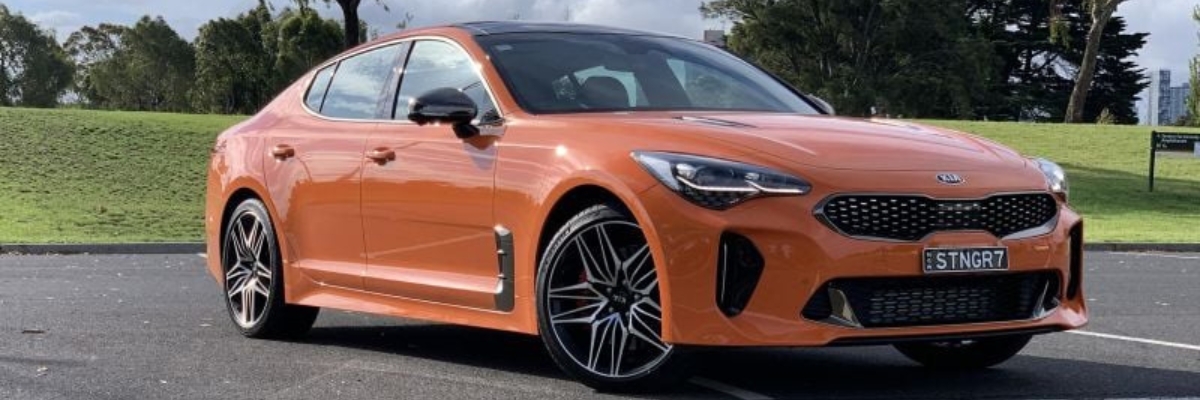
Used Kia Stinger Buying Guide
When most people think of Kia’s not many people think of cars, but the Stinger is one of the best on the market. If you’re looking for a great used model that is sporty, and capable, while still maintaining the reliability of a Kia, then this is the best for you. We’ll take a look at this model in depth, as well as some changes over the years so you know which one to keep a look out for.
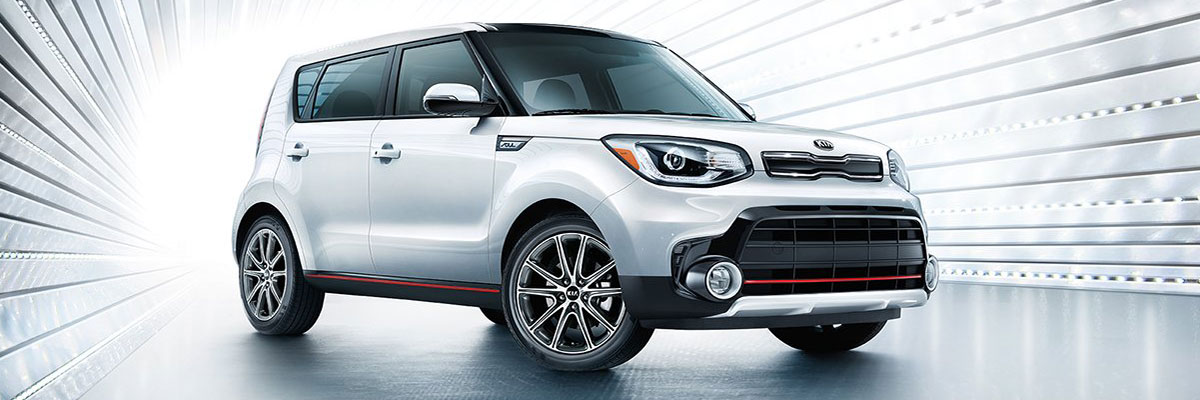
Used Kia Soul Buying Guide
The Kia Soul has a unique style, making it easily recognizable. When on the used market, it represents practicality, dependability, and affordability. When paired with the features that some of the year models come with, you won’t find a model that is as special as this one. We’ll take a look at which year models are better than the other so you know which one to look for.
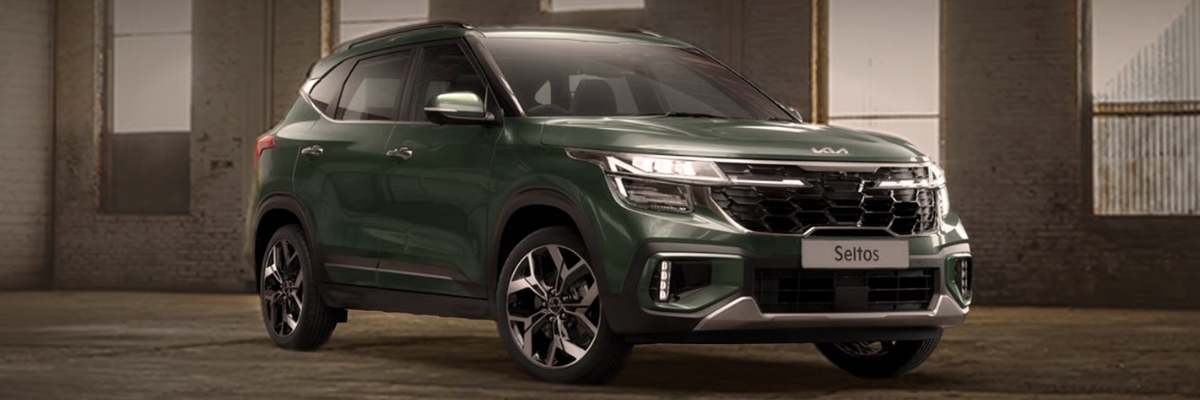
Used Kia Seltos Buying Guide
The Kia Seltos has quickly become a popular model thanks to its sleek look, great interior space, and some of the best features that you can find. With the model being around for a few years, there’s plenty of options on the used market. We’ll take a look at some of the years, and what they brought so you can make an informed decision.
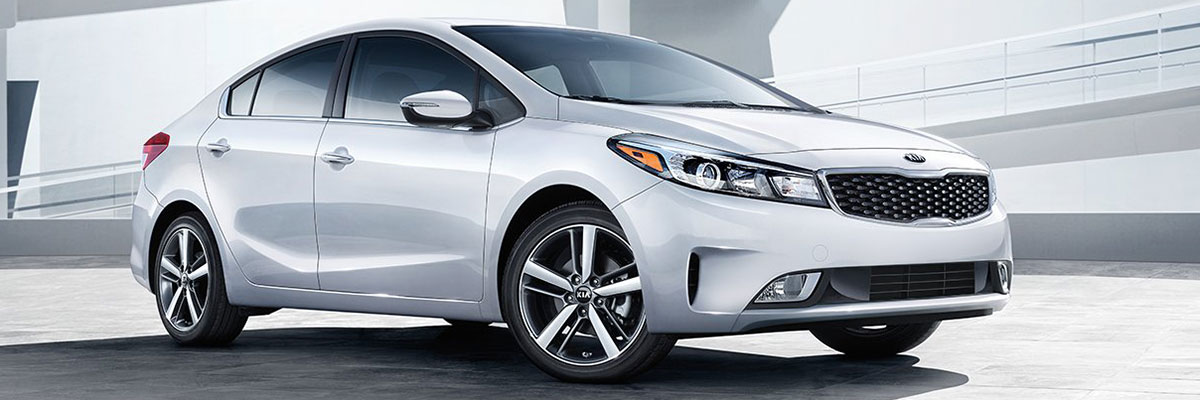
Used Kia Forte Buying Guide
When it comes to used compact sedans, it’s kind of hard to deny that a used Kia Forte is a good option. This is thanks to its modern styling, strong fuel efficiency, and an affordable price point. While not all year models are made the same, they still offer technology and safety features across the board. We’ll take a closer look at what you’re likely to find on used lots to help make your search a bit easier.
Used Kia Car Breakdown
With a few cars in the Kia lineup, they’re not all made the same. With some being more powerful, while others are more efficient, they all have their own place in the lineup. We’ll be looking at the used Kia car lineup so you get the model that will suit your needs.
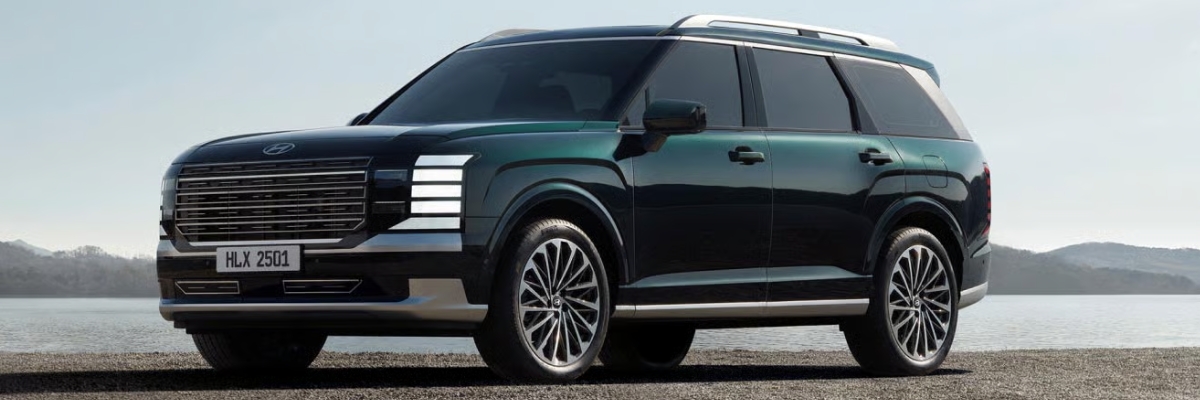
Used Hyundai Palisade Buying Guide
A used Hyundai Palisade is a great option for those who need a three-row SUV that comes loaded with features for the family. On top of having great features, this model is stylish, and reliable. Having only been around for a few years, we’ll break down which the best years are so you know which to look for.
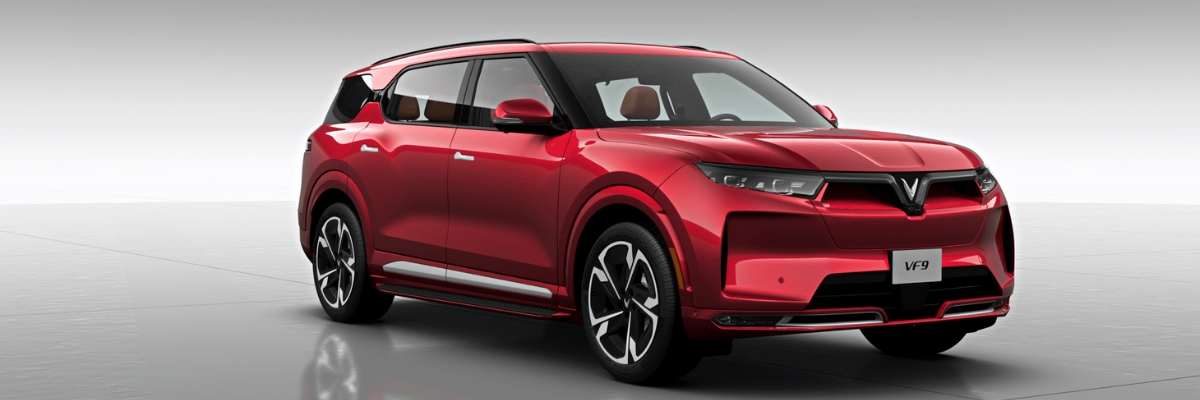
Used Toyota Corolla Cross Buying Guide
If you’re considering a Toyota Corolla Cross, you’re probably after a small SUV that won’t let you down. The Corolla name carries a long track record for dependability, and when Toyota stretched it into SUV form back in 2022, the result was a compact crossover that quickly became a favorite for urban drivers and families alike. It’s practical, fuel-efficient, and loaded with Toyota’s usual safety tech. Find out what the best years for a used Toyota Corolla Cross are below!
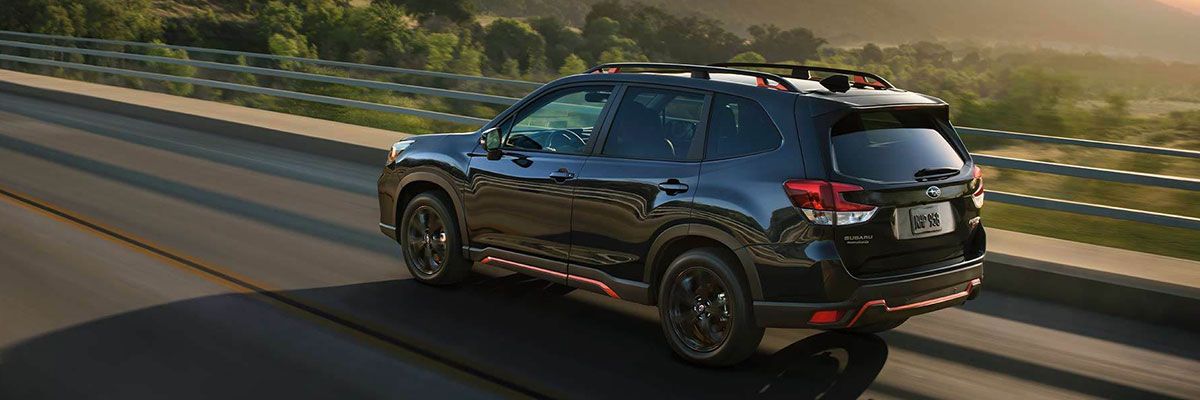
Used Subaru Forester Buying Guide
The Subaru Forester has never been the burliest off-roader in the SUV crowd, but it’s carved out a reputation as one of the most dependable all-weather family haulers you can buy.. With five generations already behind it (the sixth started in 2025), there’s no shortage of used options if you’re considering one. Here’s a look at each generation with some Subaru Forester used SUV buying tips to help you figure out which Forester might be the right fit.
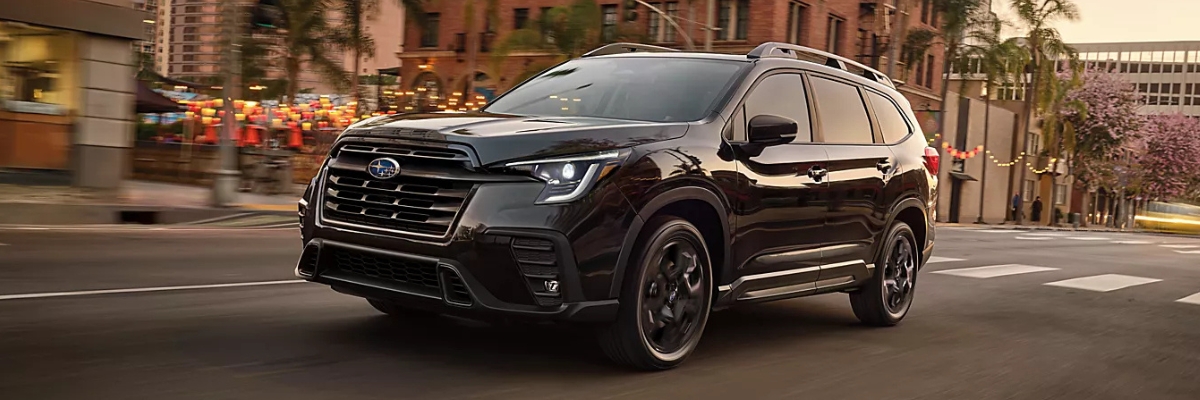
Used Subaru Ascent Buying Guide
The Subaru Ascent is Subaru’s largest SUV, built to seat seven or eight passengers and haul plenty of gear. Like most new models, the Ascent’s early years had some bumps, but Subaru has made improvements along the way. If you’re shopping used, it helps to know which years deliver the most reliability and which ones might leave you frustrated. Here’s what you need to know about the Subaru Ascent best and worst model years before buying!
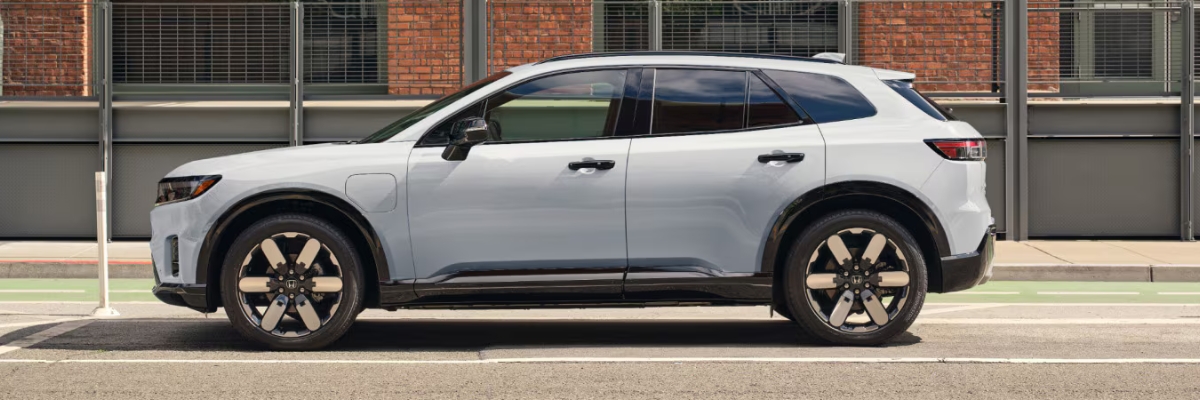
Used Honda Prologue Buying Guide
Honda’s first real step into the EV world came with the Prologue, which debuted in U.S. dealerships in April 2024. This wasn’t Honda’s first experiment with alternative powertrains—they’ve dabbled in fuel cells and hybrids for years—but the Prologue is the brand’s first mass-produced electric SUV. Should you consider a used model?
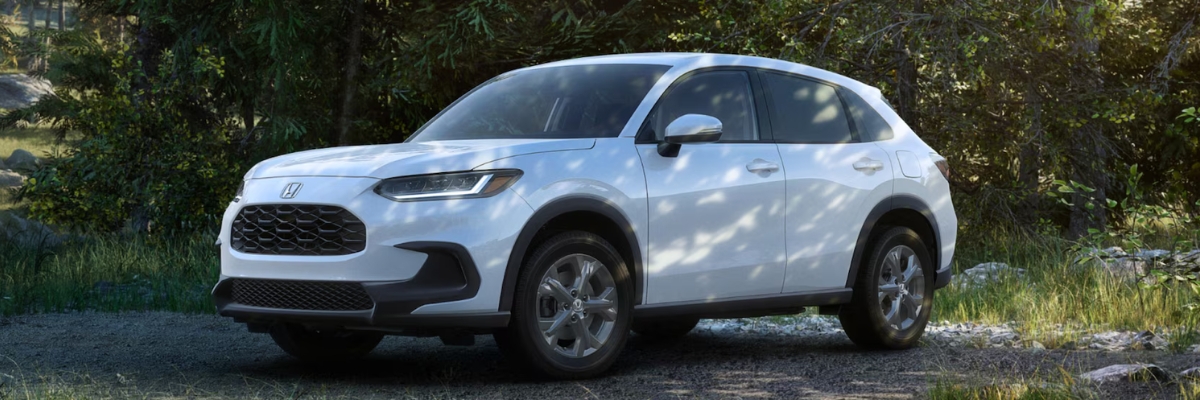
Used Honda HR-V Buying Guide
Honda’s subcompact SUV has carved out a solid place in the market by blending everyday practicality with Honda’s well-earned reputation for reliability. The HR-V has always appealed to city drivers and small families who want something easy to live with, affordable to run, and roomy enough to handle weekend trips. Let's break down past generations, so you can decide if buying a used Honda HR-V SUV is something you should do.
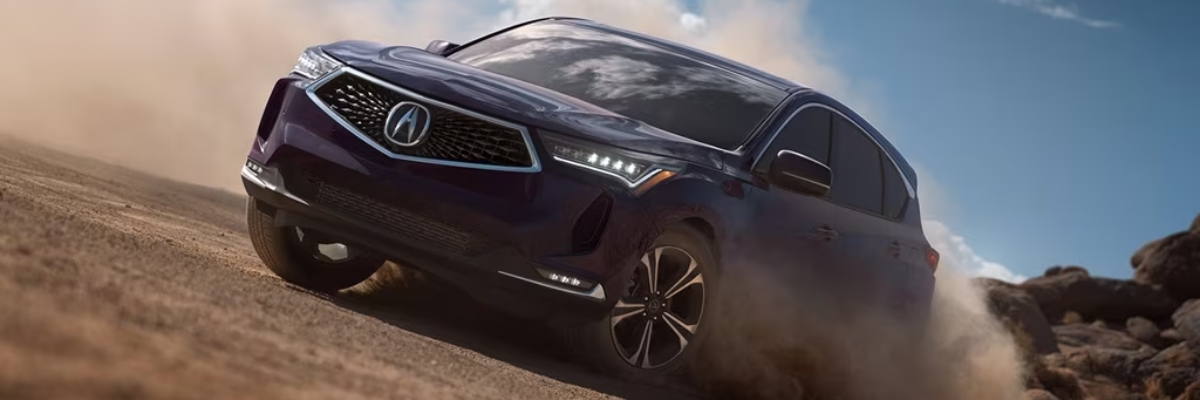
Used Acura RDX Buying Guide
The Acura RDX has been around long enough to prove itself in the compact luxury SUV crowd. It showed up for the 2007 model year as Acura’s first small crossover, and it’s been through three generations since. Over that time, it picked up better engines, sharper styling, and the kind of safety and tech buyers expect. Some years are stronger than others, but there are a few you should know about before buying used. Let’s take a look at Acura RDX reliability across model years!
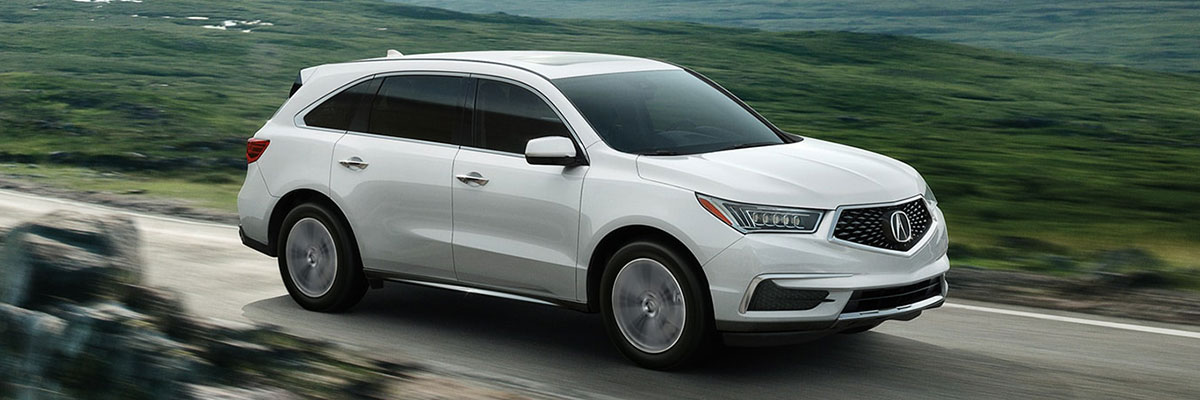
Used Acura MDX Buying Guide
The Acura MDX has been a mainstay in the luxury SUV world for over two decades. It wasn’t Acura’s first SUV—that was the short-lived Isuzu-based SLX—but when the MDX arrived in 2001, it set the template: three rows, a strong V6, and a balance of comfort with a sportier edge. Over four generations, Acura has added tech, sharpened styling, and expanded performance, but the core recipe hasn’t changed. Find out about the best features in a pre-owned Acura MDX below!
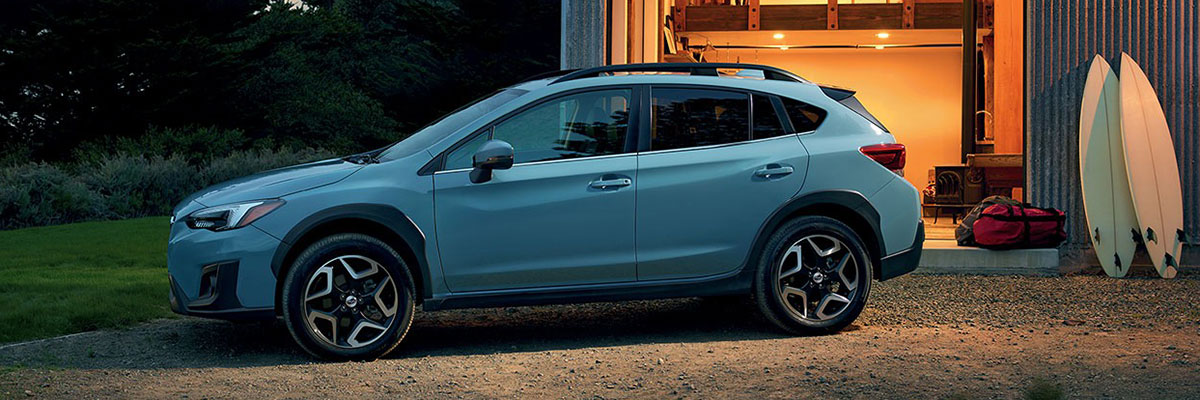
Used Subaru Crosstrek Buying Guide
The Subaru Crosstrek has carved out a loyal following by keeping things simple. Reliability is solid overall, and if you find one that its owners has adequately maintained, it’s usually a safe bet. Let's break down the best and worst model generations below in this Subaru Crosstrek buying guide for used SUV shoppers!
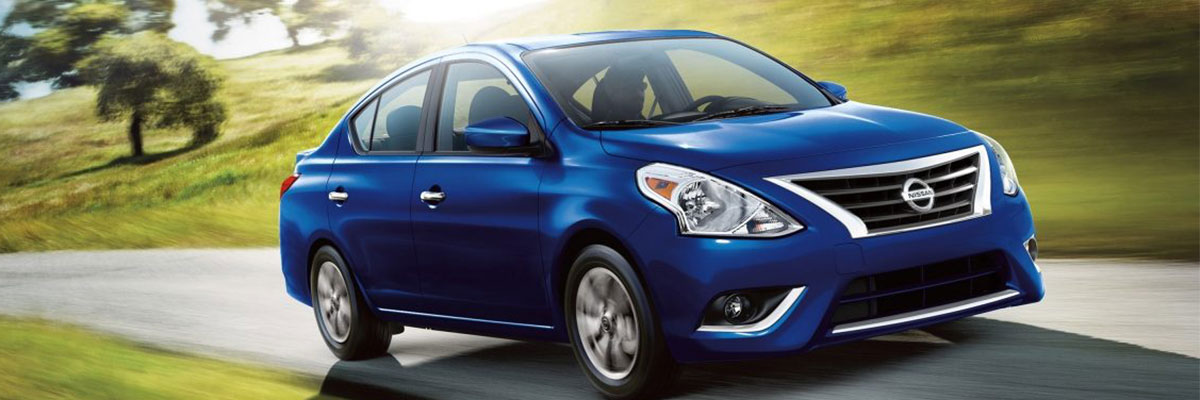
Used Nissan Versa Buying Guide
A used Nissan Versa represents one of the best options to get as it comes with a low cost as well as great fuel economy. While it has been around for some time, the most recent models are the ones to get. We’ll break down what you can expect from these models, and which ones you should get so you have the most bang for your buck.
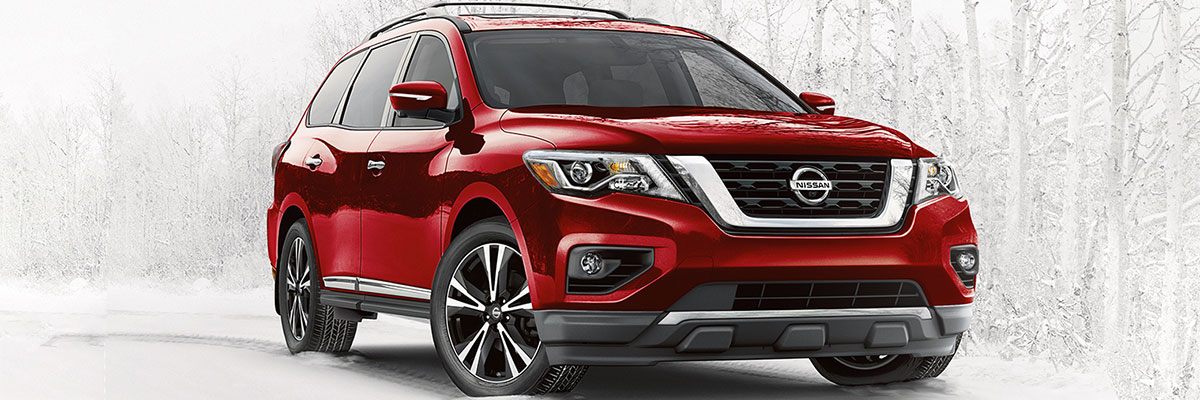
Used Nissan Pathfinder Buying Guide
A used Nissan Pathfinder is one of the best vehicles on the market thanks to its size, utility, and comfort. Being that there are tons of iterations of this model thanks to its popularity, there’s some standout years for this lineup. We’ll take a look at what you can expect, and which ones to avoid.
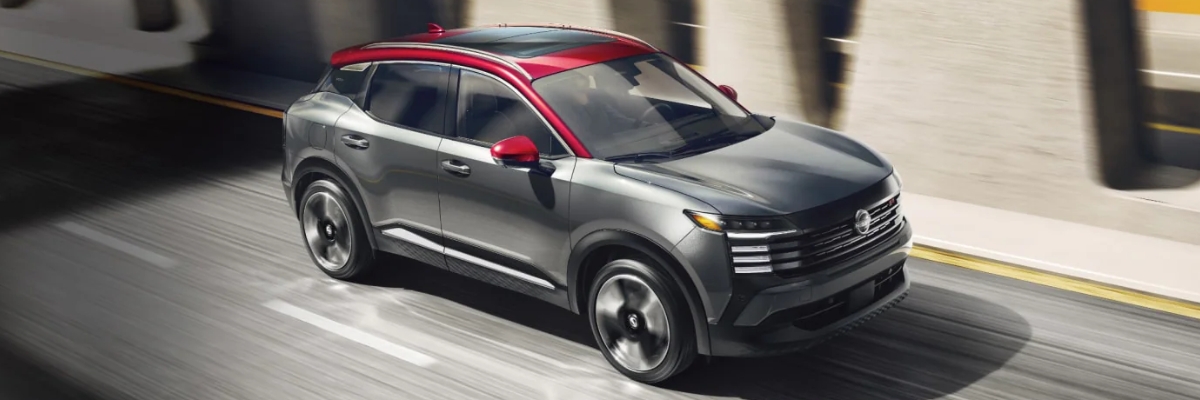
Used Nissan Kicks Buying Guide
If you’re looking for something that is a bit smaller, a used Nissan Kicks is a great option. While not as massive as other SUVs in the Nissan lineup, this one is the best option for those who live in a busy city. Being relatively new to the scene, there’s a few things that you should know about before you hit the lots, so we’ll highlight some of the best things to look for in this model.
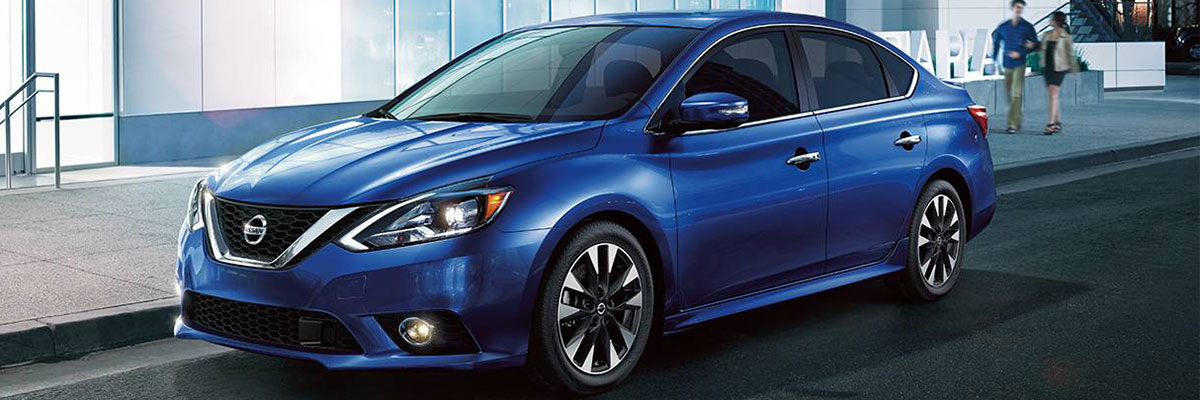
Used Nissan Sentra Buying Guide
When looking at the used car market, there’s one model that you might’ve seen a lot, and that’s the Nissan Sentra. If you’ve ever thought to yourself “is the Nissan Sentra a good used car?” That’s what we’re here to cover, we’ll take a closer look at this model to see what it comes with, and to see if it’s right for you.
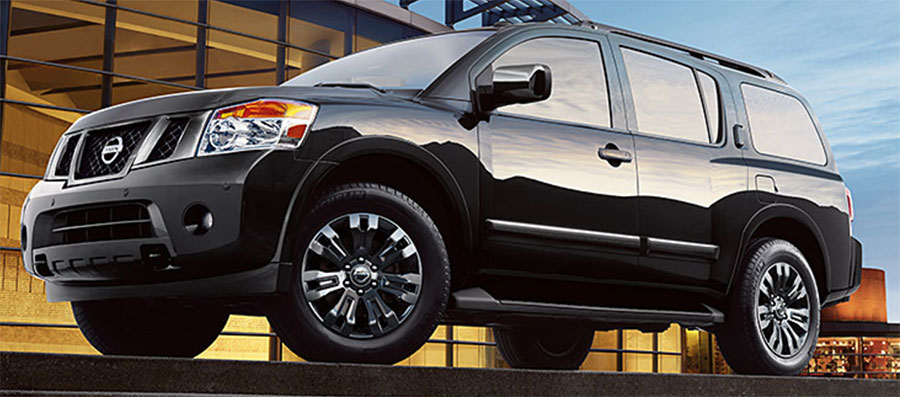
Used Nissan Armada Buying Guide
If you’re in the market for a used Nissan Armada, then you’ll be pleased to know that they come with three row seating and a powerful engine that is capable of towing a decent amount. It is a nice blend for a soccer mom car and a powerhouse that is capable of fun. We’ll be breaking down what you need to know so you can get a model that suits your needs.
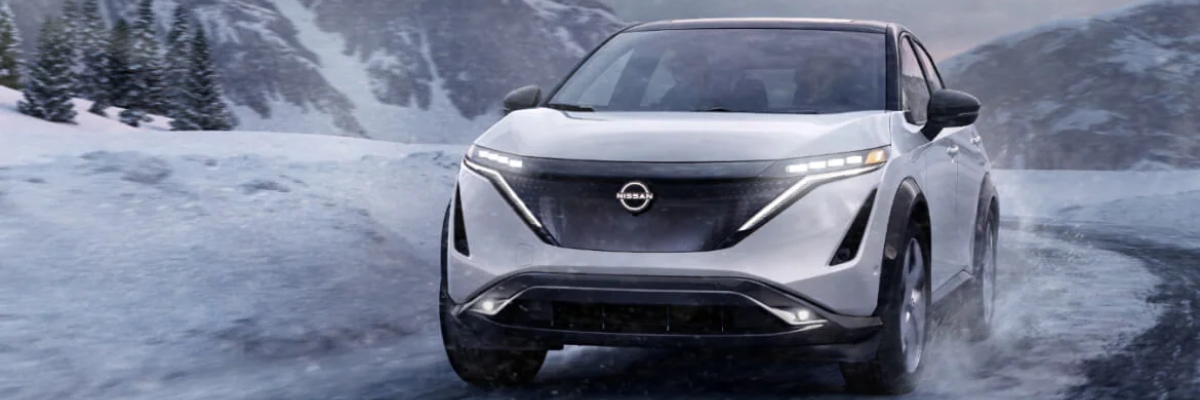
Used Nissan Ariya Buying Guide
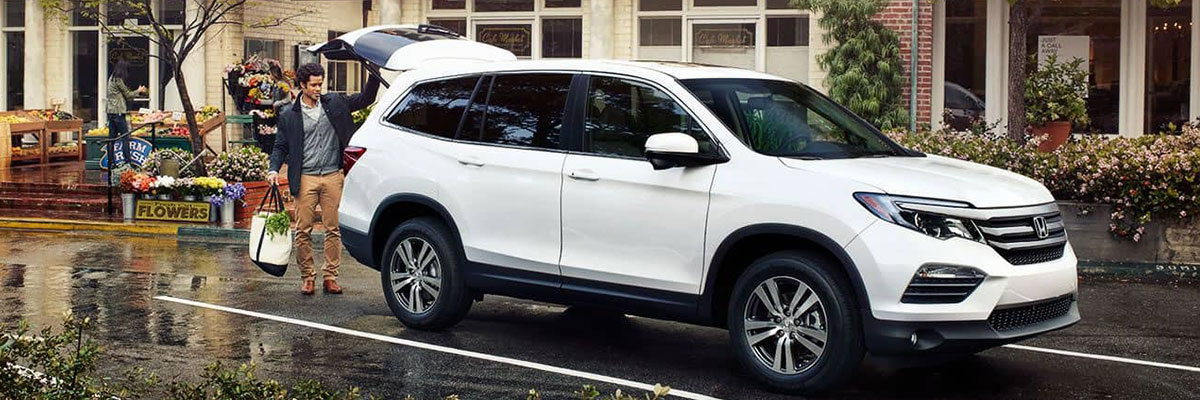
Used Honda SUV Breakdown
Used Honda SUVs offer a strong blend of reliability, comfort, and fuel efficiency. Whether you're after a compact daily driver or a spacious three-row SUV, Honda’s lineup delivers. This breakdown highlights the best models, and which Honda SUV fits your lifestyle best.
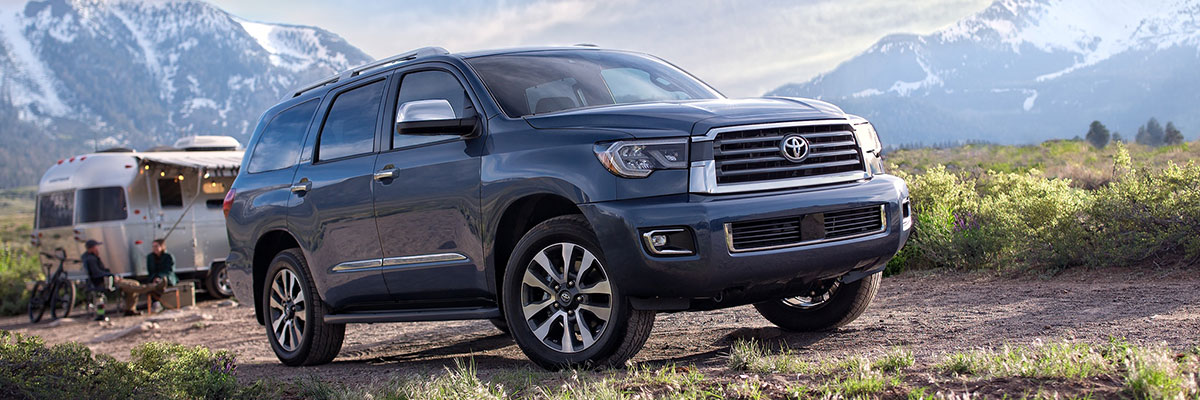
Used Toyota SUV Breakdown
Used Toyota SUVs have earned a reputation for long-term reliability, and strong performance in a variety of driving conditions. From the urban-friendly RAV4 to the rugged 4Runner, Toyota’s lineup offers something for everyone.
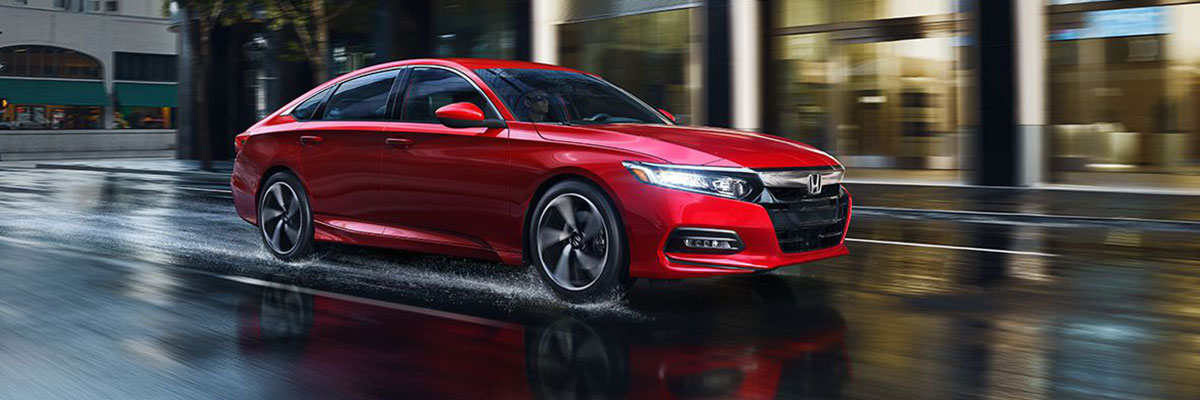
Used Honda Car Breakdown
Used Honda cars are widely recognized for their long-term reliability and strong fuel economy. Whether you're after an efficient commuter car, a sporty compact, or a comfortable midsize sedan, Honda’s lineup of used cars offers something for nearly every driver.
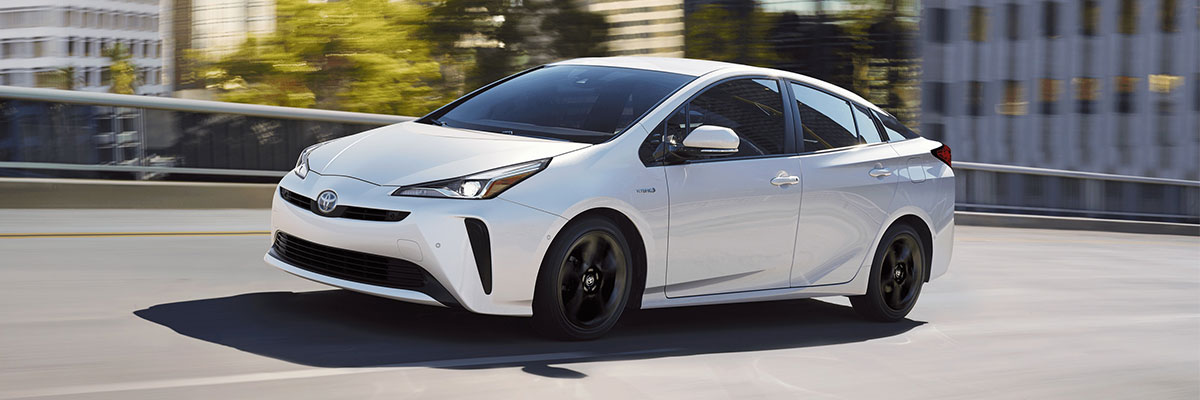
Used Toyota Car Breakdown
When it comes to reliability, and dependability, Toyota makes some of the best cars! The used market is no different. The benefit of getting a used model is you know it’ll last all while having a ton of options to pick from. We’ll take a look at what you can expect from the Toyota lineup to see which model will suit your needs.
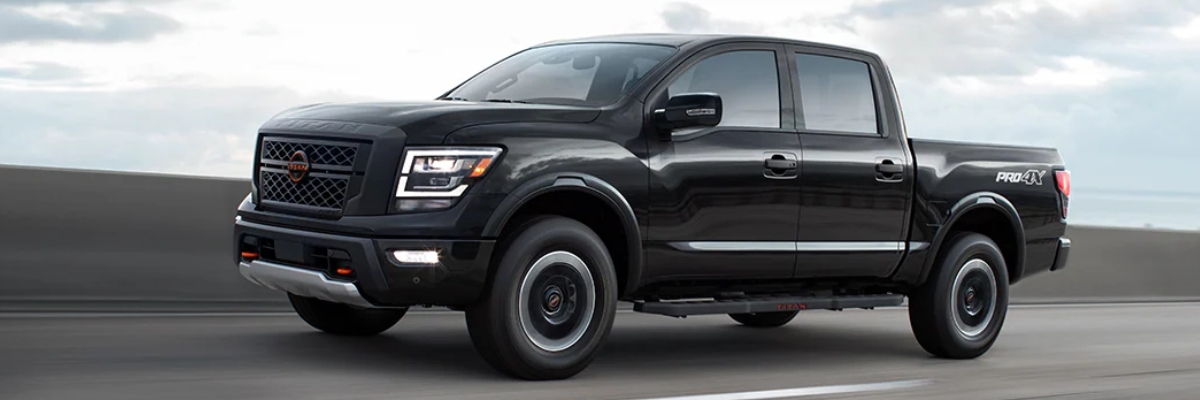
Used Nissan Truck Breakdown
When it comes to used Nissan trucks, there’s only one left in production today. But you can still find some great used options. These options: the midsize Frontier and the fullsize Titan, both past and present, are reliable, powerful, and comfortable. We’ll be taking a look at what makes each one worthwhile, and which one you should get based on your needs. Here is your used Nissan truck breakdown.

Used Nissan SUV Breakdown
Nissan has built a solid lineup of SUVs that range from compact daily drivers to spacious three-row family haulers. If you're shopping used, you’ll find a mix of reliability, and tech features. With some models being better than others, we’ll break down what to know before buying a used Nissan SUV.
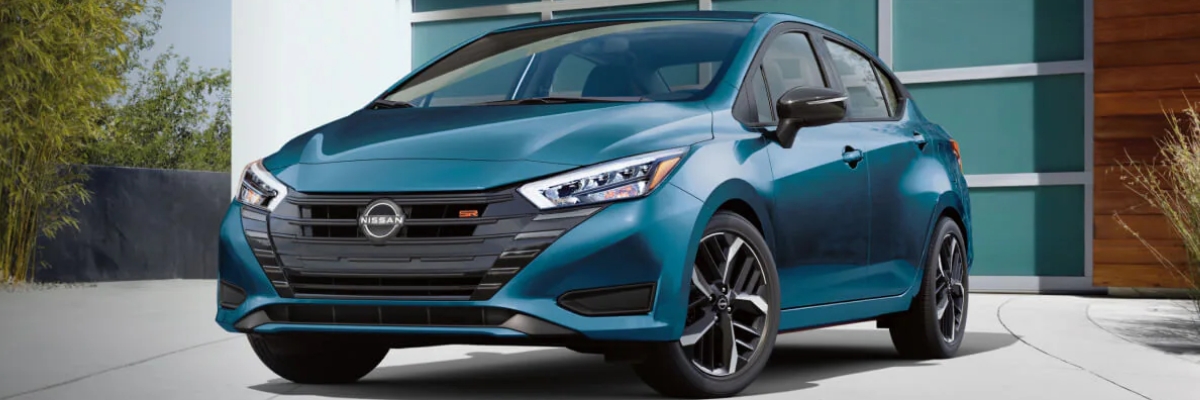
Used Nissan Car Breakdown
Used Nissan cars are known for their affordability, smooth ride quality, and stylish design. Whether you're looking for an efficient daily commuter or a comfortable midsize sedan, Nissan offers a wide range of used vehicles that balance value and versatility.
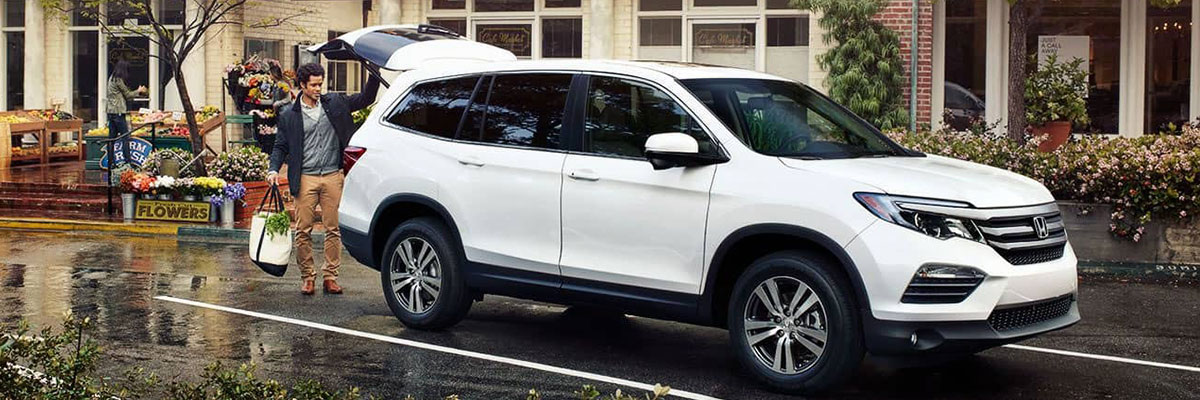
Used Honda Pilot Buying Guide
If you’re in the market for a family-friendly, three-row SUV that is reliable, then the Honda Pilot is for you. Featuring spacious seats and powerful, efficient engines, it doesn’t get much better. We’ll take a look at the generations and their features so you know what to expect before you get down to the lot.
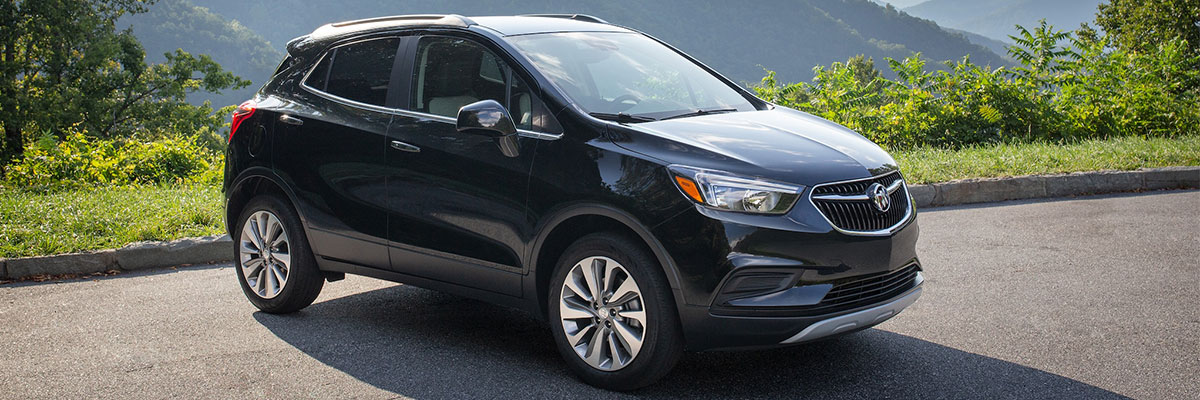
Used Buick Encore Buying Guide
If you’re in the market for a used Buick Encore, but don’t know which one to get, we want to help. The Encore blends efficiency, comfort, and some great features to give you the best vehicle possible, but with a few trims and engines to pick from across generations, things may get confusing. We’ll take a look at the differences, as well as some of the best year models to help you find the perfect SUV.
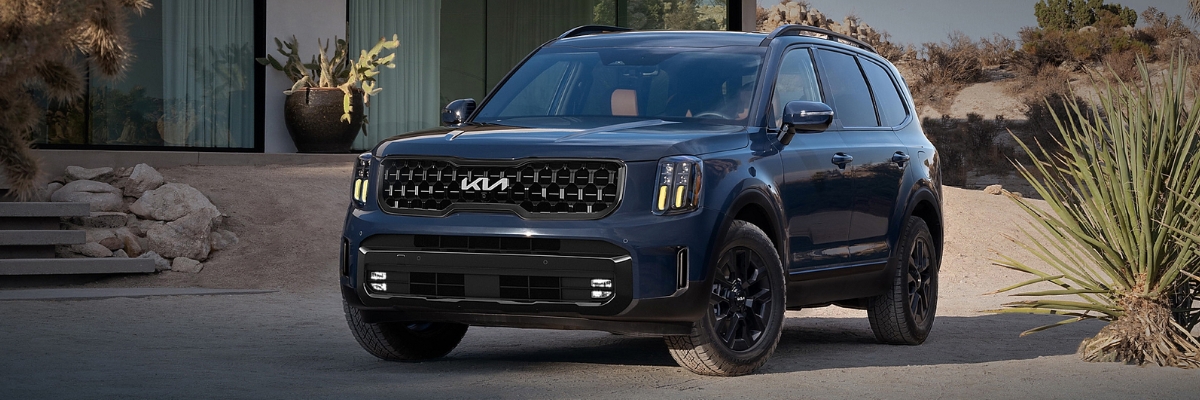
Used Kia Telluride Buying Guide
While the Kia Telluride is a newer model SUV, it quickly became a sought-after one across the US market. Coming with an upscale design, great features, and a strong performance, it’ll be hard to find a pre-owned model that is better than this. We’ll break down some of the changes, as well as what you can expect from a used Telluride.
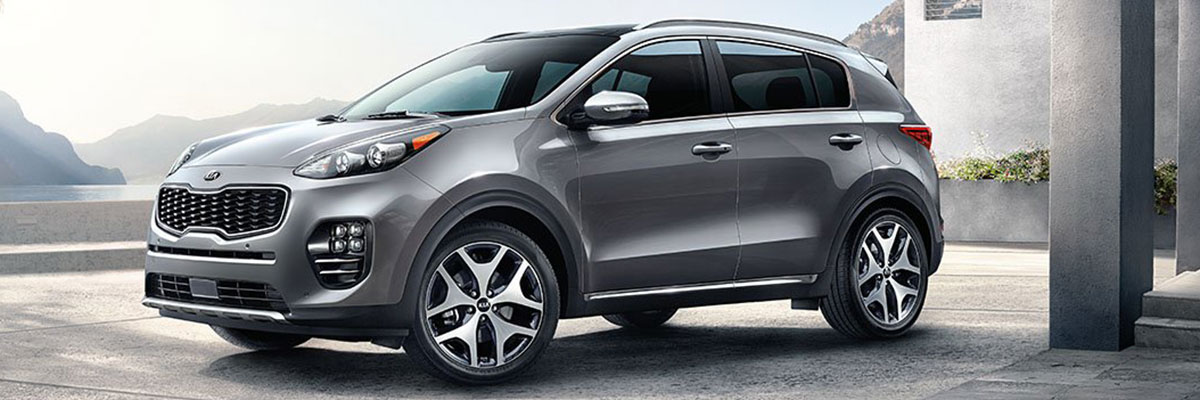
Used Kia Sportage Buying Guide
The Kia Sportage has been on North American roads for three decades, being a solid SUV since then. A used Kia Sportage offers a blend of comfort, features, and, even more importantly, the most bang for your buck. We’ll be looking at some of the generations and their features. This is your used Kia Sportage buying guide.
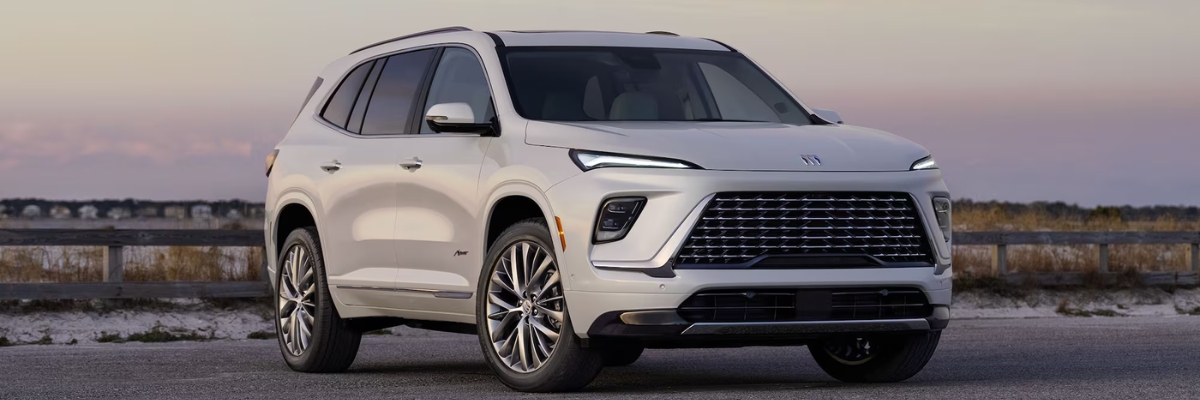
Used Buick Enclave Buying Guide
If you’re in the market for a used SUV that is upscale, comfortable, has some of the best tech around, and is quiet, then you don’t need to look any further. A used Buick Enclave ticks all of these boxes, and more. We’ll be taking a look at how the model has changed over the years to help make sure you get what you want.
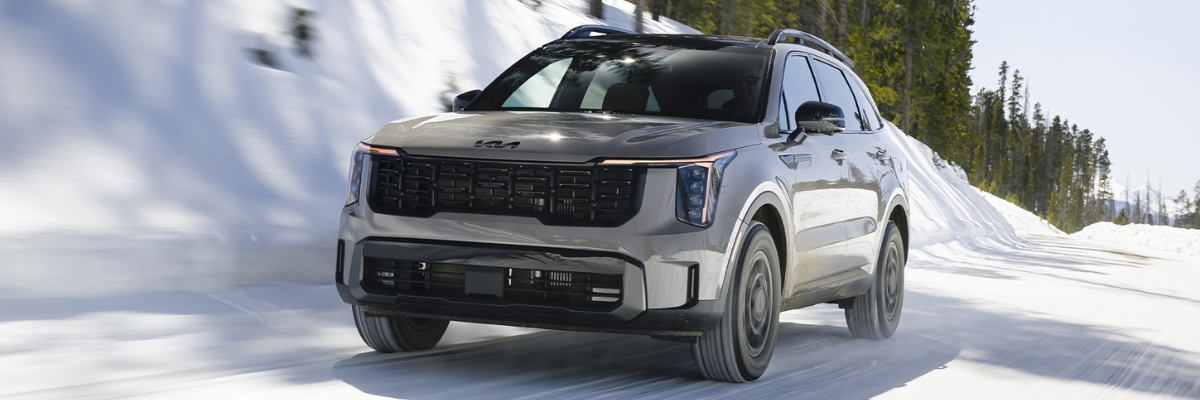
Used Kia Sorento Buying Guide
If you’re looking for a used Kia Sorento for families, there are a few things you should know about. While each model shares the same name, the features they come with will differ. We’ll take a closer look at the generations of this SUV and the year models in them to give you the best and safest option for you and your family.
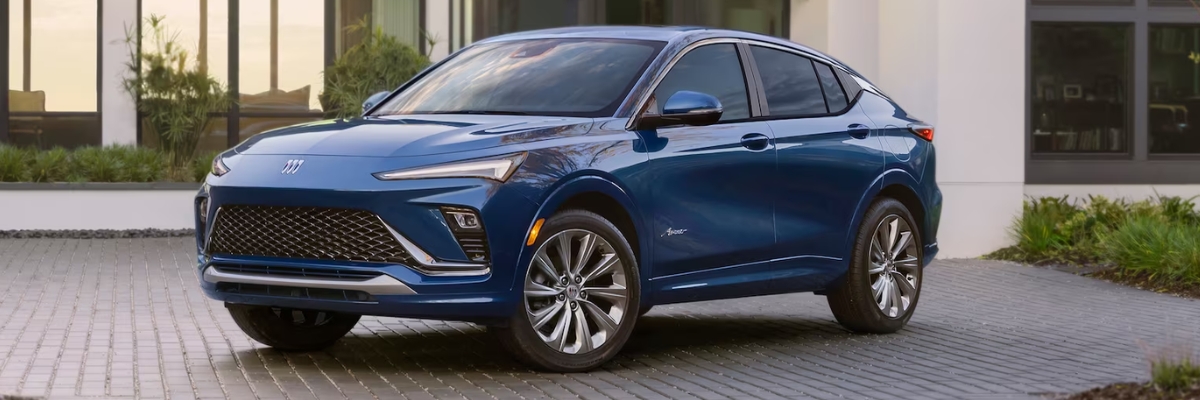
Used Buick SUV Breakdown
Are you in the market for a used Buick SUV but don’t know what to get? We want to help. This is a Buick SUV lineup breakdown for used buyers, so you know what to keep an eye out for. We’ll take a look to see what each model is best at, and which one has the best features.
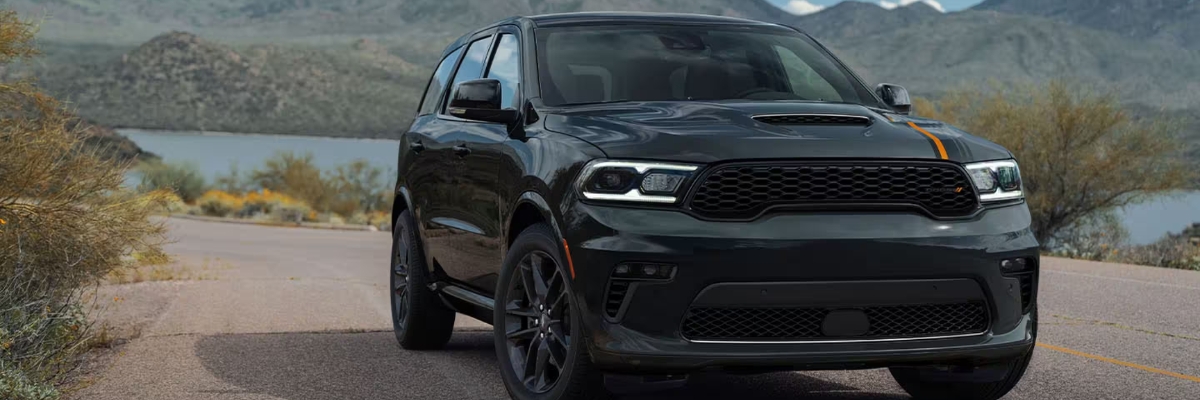
Used Dodge Durango Buying Guide
A Dodge Durango is one of the best models to get used. It comes with a unique style, has raw power, and three row seating. Thanks to the features that it has seen over its life, this is basically a muscle car in the form of an SUV. We’ll be taking a look at some of the features that helped make the Durango what it is, and what to look for when buying a used Dodge Durango.
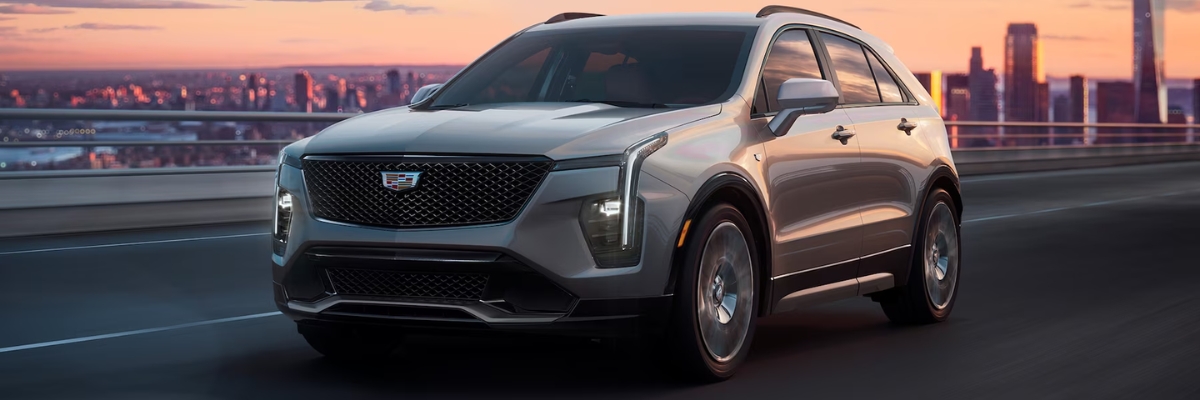
Used Cadillac XT4 Buying Guide
A used Cadillac XT4 is the best option for those who want a compact luxury SUV that is stylish. It comes with some of the best tech, upscale look, and is city friendly. This model has it all, but which is the one to look for? That’s what we’re here to find out. We’ll be taking a look at the years to see which is the best option.
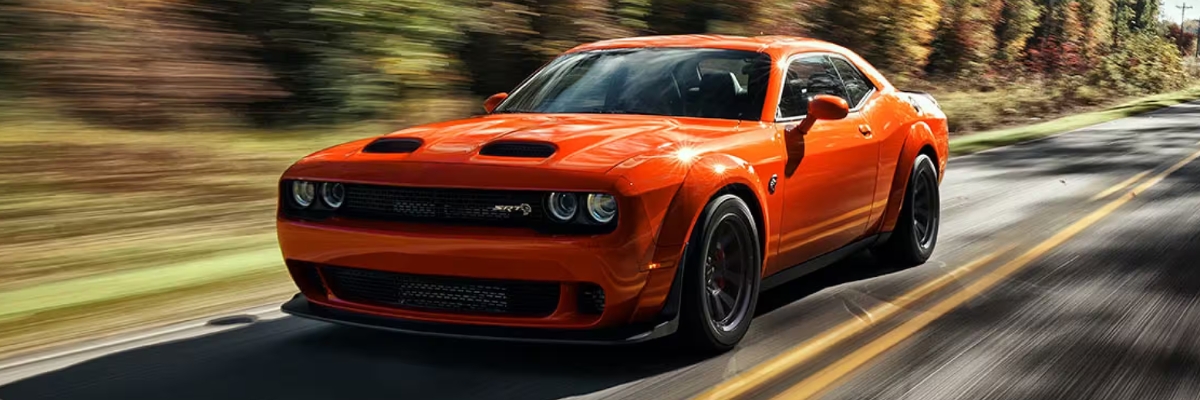
Used Dodge Challenger Buying Guide
If you’re in the market for a used Dodge Challenger, there’s a few things to be aware of. Coming with a ton of trims, and year models, there’s a lot to keep in mind. We’ll be taking a look at what makes each generation unique to see which is the best one for you.
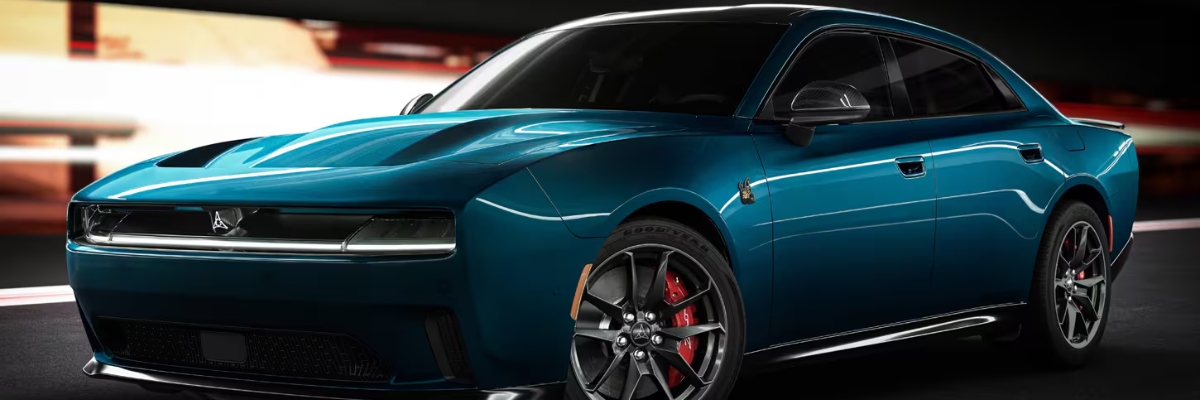
Used Dodge Charger Buying Guide
If you’re wanting a muscle car, but want something a bit more practical, then a used Charger is the best of both worlds. Each generation comes with the raw power that Dodge is known for, but giving it a more family friendly twist. We’ll be looking at some differences that the line has seen over the years to show you what to look for in a used Dodge Charger.
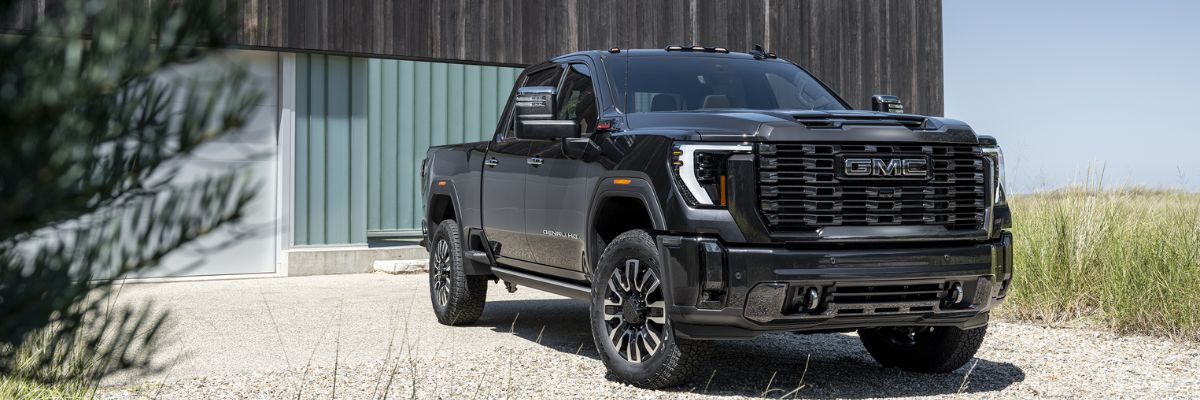
Used GMC Sierra HD Buying Guide
If you’re in the market for a used GMC Sierra HD, you’re wanting something strong, reliable, and comfortable. In the heavy duty truck market, there’s tons of options, but nothing compared to Sierra. We’ll be breaking down some capabilities, features, and efficiency over the generations so you know which is best for you.
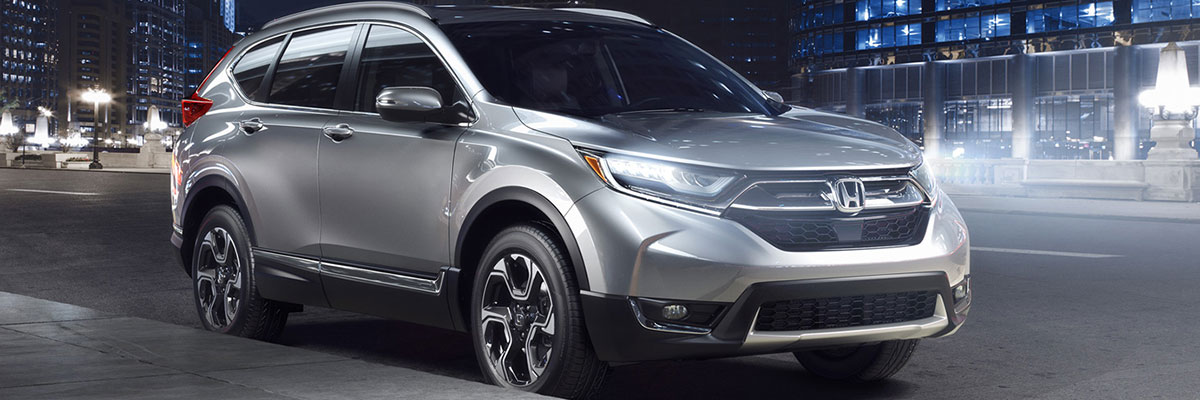
Used Honda CR-V Buying Guide
When in the market for a used Honda CR-V, there are a ton of options because it has been around for a long time. If you’re wanting something reliable, efficient, and a great option for a family vehicle, then you are looking at the right model. We’ll take a look at some of the highlights from recent years, and showcasing which generation comes with the most value.
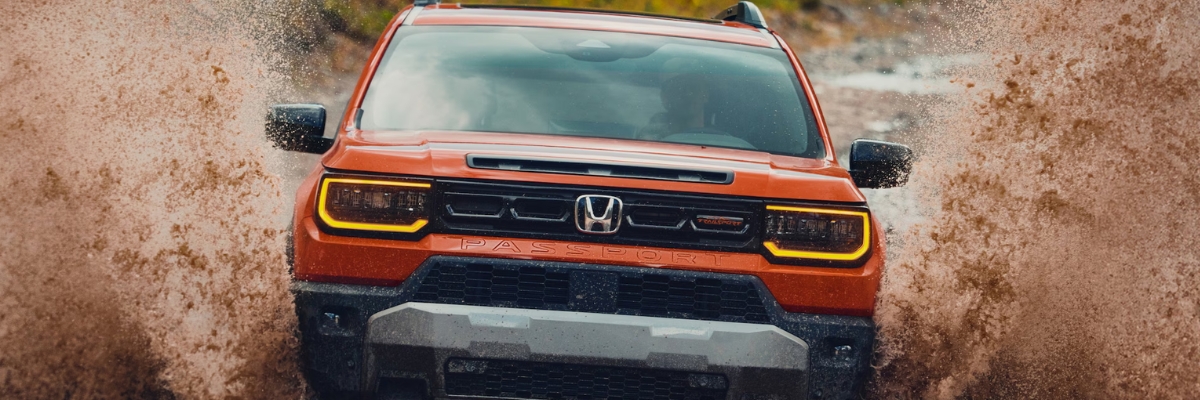
Used Honda Passport Buying Guide
When it comes to used Honda Passports, they are the perfect family vehicle because they come with great room and great features. We’ll be taking a look at the generations of the model throughout the years to make sure that you get what you’re looking for.
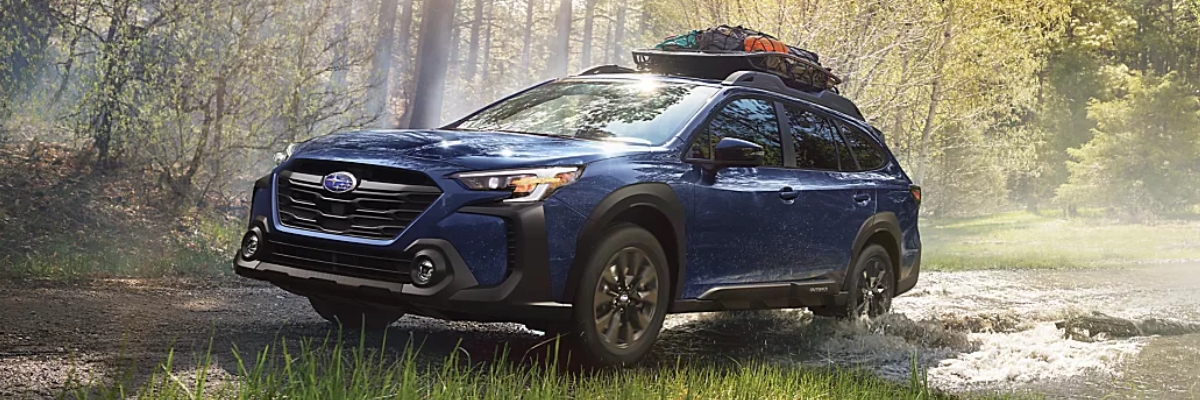
Used Subaru Outback Buying Guide
If you’re in the market for a used Subaru Outback, we don’t blame you. This model has a spacious interior, great reliability, and even all-wheel-drive capability. We’ll be taking a look at the different generations, and what to look for in them to help give you the best one for your needs.
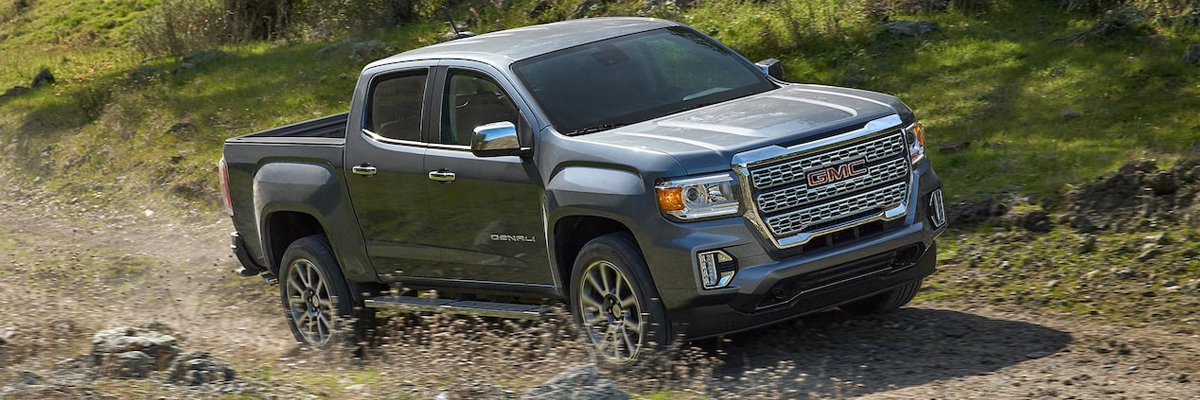
Used GMC Canyon Buying Guide
The GMC Canyon is often overlooked when it comes to pickups, but that’s not because it's a bad truck. Today, we’ll be looking at Canyon and what makes it one of the best trucks to buy as a used vehicle.
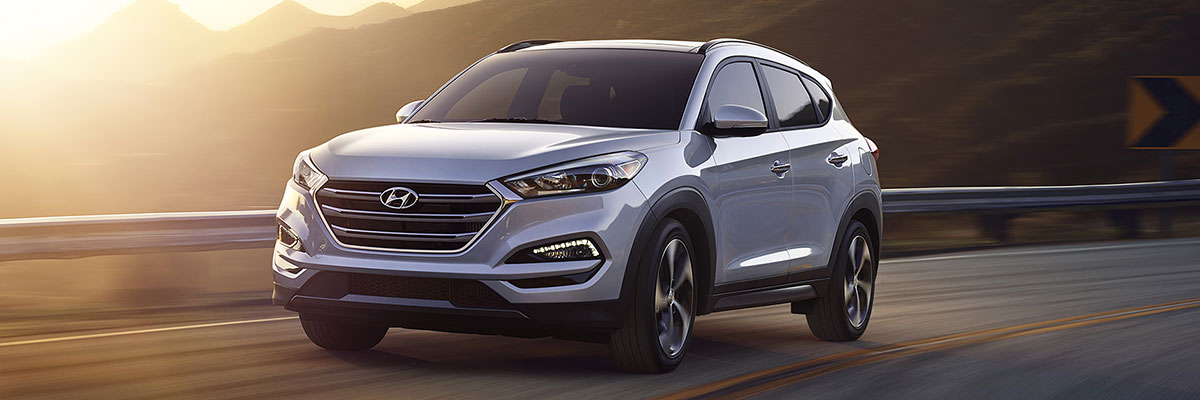
Used Hyundai Tucson Buying Guide
If you’re in the market for something used and reliable, then it doesn't get much better than a Hyundai Tucson. Having plenty of options to pick from, we’ll take a look at the generations and the years in between so you know which SUV is right for you.
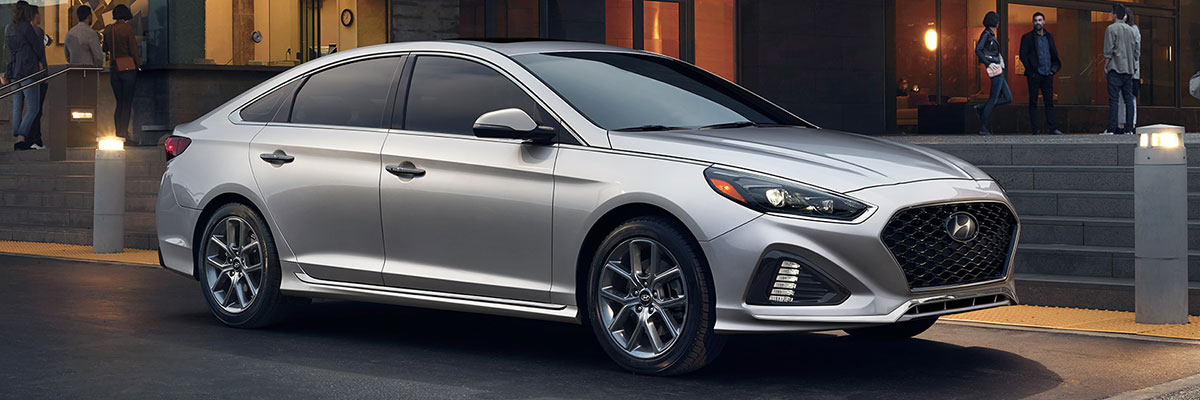
Used Hyundai Sonata Buying Guide
The Hyundai Sonata has been on the road for 40 years, having seen a ton of change over its time. If you’re in the market for a used one, it may be hard to figure out which one is right for you, and we want to make that a bit easier. We’ll take a look at some more recent models to help make sure you get the car that is right for you.
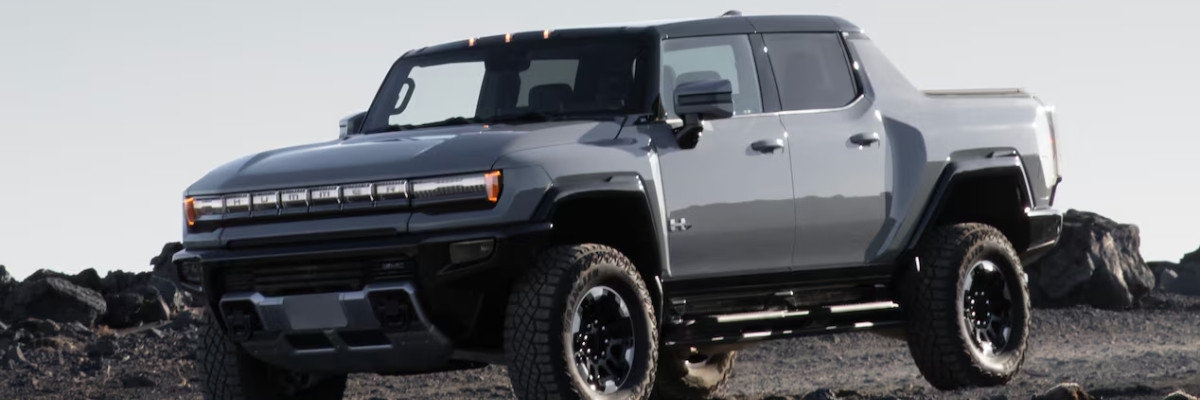
Used GMC Truck Breakdown
If you're in the market for a used GMC pickup, but aren’t sure which one is right for you, we want to help. If you’re looking for something versatile, powerful, or an outright workhorse, the GMC lineup has it all. Here are some things to keep in mind before you hit the dealership lots.
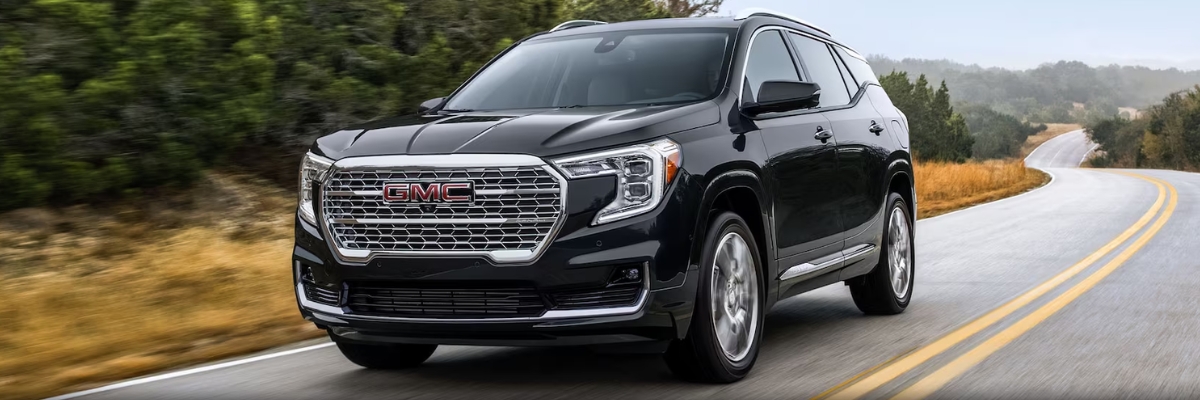
Used GMC Terrain Buying Guide
The Terrain is always a standout option in the compact SUV market. This blends style, features, and comfort. If you’re in the market for used ones, there are a few things to keep in mind before you buy. We’ll take a look at the generations and the models in between to show you which are the best options.
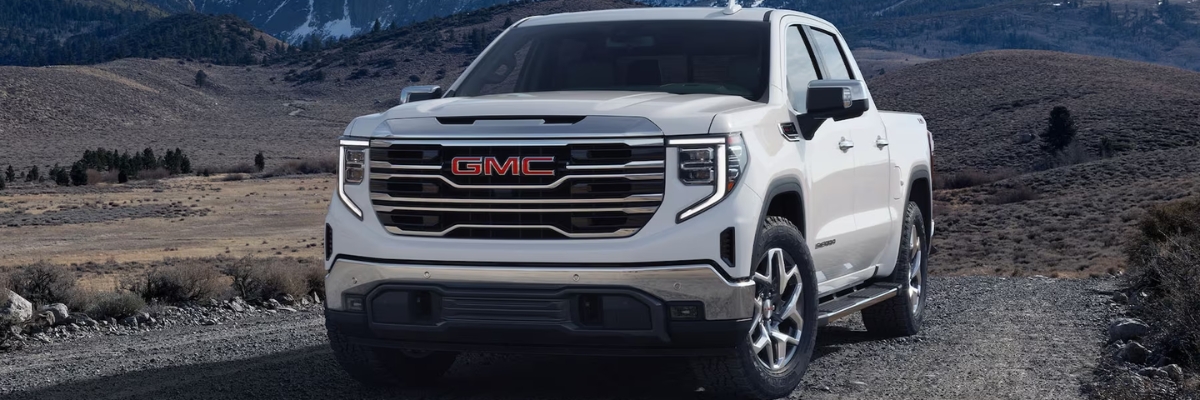
Used GMC Sierra 1500 Buying Guide
The GMC Sierra brings some much-needed luxury to the pickup market, but that doesn't mean that it’s not capable. Today, we’ll be taking a look at the truck over the years to see which model you should get used to and which one you should avoid.
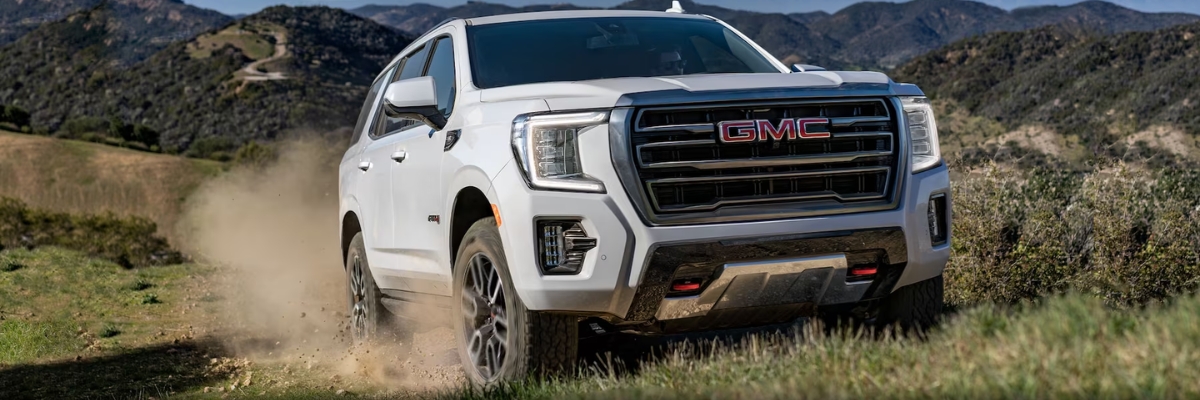
Used GMC Yukon Buying Guide
If you’re in the market for something a bit more than just an SUV, then a used Yukon is what you want. It comes with spacious three-row seating and some of the best features on the market. We’ll break down some of the trims, generations, and years to make sure you get what you want.
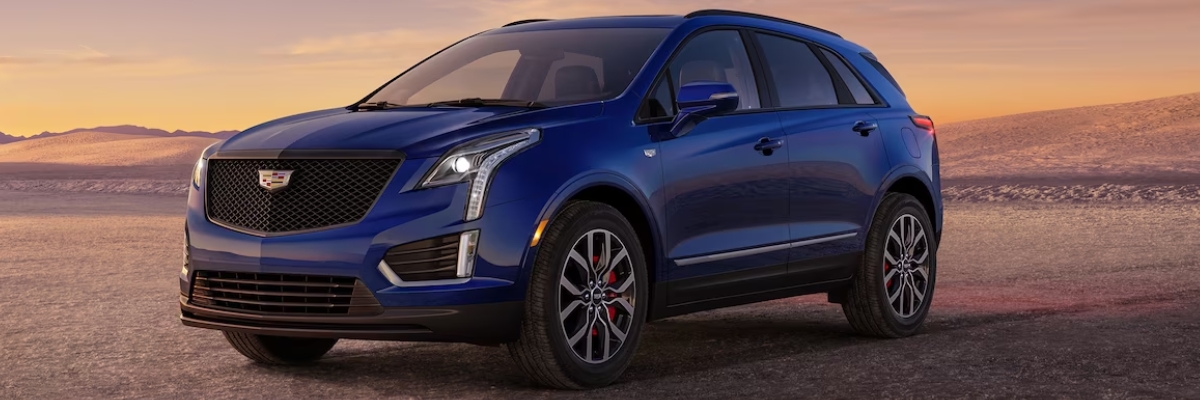
Used Cadillac XT5 Buying Guide
When you want a Cadillac, you want the best of the best. Even used models are better than some of the competitors on the market. We’ll take a look at the luxury over the years, as well as some standout features, so you know which year model works best for you. Here is the only Cadillac XT5 used SUV review you’ll need.
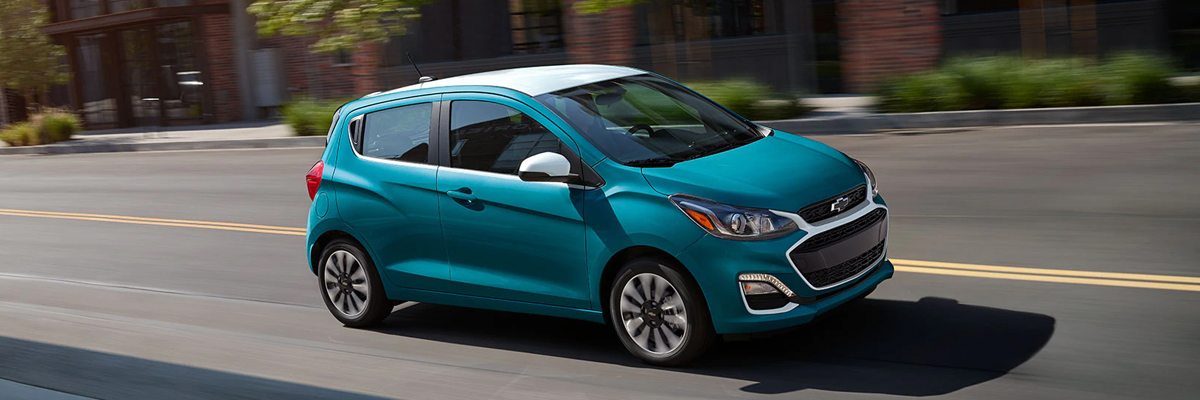
Used Chevy Spark Buying Guide
If you’re looking for a reliable used vehicle, then look no further than the Chevy Spark. Having been in production for 24 years, there’s plenty to pick from. We’ll be breaking down the generations, as well as the changes in between so you know what to look for before you even step foot on the lot.
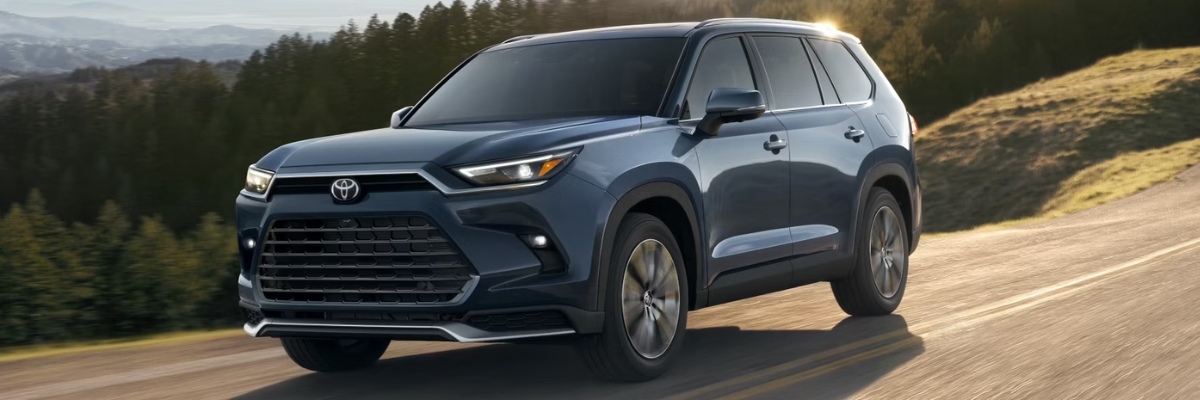
Used Toyota Grand Highlander Buying Guide
If you’re in the market for a used Grand Highlander, there’s a few things you should know before you buy. We’ll be taking a look at the years, and the trims to make sure you get what you want. Here are some used Toyota Grand Highlander buying tips.
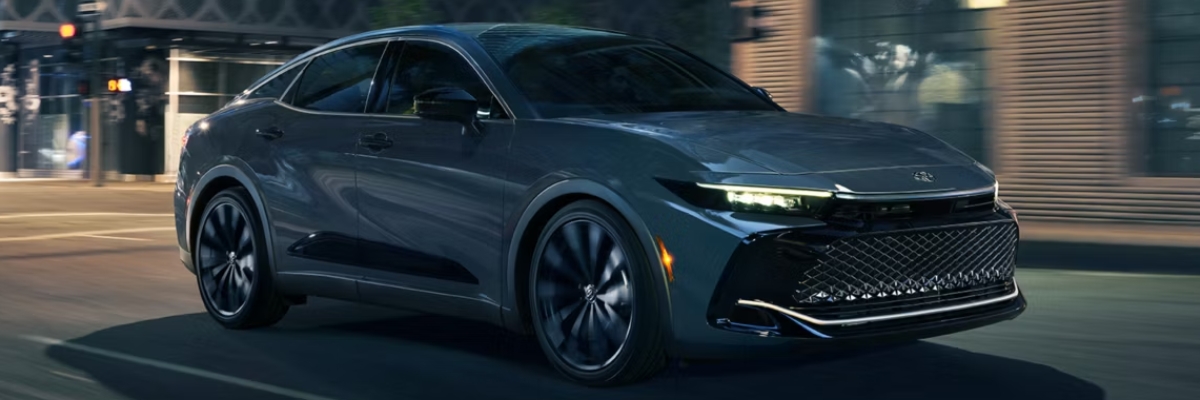
Used Toyota Crown Buying Guide
With the Toyota Crown being reintroduced, you might be interested in used models. We’ll be taking a look at some of the most recent models, and trims to help you get the one you want. Here are some used Toyota Crown buying tips.
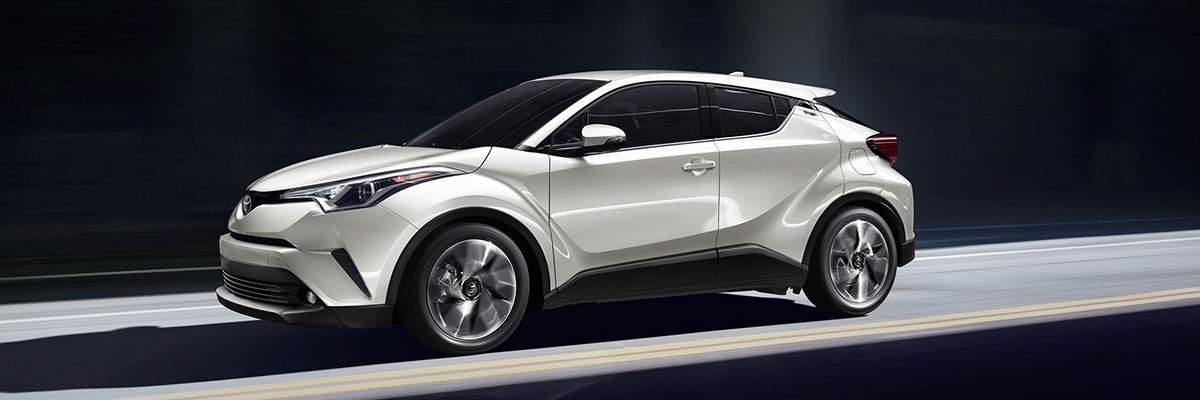
Used Toyota C-HR Buying Guide
The Toyota C-HR is a subcompact crossover, and if you're in the market for a used one, this is for you. We’ll be taking a look at some of the changes over the years, as well as telling you what the best used Toyota C-HR year is to help make sure you get what you want.
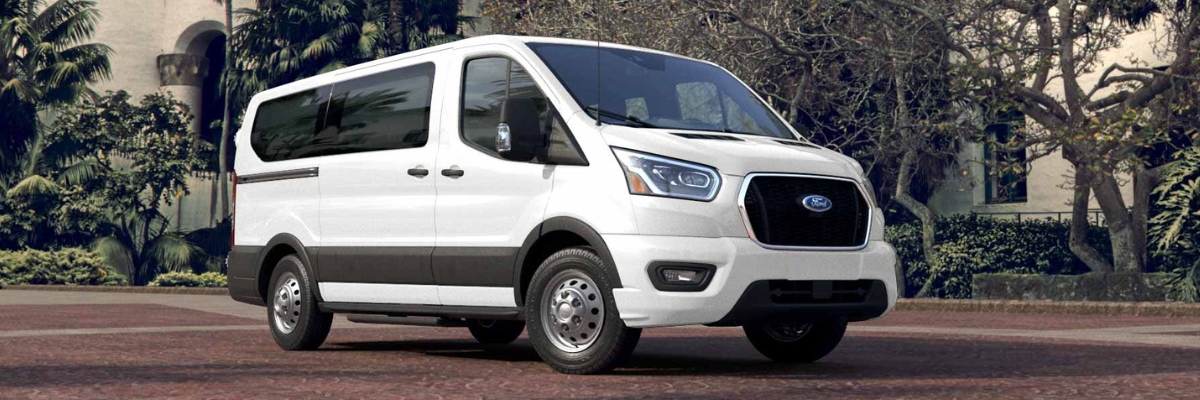
Used Ford Transit Buying Guide
A used Ford Transit is one of the best options for those who need something covered to move your gear around. It doesn’t matter if you need it for tools, or instruments, you'll find something for you. We’ll be taking a look at the model over the years to help give you the best vehicle possible.

Used Ford Mustang Mach-e Buying Guide
One of the newest additions to the Ford lineup is the Mustang Mach-E. If you’re looking for a used model, then we want to help you out. We’ll be taking a look through the years to help make sure you get the right model for you.
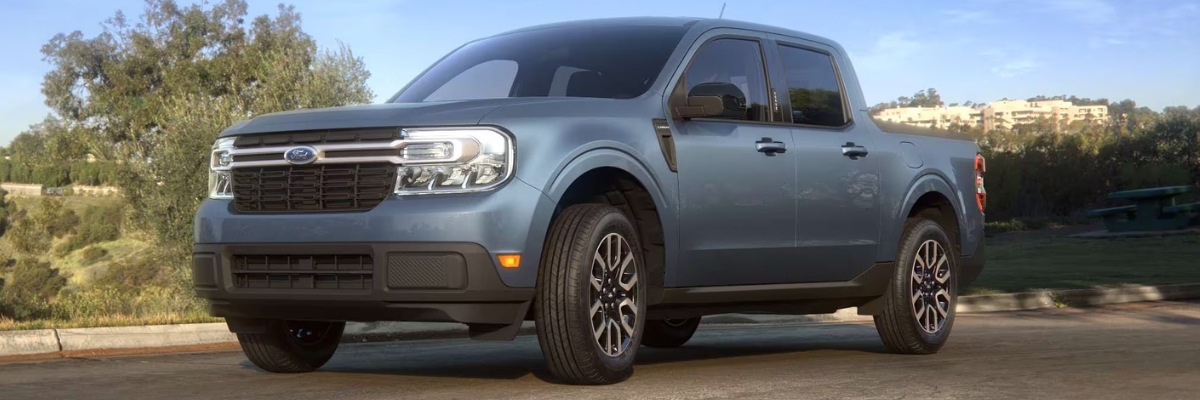
Used Ford Maverick Buying Guide
A used Ford Maverick is the best option for those who want a pickup's utility, but not the size. This compact pickup has surprising capability, and an even better price. We’ll be taking a look at some of the changes over the years to help make sure you get what you need.
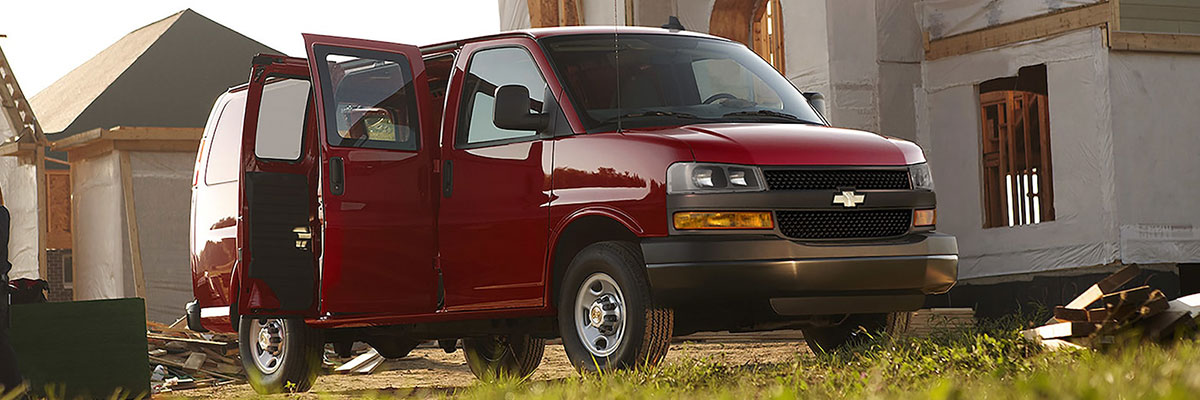
Used Chevy Expess Buying Guide
If you’re needing something that can transport some cargo, we have you covered. The Chevy Express is a reliable option for those who need to keep your cargo safe from the elements. We’ll go over the year changes, as well as what to check when buying a used Chevy Express to make sure you get what you need.
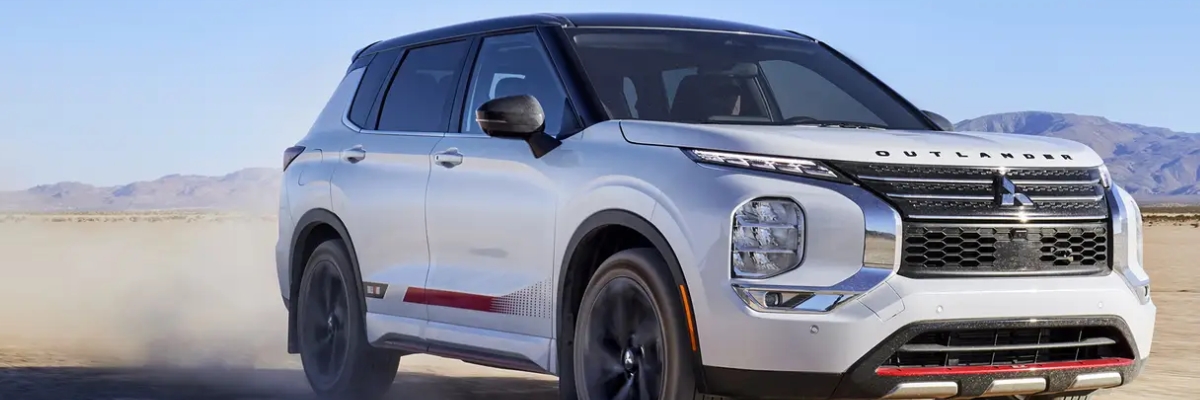
Used Mitsubishi SUV Breakdown
When it comes to the Mitsubishi lineup, there are a few SUVs to pick from. While they are part of the same family, they each have their roles that they fill out. We’ll take a look at these models to see which are the best used Mitsubishi SUV models to buy.
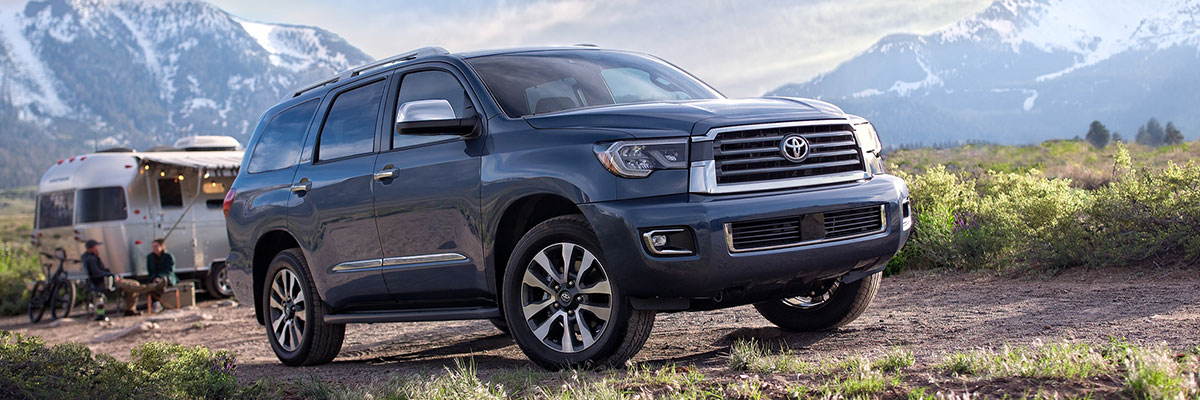
Used Toyota Sequoia Buying Guide
The Toyota Sequoia is named after one of the largest trees in the world. Thanks to this, it was the largest SUV that Toyota has produced for the North American market. This vehicle has been around since 2000, so it has undergone plenty of changes. These are some of the best years for a used Toyota Sequoia.
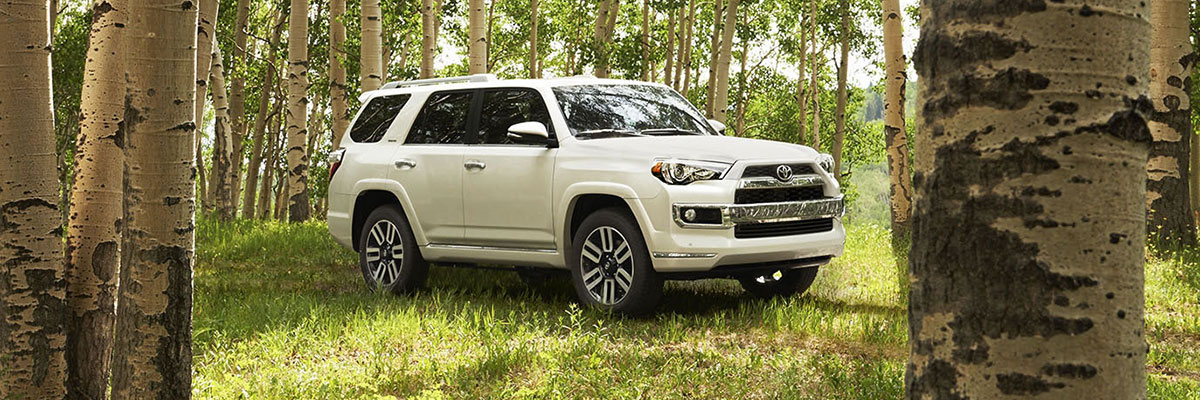
Used Toyota 4Runner Buying Guide
The 4Runner has been in the US since 1984, having two different classes throughout its life. The 4Runner has seen a ton of change. If you’re in the market for a used one, here are a few years and generations of this incredible SUV for you to keep in mind.
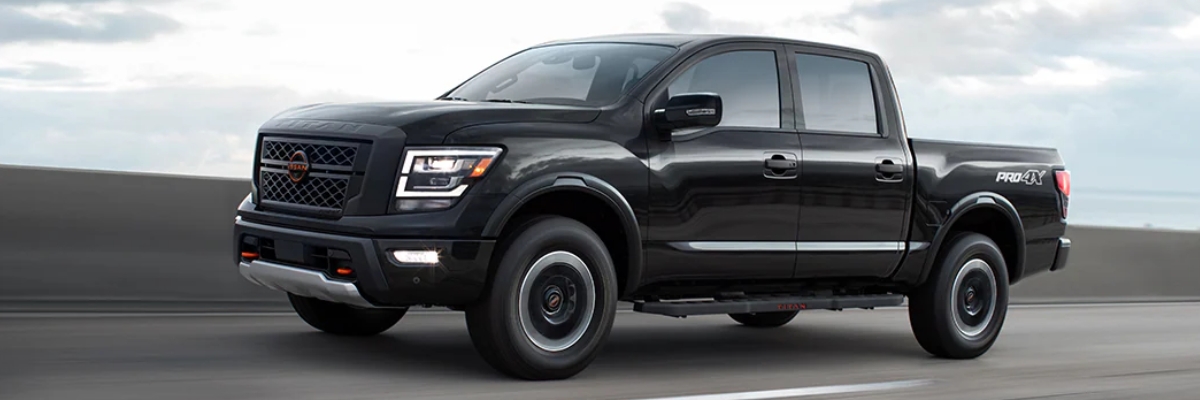
Used Nissan Titan Buying Guide
If you're in the market for a used Nissan Titan, there are plenty of years to pick from. Named after the Greek Titans, this is more than just a truck. We’ll take a look at the generations and different models in between to give you some tips for buying a pre-owned Nissan Titan.
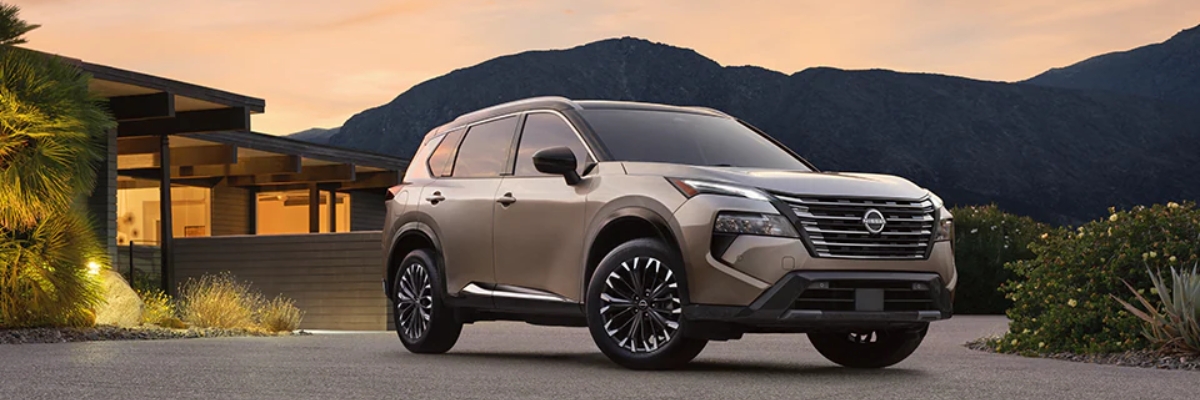
Used Nissan Rogue Buying Guide
Since 2008, the Rogue has been redefining what it means to be a compact SUV. If you’re in the market for a used one, we want to help make sure that you get one that is right for you. Here is what to check before buying a used Nissan Rogue.
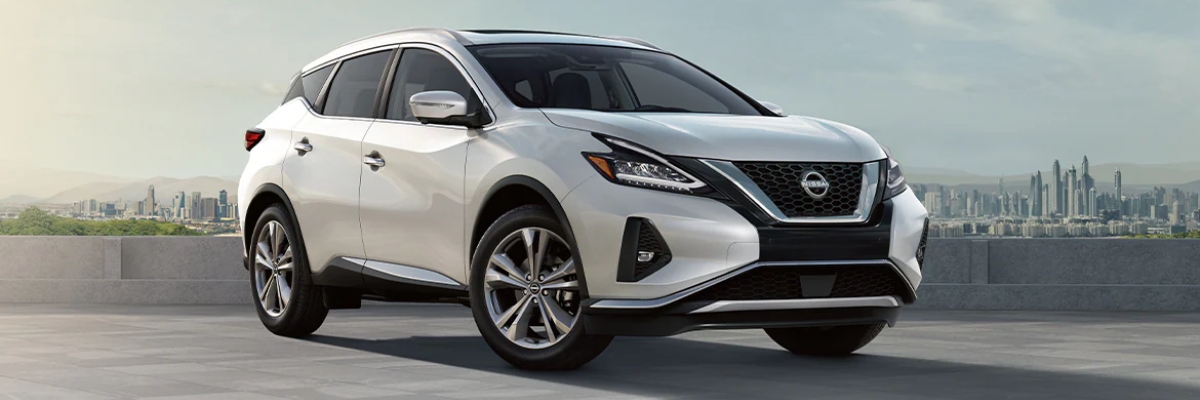
Used Nissan Murano Buying Guide
The Murano has been on the roads since 2003, and it was Nissan’s first shot at a crossover SUV in the North American market. With so many years on the market, it has gone through its fair share of changes to keep it fresh and appealing. These are some of the best years for a used Nissan Murano.
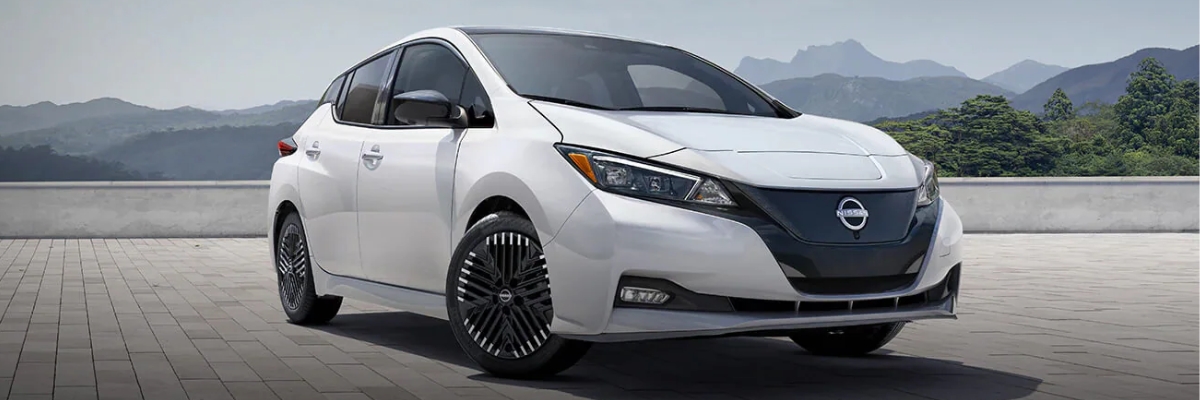
Used Nissan LEAF Buying Guide
The Nissan Leaf has been making the planet greener since its introduction in 2010. Getting its name as the Leading Environmentally-Friendly Affordable Family car, this is one of the best vehicles you can get on the market. Having gone through changes over the years, we’ll look to see what the best year for a used Leaf model is.
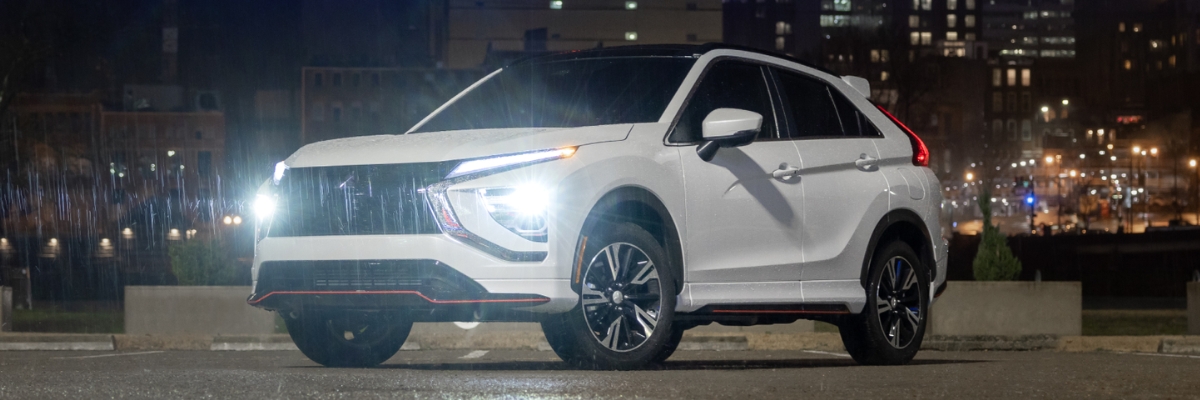
Used Mitsubishi Eclipse Cross Buying Guide
The Eclipse Cross is one of the more recent additions to the legendary Mitsubishi name. While it does have a similar name to an older model, it shares no resemblance to it. Being hinted at in both 2013 and 2015, in 2017, we caught the full look. Here are some things to keep in mind before you hit the lot to get a used SUV.
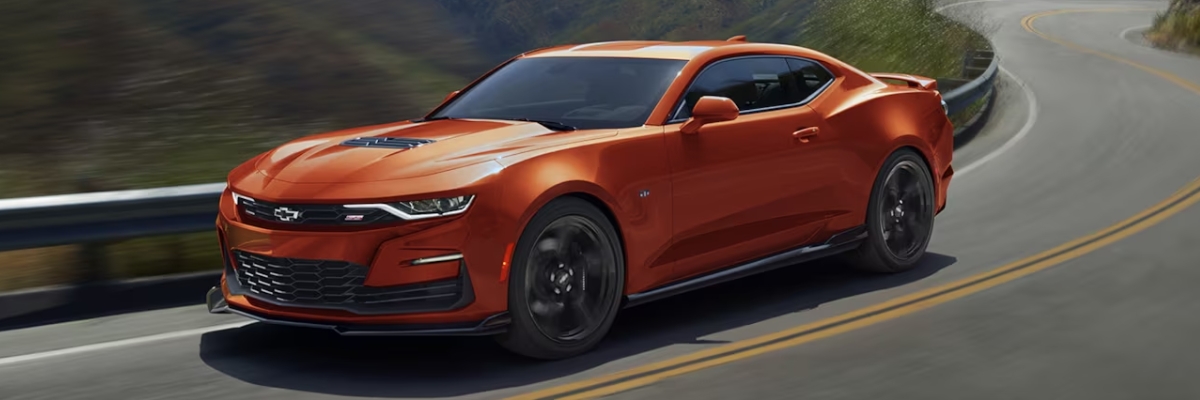
Used Chevy Camaro Buying Guide
The Chevy Camaro was one of the most recognizable muscle cars in the American automotive industry. Coming around when muscle cars were highly competitive, the Camaro withstood much of the competition, but as the market changed over the years, it was time to retire the Camaro. If you're in the market for a used one, then this article is for you. We'll be taking a look at the different generations to see how the Chevy Camaro has changed over the years.
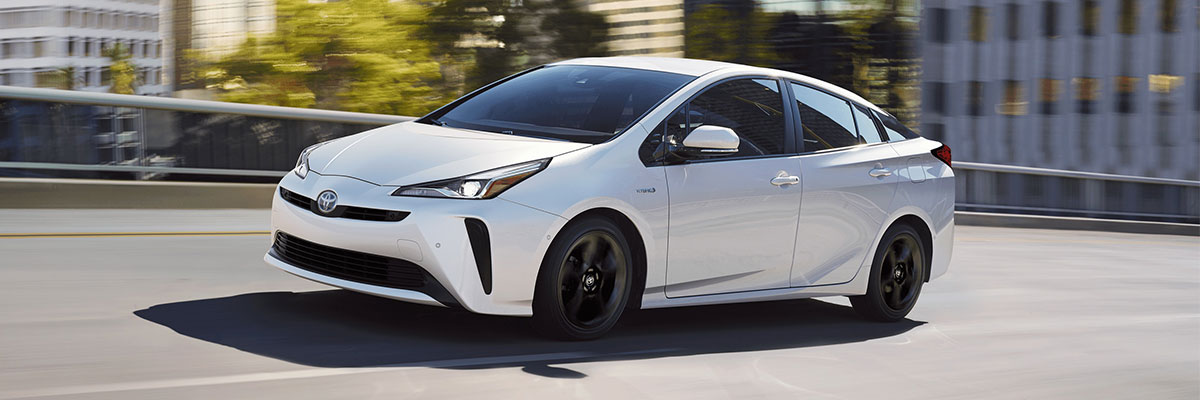
Used Toyota Prius Buying Guide
The Toyota Prius has been around for 20+ years, and with it came some changes to help keep it fresh in the everchanging automotive world. Together we'll look at the different generations and how they differ from one another, also taking a closer look at the changes certain year models have. These are some ways how the Toyota Prius has changed over the years to help give you a better idea on which car is right for you.
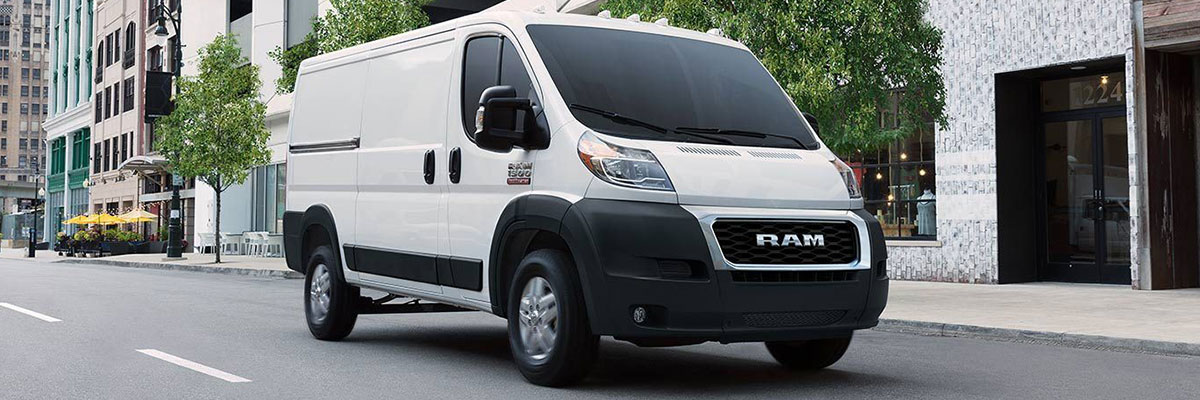
Used Ram ProMaster Van Buying Guide
What are the best years for a used Ram ProMaster van? That's what we're here to find out. If you're a handyman that needs something covered for your equipment, or if you're in a band looking for a rockin’ vehicle to keep your gear in, this is the one for you. Let's take a closer look at the ProMaster.

Used Ram 2500 Buying Guide
The Ram 2500 has been around for a few decades, and has seen some changes in its life as a work truck. If you're in the market for a used Ram 2500, chances are you want something that can get work done, and maybe even get dinged up without worrying much about it. Here is how the Ram 2500 has changed over the years.
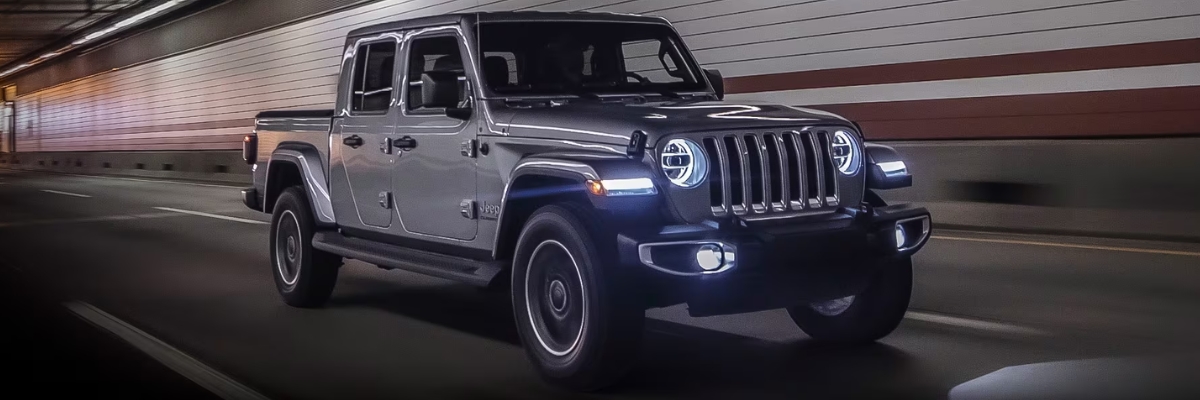
Used Jeep Gladiator Buying Guide
The Jeep Gladiator has been around for a few years, and it's a nice way to have a pickup, while still being in the Jeep family. Together, we'll take a look at how the truck has changed over the years to see which one is the best for you.
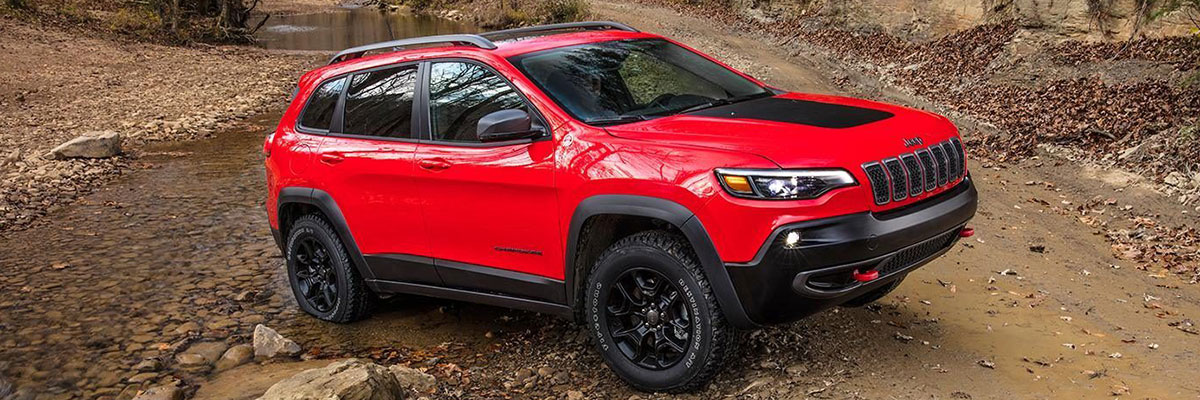
Used Jeep Cherokee Buying Guide
The Cherokee was one of Jeep's longest running models, but that came to an end in 2023. With nearly 5 decades of models, a lot has changed over the years, and that's what we're here to look at how this SUV changed. If you're in the market for one, chances are you want something a bit more practical for you, and the family. This is how to choose a used Jeep Cherokee for family road trips.
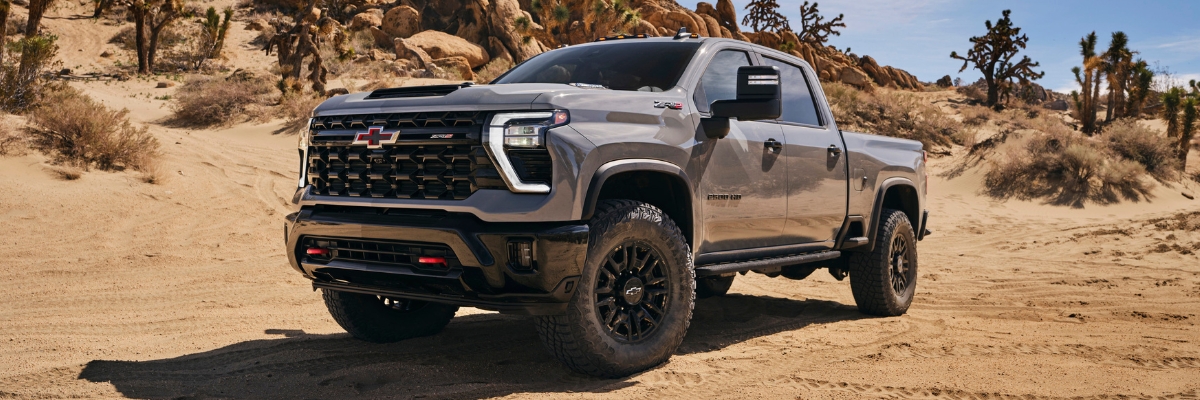
Used Chevy Silverado HD Buying Guide
The Silverado HD is one of America's best heavy duty pickups. Not only is it versatile, and dependable, it looks good doing it. If you're in the market for one, you want something reliable, and here at Jarrett we have just that. Here are which used Chevy Silverado HD models are the best for towing as well as some more general aspects of the truck.
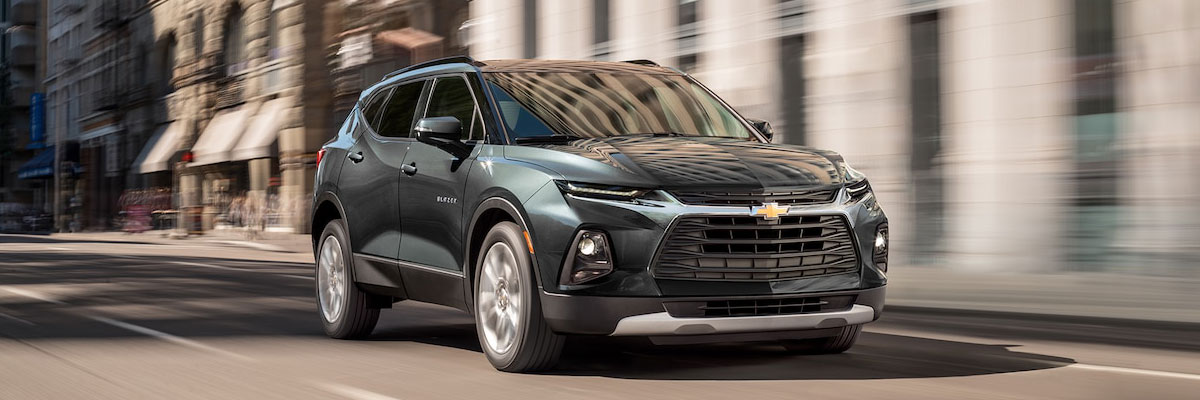
Used Chevy Blazer Buying Guide
The Chevy Blazer has been around since 69’, and if you're in the market for a used one, then you're in luck. While it had a brief hiatus in the mid 2000s, it came back in 2019. Here is what to look for when buying a used Chevy Blazer to make sure you're getting what you want from this SUV.
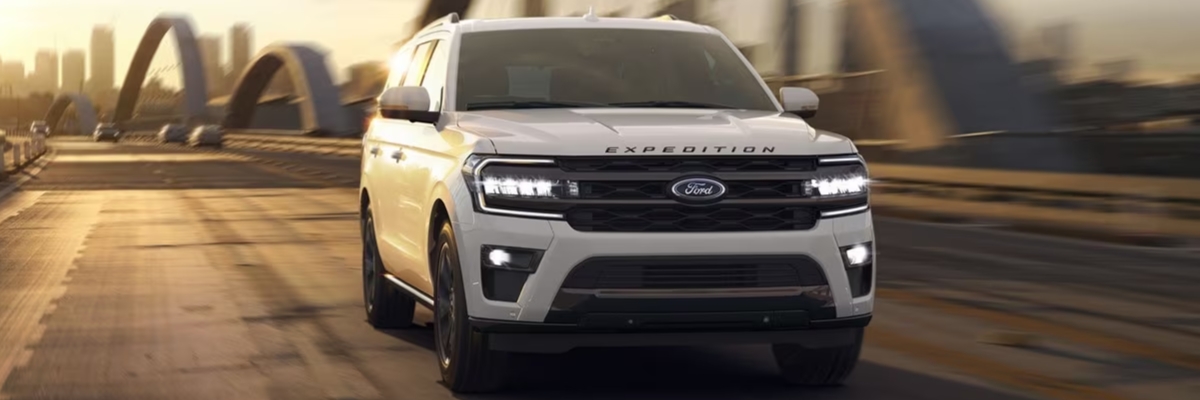
Ford Expedition Used Buying Guide: Known Issues
When you’re shopping for a used Ford Expedition, it’s a good idea to know what you’re getting yourself into! Our used buying guide walks you through some common issues we’ve seen in these full-size SUVs.
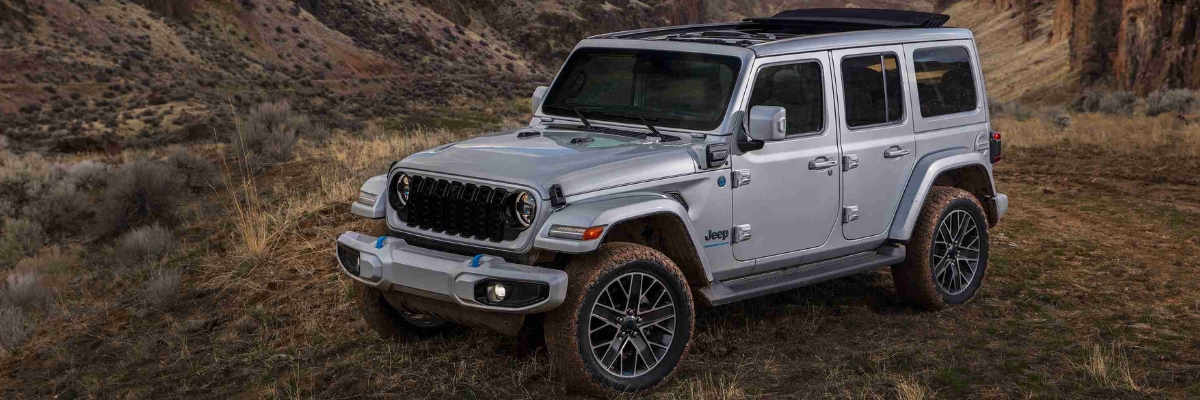
Used Jeep Wrangler Buying Guide
To help you select the right model year for your adventures, we’re here to highlight the used Jeep Wrangler evolution. These off-road-ready SUVs have always been ready for action, but they’ve only gotten more powerful and high-tech over the years. Let’s take a look.
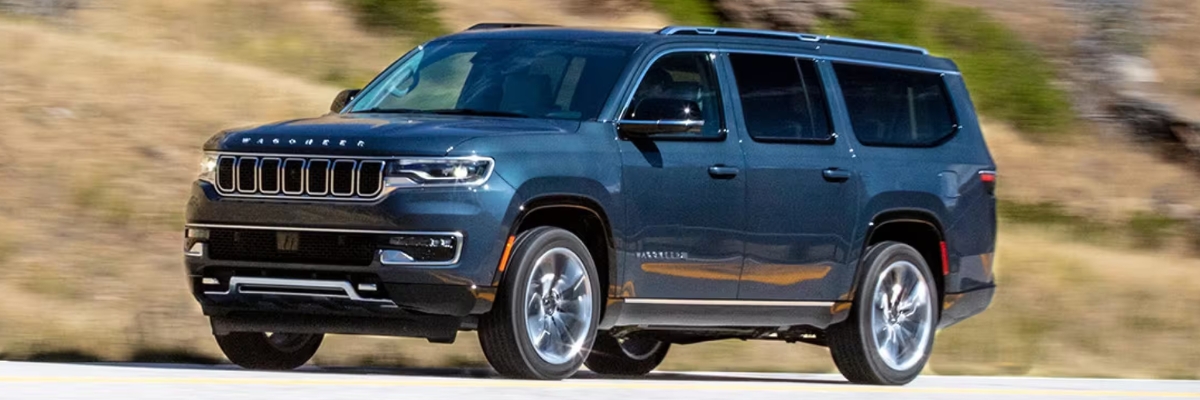
Used Jeep Wagoneer Buying Guide
Like a lion in repose, the used Jeep Wagoneer is the epitome of strength and style. Not only do these upscale full-size SUVs transport your personal pride in complete luxury, but they’re also up for all your wild adventures.
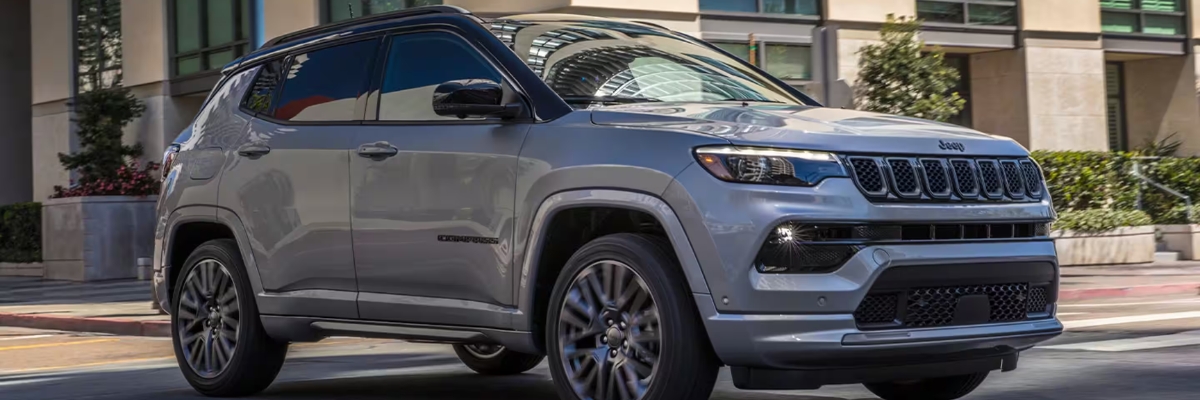
Used Jeep Compass Buying Guide
Used Jeep Compass benefits come at a great price. And those benefits run the gamut! This compact crossover delivers everything from comfy everyday cruising to rugged, off-road adventure.
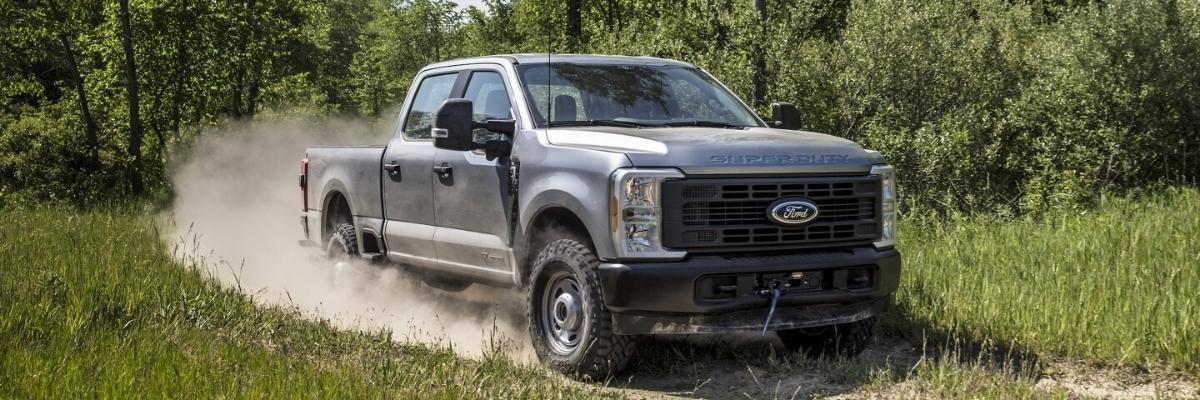
Ford Super Duty Used Buying Guide: Known Issues
Get informed about common mechanical issues that can affect Ford Super Duty trucks! Our used buying guide helps you figure out what to watch out for as you browse the market.
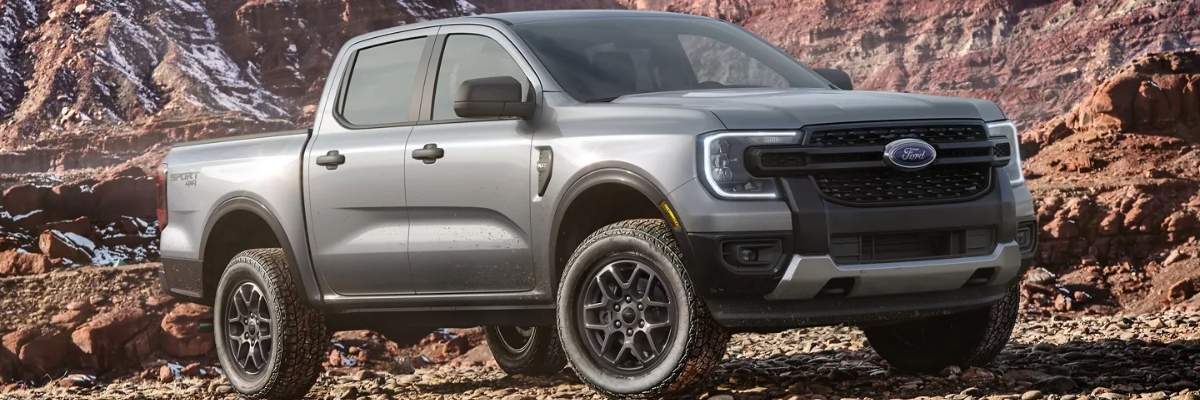
Ford Ranger Used Buying Guide: Known Issues
Overall, the used Ford Ranger is dependable and durable — but there are a few things you need to know before you shop for one of these midsize trucks! Our used buying guide takes a close look at the Ranger’s known issues.
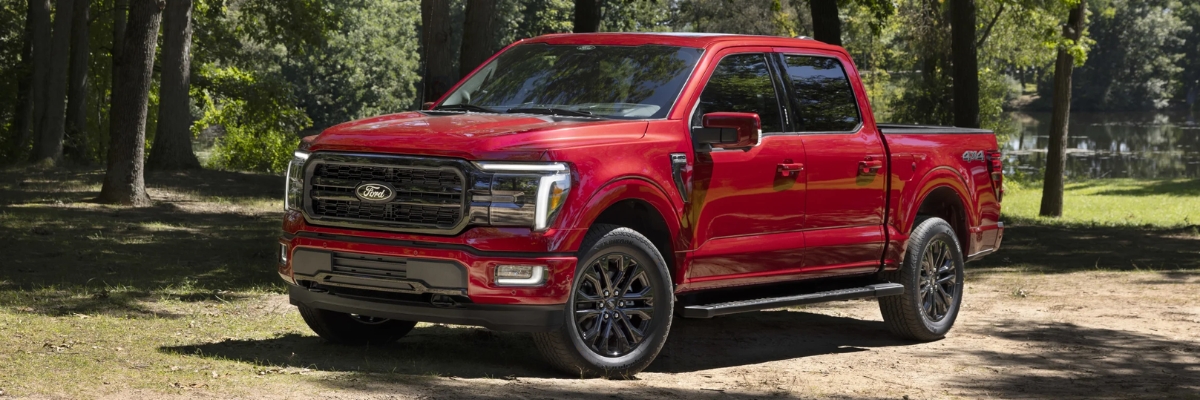
Ford F-150 Used Buying Guide: Known Issues
Looking for a buyer’s guide to potential mechanical issues in used Ford F-150 trucks? You’ve found it! We’re here to help you select a used light-duty trucks free from any known issues.

Ford Bronco Used Buying Guide: Known Issues
How reliable is the Ford Bronco? We’ve created a buyer’s guide to potential mechanical issues in used Ford Broncos, helping you make an informed decision.
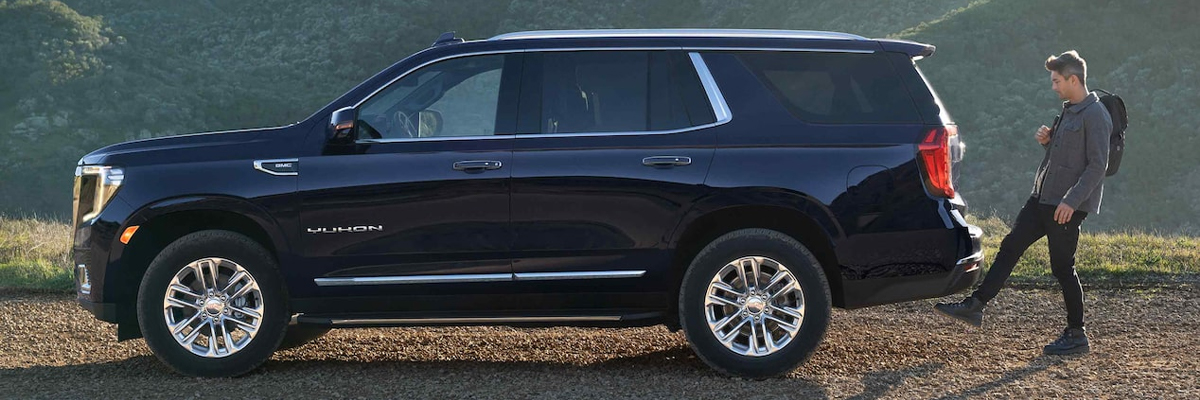
Used GMC SUV Breakdown
When it comes to GMC SUVs, there’s a few to pick from, and they tend to have their own separate roles in the family. In this article we will be comparing different models and features in used GMC SUVs to help give you a better idea on what to look for before you buy. There are a few things to know about used GMC SUVs,and that there’s two kinds to pick from. There’s those models that are still being produced, meaning that you will be able to find newer used models, and those that are no longer b
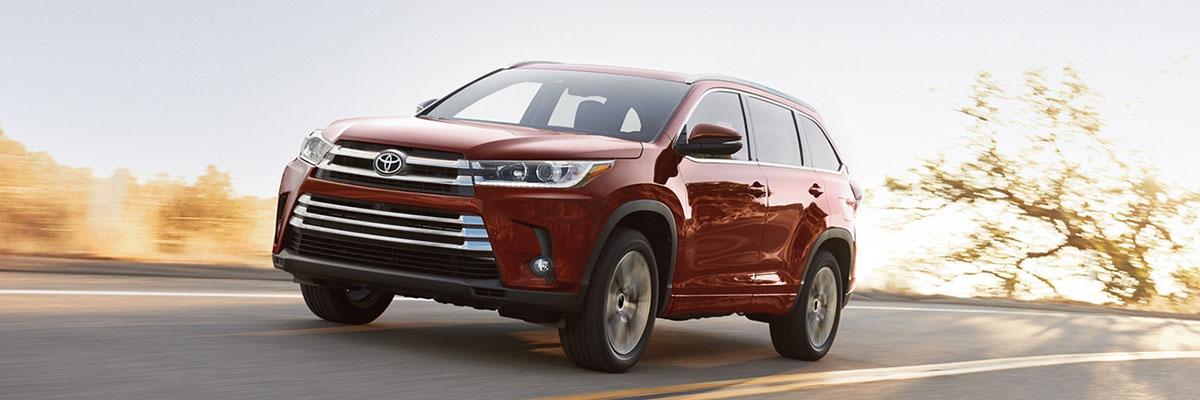
Used Toyota Highlander Buying Guide
If you’re looking for the best vehicle for you and your family, then the Toyota Highlander is for you. Here at Jarrett, we’re dedicated to helping you get the best vehicle possible. We’ll show you why the used Toyota Highlander is a top choice for families.
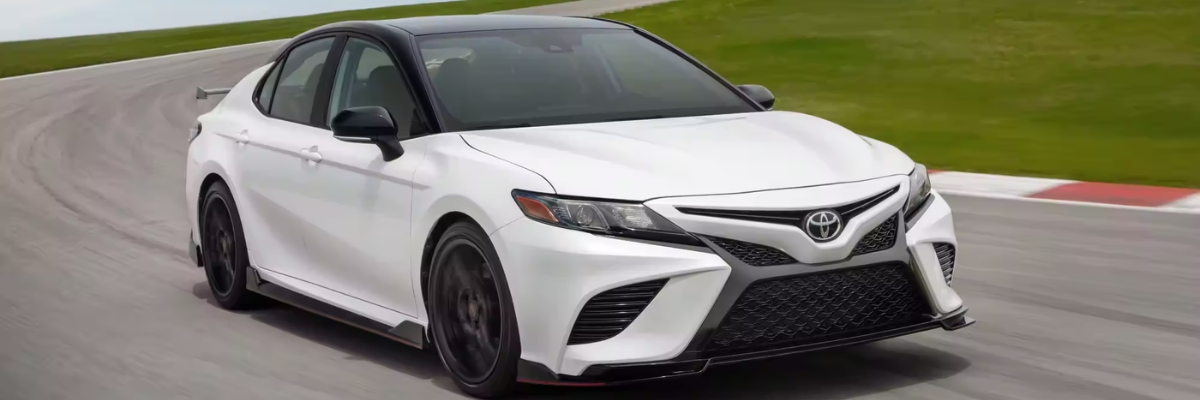
Used Toyota Camry Buying Guide
The Camry is one of the most well-known vehicles that Toyota has in store. Being this this is a world vehicle; it shares most of the same designs regardless of the market that is in. Together, we’ll break down some important factors to look for in a used Toyota Camry.
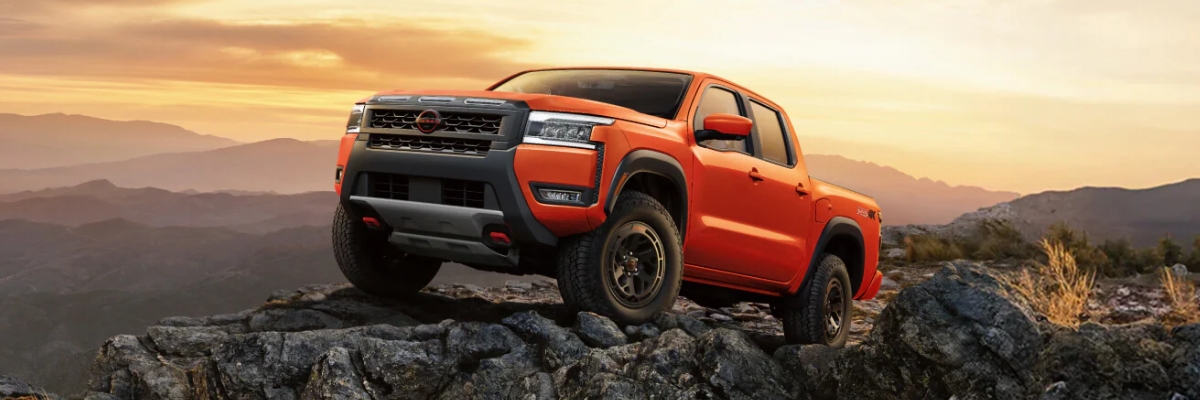
Used Nissan Frontier Buying Guide
How to Choose the Right Used Nissan Frontier for Your Needs. The Nissan Frontier has an interesting history, having shared models across the globe, it was only recently when the Frontier gained a dedicated model for the North American market. If you’re wanting something more unique, or want something that has a bit of legacy, we’ll break down their differences to give you the best understanding possible to show you how to choose the best used Nissan Frontier to fit your needs.
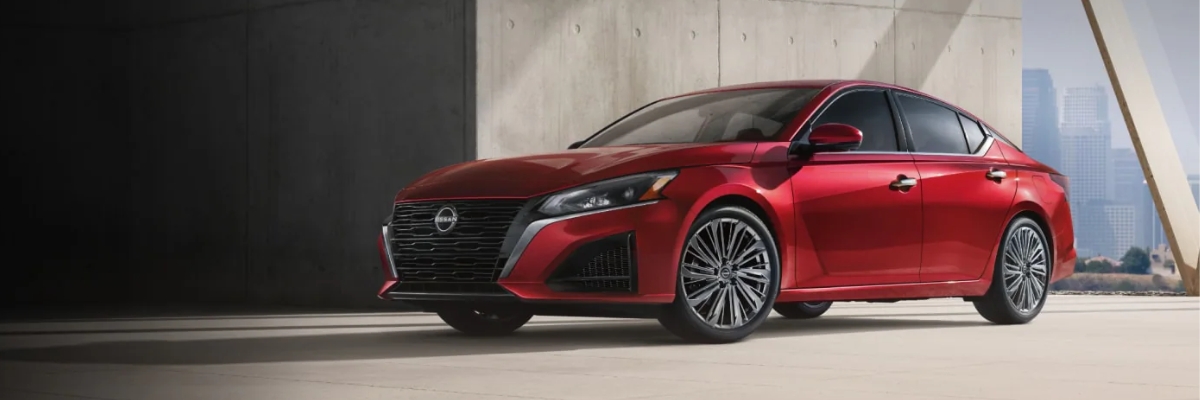
Used Nissan Altima Buying Guide
The Nissan Altima has seen its fair share of changes having been around since 1992. Originally introduced to continue the Bluebird line, over the decades, the Altima became something special on its own. Together we’ll break down some key features to consider when buying a used Nissan Altima.
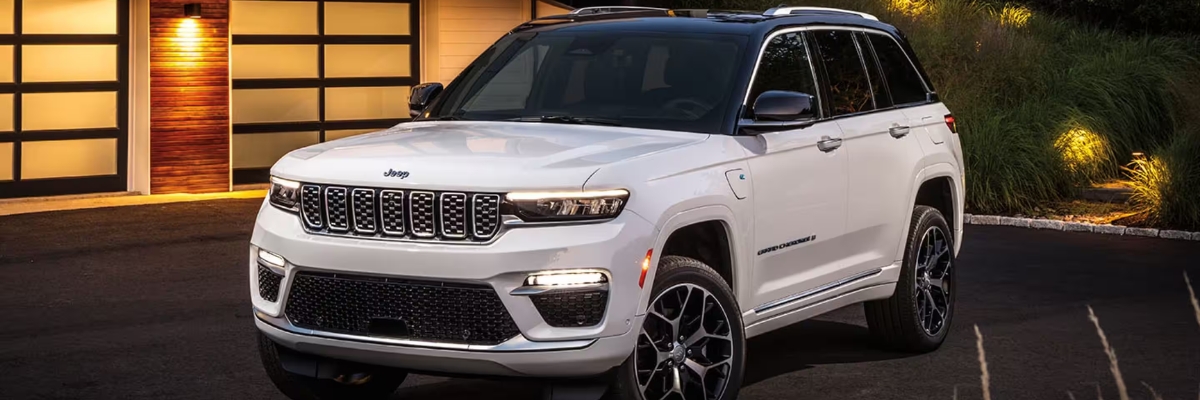
Used Jeep Grand Cherokee Buying Guide
When it comes to vehicles that are known for their off-road capabilities that look good doing it, the Jeep Grand Cherokee is towards the front of the pack. This article will be a buying guide for adventure seekers interested in a used Jeep Grand Cherokee to help ensure you know exactly what you want before you even come see us.
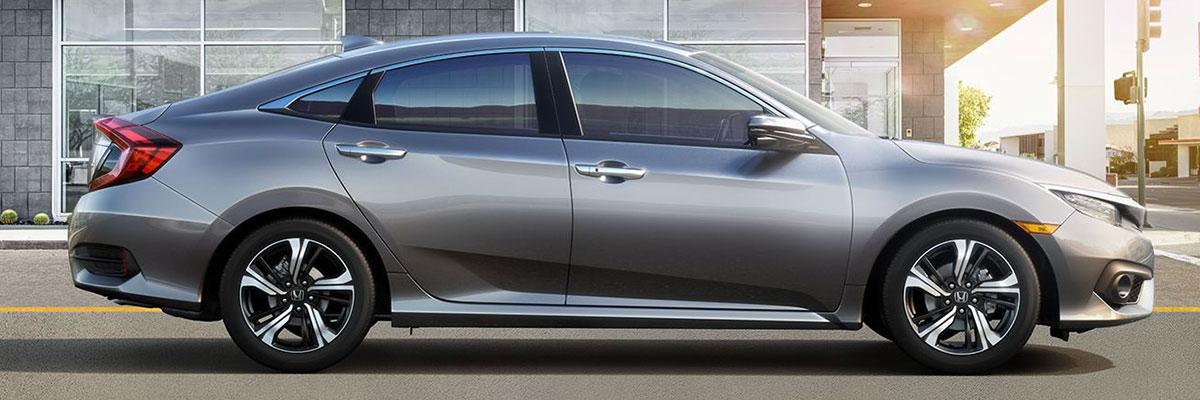
Used Honda Civic Buying Guide
The Honda Civic is one of the most recognizable vehicles on the market. Having been around for 5 decades, this car has solidified its spot in the automotive industry. In this article we’ll show you what to know about reliability and pricing before buying a used Honda Civic.
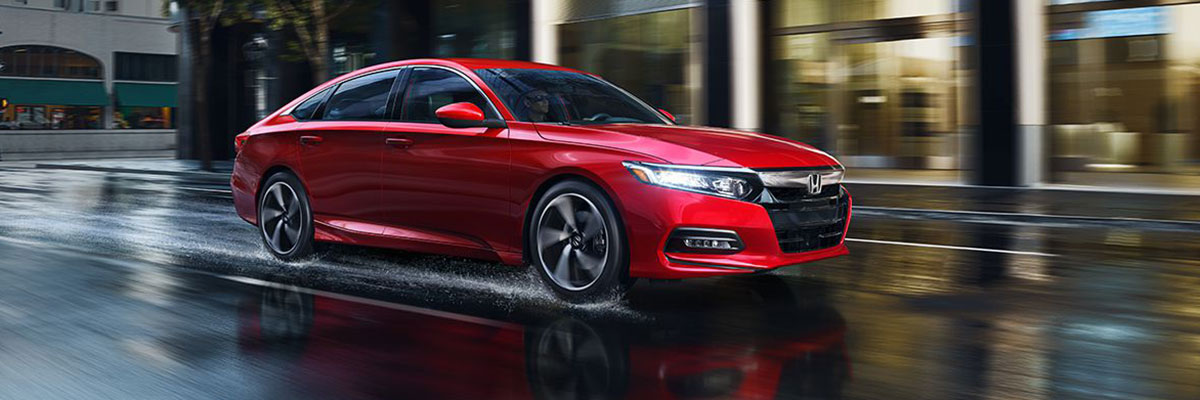
Used Honda Accord Buying Guide
The Honda Accord is one of Honda’s best-selling vehicles. This makes it perfect if you’re wanting a used model as it makes it easier to find. With having been around nearly 5 decades, there’s more than enough for you to pick from. Together we’ll make a complete guide to purchasing a used Honda Accord.
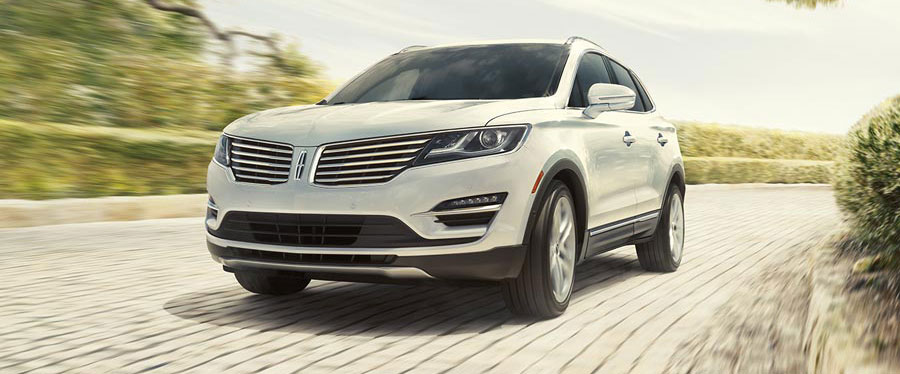
Used Lincoln MKC Buying Guide
The Lincoln MKC is a compact premium sport-utility bandwagon. It boasts a sleek design and luxurious feel in its drive and interior setup. This SUV was introduced to the market in 2015 and was discontinued, being replaced by the Lincoln Corsair in 2020. Trying to buy a used car can get confusing trying to keep track of all the updates, features, and important details. This guide is made to help you get a better understanding of this sporty SUV. Keep reading to learn more about its updates and
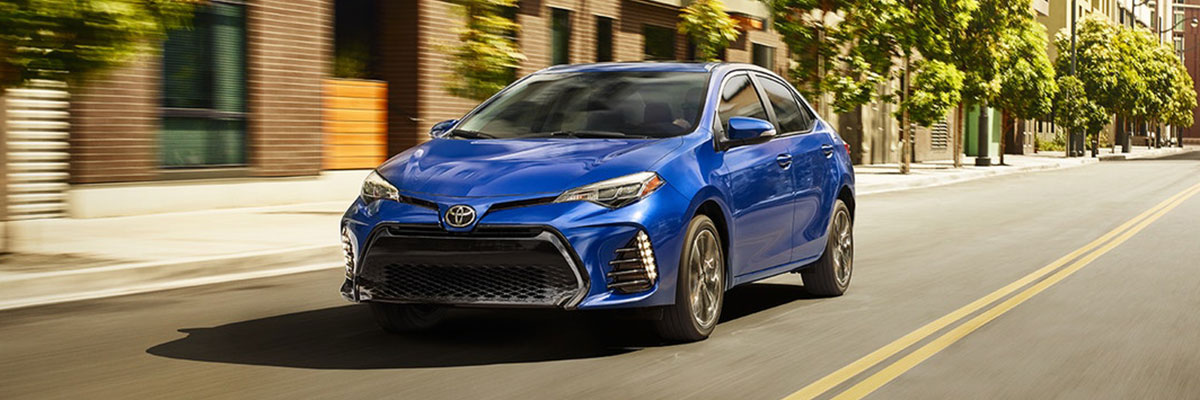
Used Toyota Corolla Buying Guide
When deciding to buy a used Toyota Corolla, it can be hard to pinpoint exactly which car has everything you want. Being knowledgeable about what you’re looking for is important if you want to get the “best results.” This used buying guide will help you better understand the features and updates that come with every generation of this car.
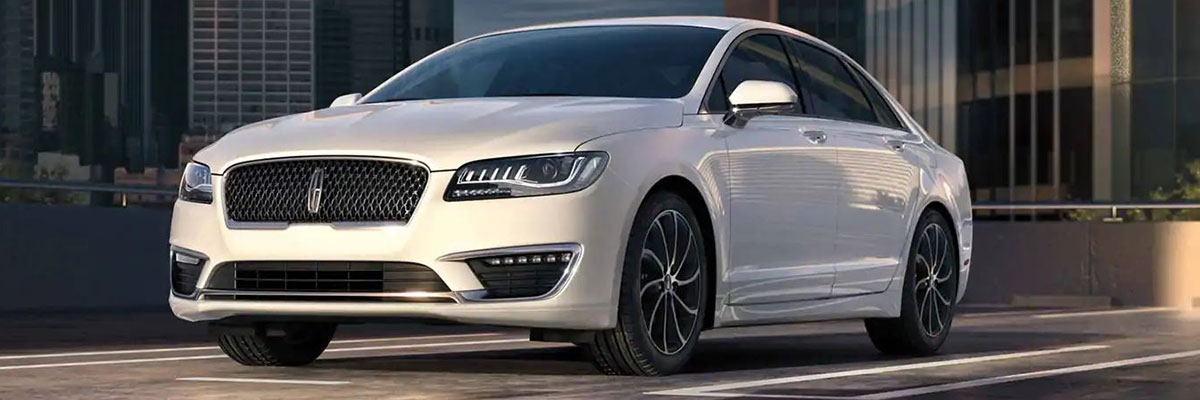
Used Lincoln MKZ Buying Guide
The Lincoln MKZ is a luxury-focused sedan with a high-class design and started its first generation launch in 2006. This car has seen 2 generations each showing their own updates and features to enhance the car's performance, style, and feel. Shopping for a used car can be difficult because of all the excess amount of information. This used car guide will show the updates and features of the MKZ through the years, so read on to learn more.
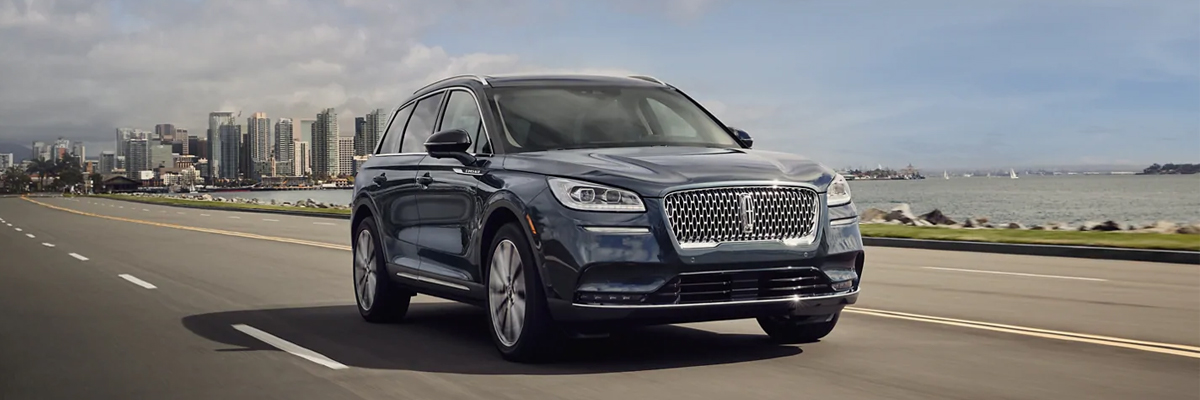
Used Lincoln Corsair Buying Guide
The Lincoln Corsair provides a high-end deluxe driving experience with its classy interior and exterior design. This compact SUV came into play in 2020, replacing the former Lincoln MKC. This car launched with two trim options available, the Standard trim and the Reserve trim, and grew to include its Grand Touring plug-in hybrid option. If you’re looking for a compact SUV that delivers a premium experience with a sophisticated feel, then this SUV is for you. Read on for a guide on used Lincoln
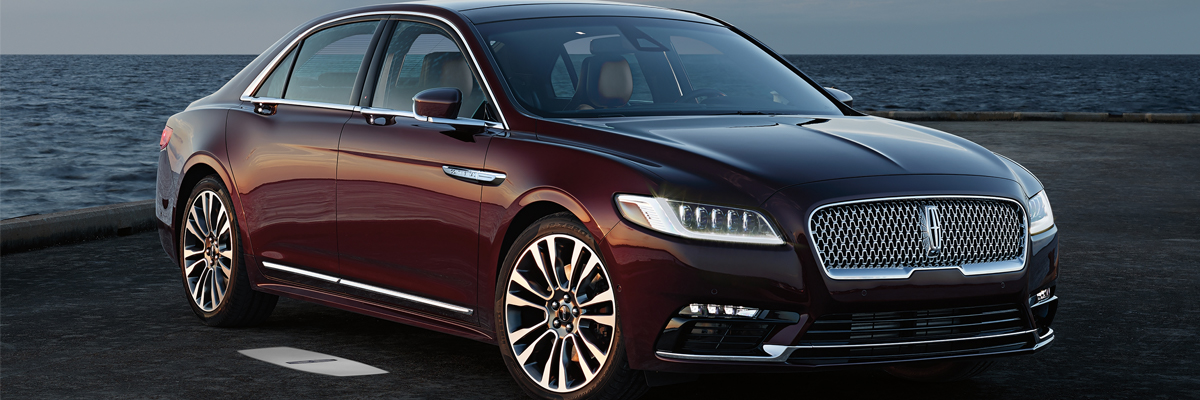
Used Lincoln Continental Buying Guide
The Lincoln Continental is a luxury full size sedan that focuses on its stylish design and comfort. The Continental was in production for over 55 years with its debut in 1940. This used car guide will look into the generations of this car to provide greater insight into how it could fit your needs. If you are looking for a reliable car that brings a luxurious and high-end feel, then keep reading to learn more.

Used Ford Mustang Buying Guide
The Ford Mustang is a sports car with a beautiful design every year. This car has improved time and time again to deliver the best performance possible. We are going to look at the past and current generations of this sports car, diving into the details of its updates and history. If you want a classic sports car that’s recognized for its style and performance everywhere, keep reading.
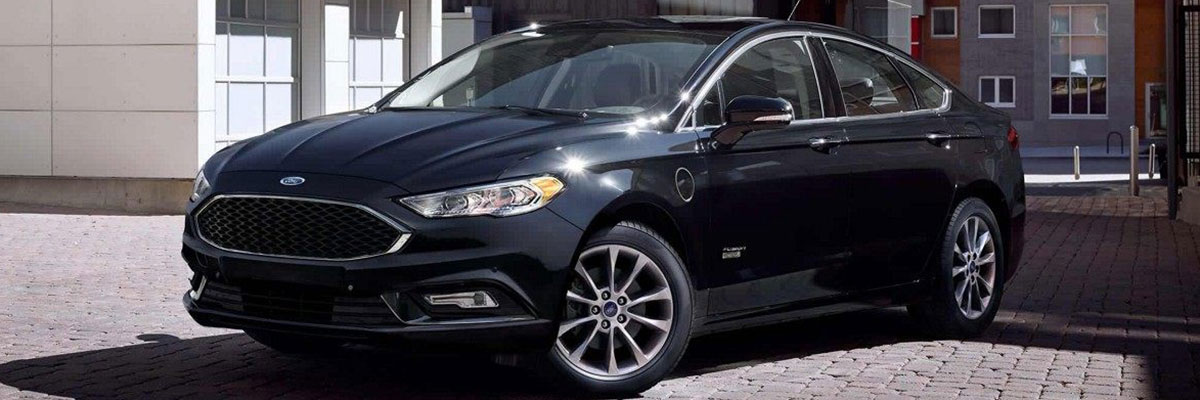
Used Ford Fusion Buying Guide
The Ford Fusion is a mid-size car that ran from 2006 and ended production in 2020. The Fusion offered gas, gas/electric hybrids, and gas/plug-in electric, making it a versatile vehicle for any use. The Ford Fusion provided a comfortable and reliable ride. Let's look at the Ford Fusion throughout the years to get a better understanding.
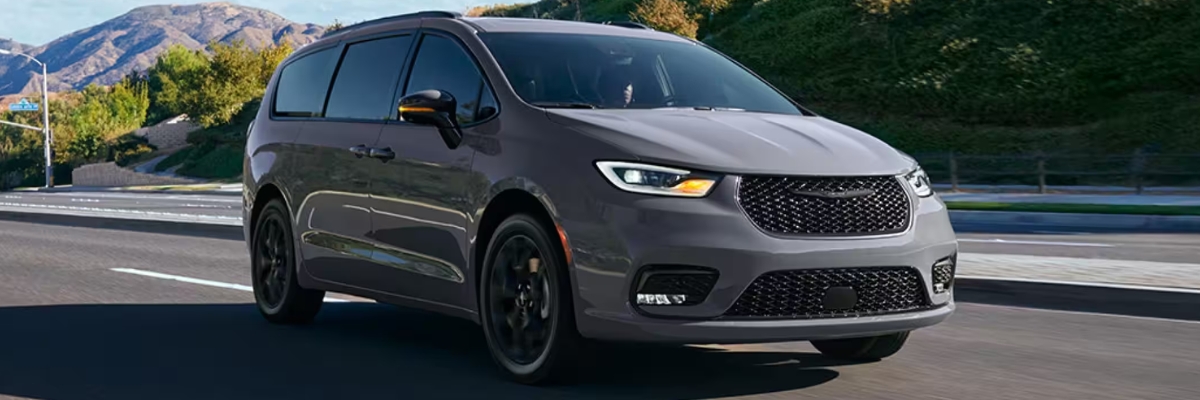
Used Chrysler Pacifica Buying Guide
The Chrysler Pacifica is a spacious family car with comfort and practicality at its forefront. This minivan is positioned as the higher-end minivan in the Chrysler lineup and has replaced the Town and Country model since 2017. Looking for a used car can become overwhelming with the wave of options and information available. This guide will help you learn more about this minivan to aid in your decision, so keep reading to learn more.
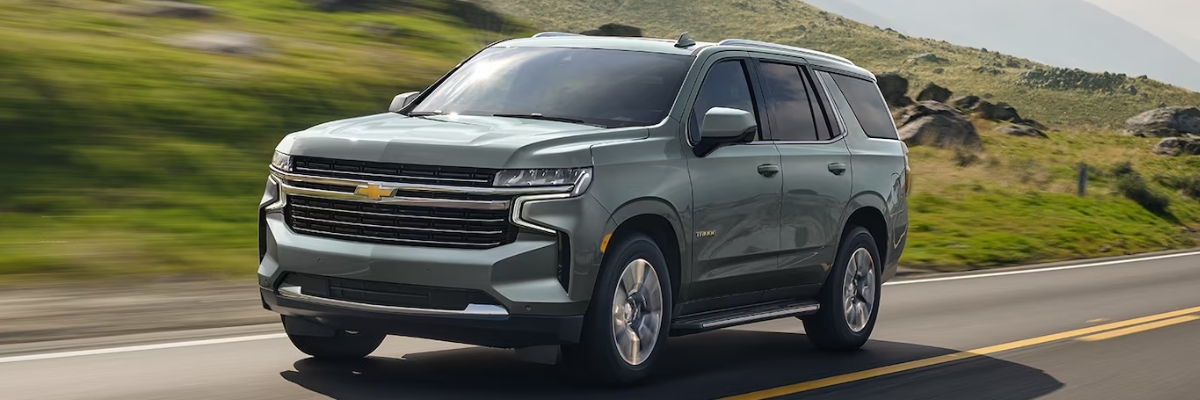
Used Chevy Tahoe Buying Guide
Since 1995, the Chevy Tahoe has been America’s beloved SUV and has also appeared in at least one film and television show every year since its debut. Next to the Chevy Suburban, which has its own Walk of Fame star, the Chevy Tahoe is one of the most famous and recognizable SUVs on the road.
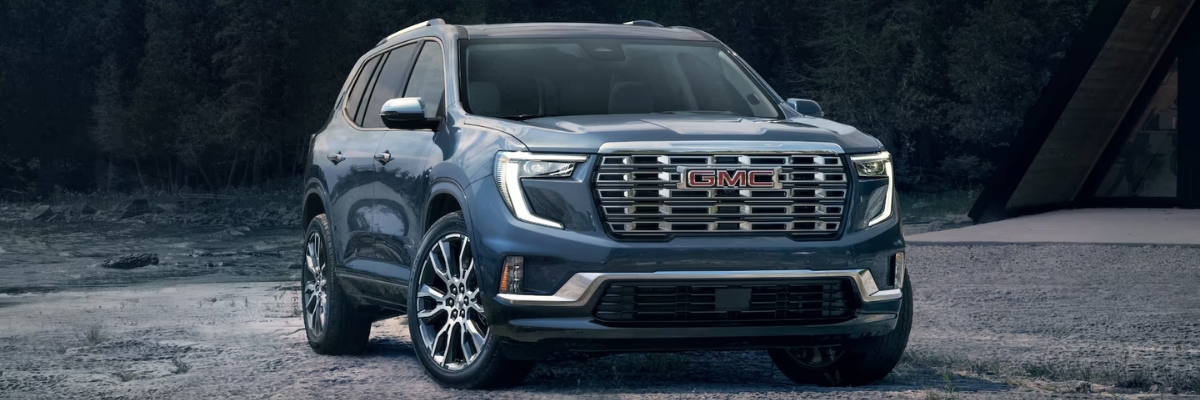
Used GMC Acadia Buying Guide
Introduced in 2006 as a full-size crossover SUV, the GMC Acadia is now in its third generation of production and is a three-row mid-size SUV. The 2024 GMC Acadia is available in three models: Elevation, AT4 (AWD only), and Denali. Whether you are shopping for new or used GMC Acadia models, these crossover SUVs offer ample space for cargo and seven passengers and can tow a trailer weighing up to 5,000 pounds.
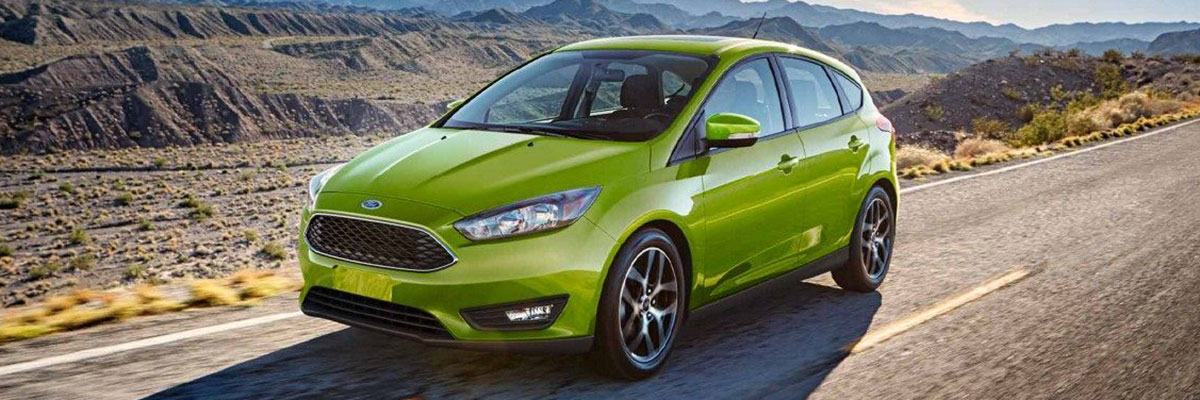
Used Ford Focus Buying Guide
The Ford Focus was first introduced in America for the 2000 model year launch. Its success in Europe as a compact car was a big draw for the model's arrival in America almost twenty-five years ago.
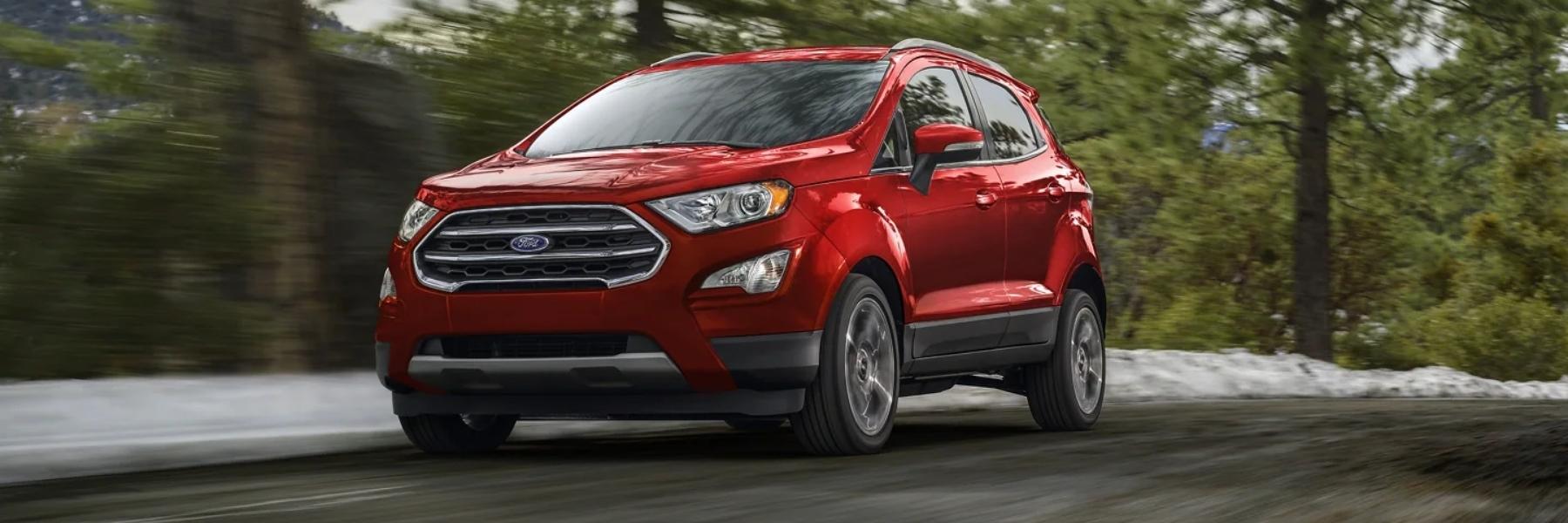
Used Ford EcoSport Buying Guide
The Ford EcoSport was a popular subcompact crossover SUV in Brazil before it was introduced in the USA in 2018. Taking style and design notes from the Ford Fiesta, the EcoSport was compact but preceded the Ford Maverick and couldn’t sustain itself in a market where the demand for a compact truck was greater than that for the subcompact SUV.
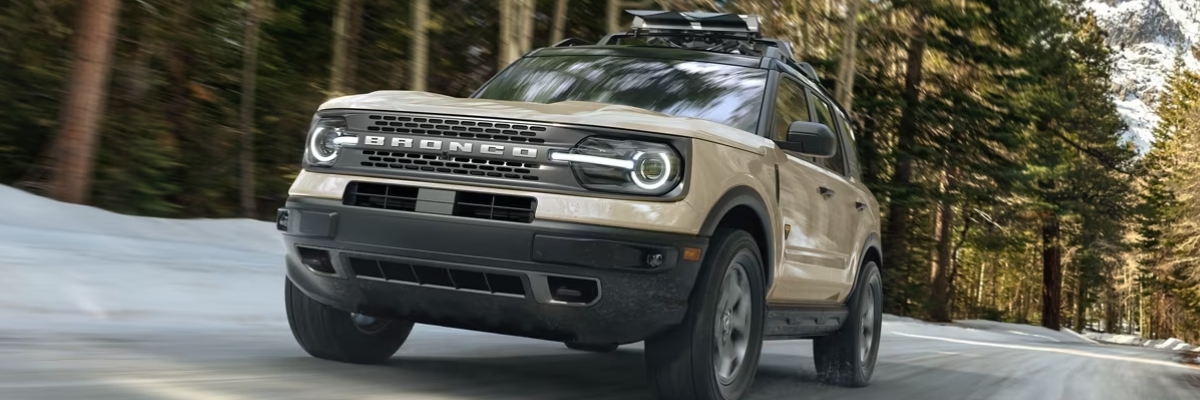
Used Ford Bronco Sport Buying Guide
The Ford Bronco Sport was first introduced for a 2021 model launch as part of the sixth generation of Ford Bronco production. The Ford Bronco Sport is a 5-door compact crossover SUV, smaller than the Bronco, that is an off-road, front wheel drive (FWD) SUV.
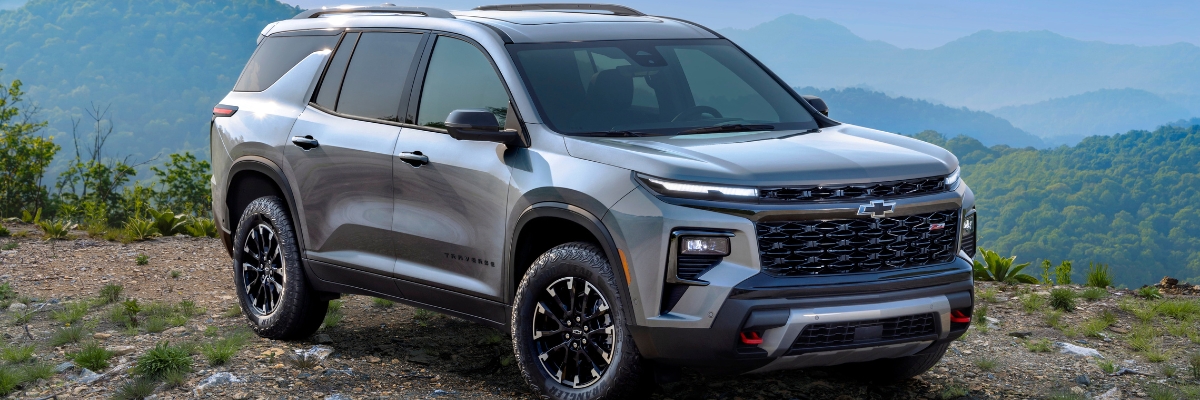
Used Chevy Traverse Buying Guide
The Chevy Traverse is a full-size SUV with three rows of seating that replaced the Chevy TrailBlazer in 2009. Although the Trailblazer returned after a twelve-year hiatus, the Chevy Traverse has seen continued success as a full-size crossover SUV.
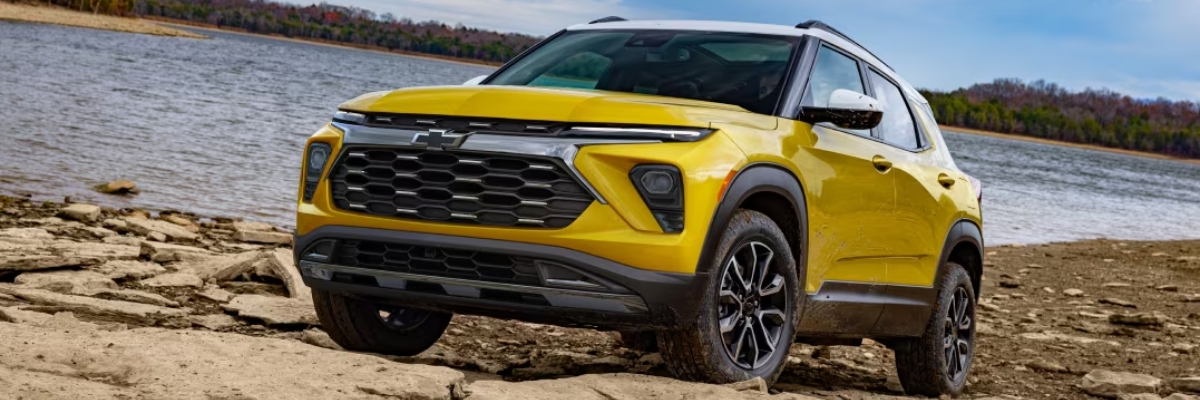
Used Chevy Trailblazer Buying Guide
The Chevrolet Trailblazer (previously TrailBlazer) was originally an upscale trim for the 1999 Chevrolet S-10 Blazer LT. The Trailblazer was such a popular standout that Chevy gave this mid-size SUV its own lane and launched the 2002 TrailBlazer four-wheel drive (FWD) model.
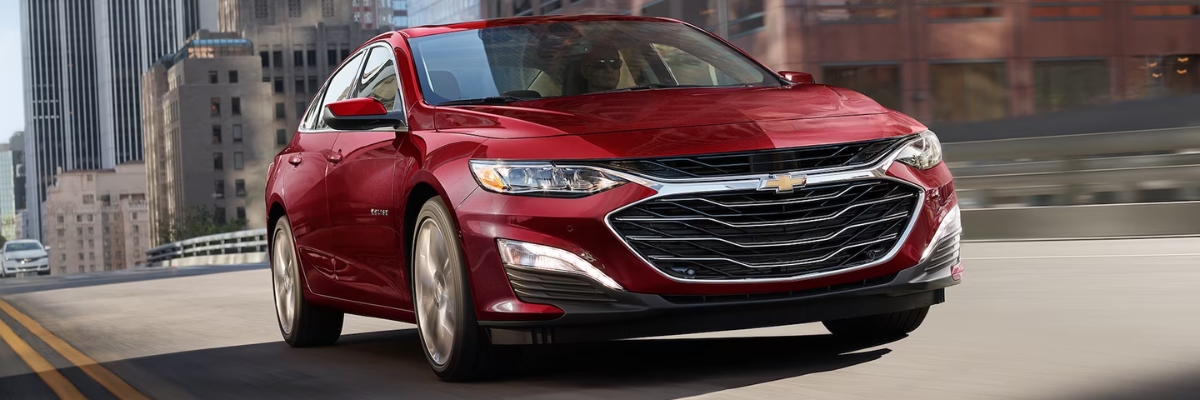
Used Chevy Malibu Buying Guide
Looking back on the history of Chevrolet’s mid-sized vehicles is like walking down a memory lane of cars right out of a book of coffee table book classics.
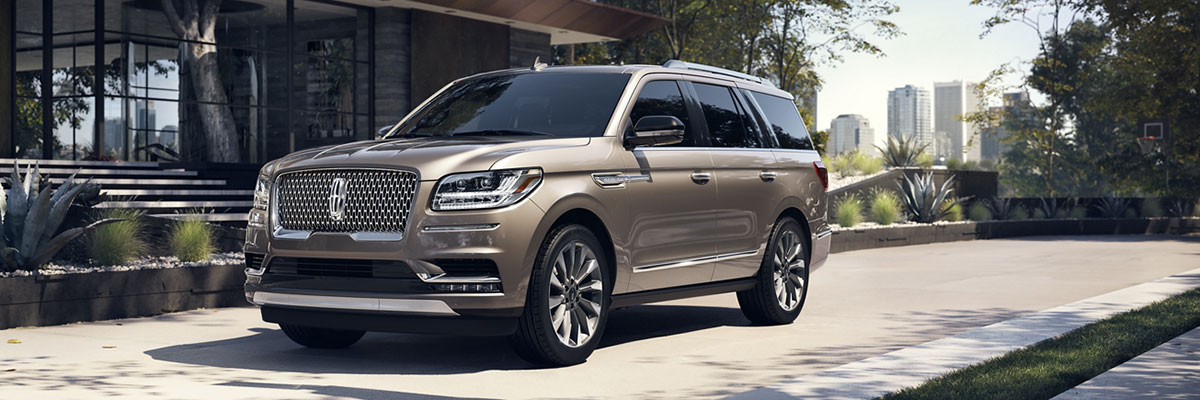
Used Lincoln Navigator Buying Guide
The Lincoln Navigator has been around nearly 3 decades, and if you’re wanting one that isn’t new, then this article is for you. We’ll take a closer look at the different generations, and the changes they come with to give you a better idea how they differ.
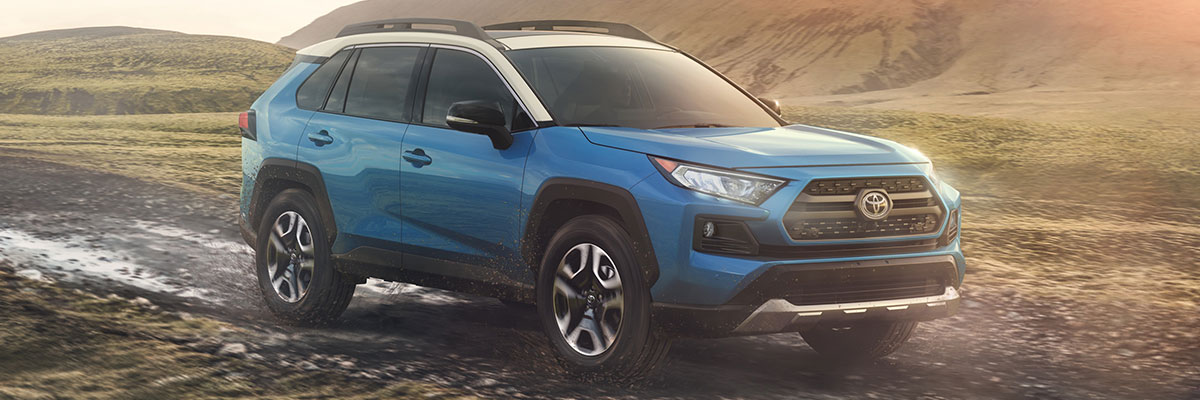
Used Toyota RAV4 Buying Guide
The Toyota RAV4 has been a mainstay in the Toyota family for almost 3 decades. There’s been some changes throughout its life, but the one thing that has remained the same is its reliability. Let’s take a look at how the vehicle changed through its life and why it remains one of the best vehicles on the market.
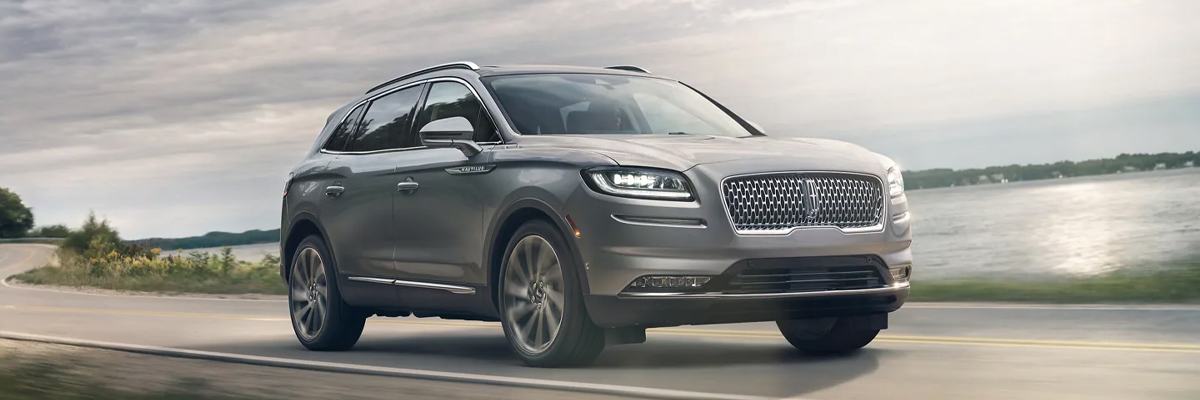
Used Lincoln Nautilus Buying Guide
If you’re wanting a Lincoln Nautilus but don’t want to jump in head first for a new model, then buying used is what you want. The Nautilus as we know it today has only been around for a few years, but it was around long before that under a different name. We'll take a closer look at what made the Nautilus a worthwhile addition to the Lincoln family.
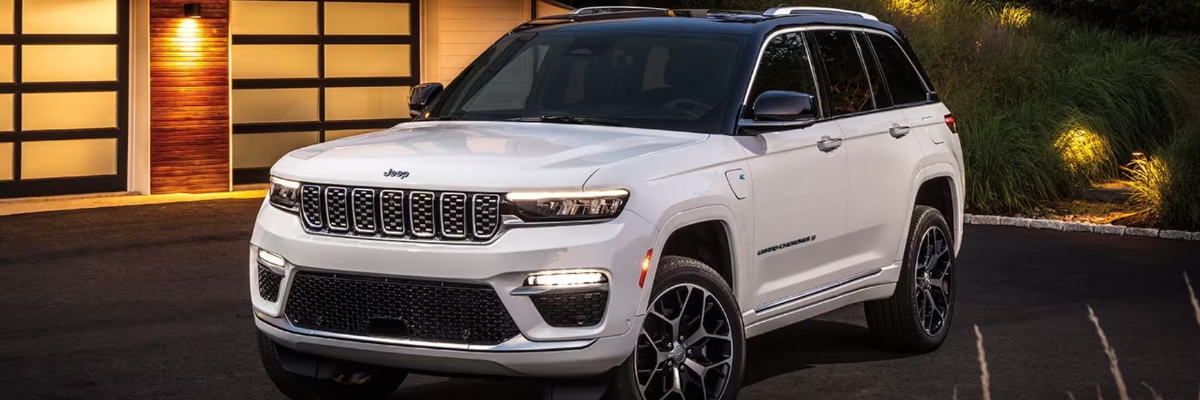
Used Jeep SUV Breakdown
When looking at the Jeep family, there’s a few options for you to look at. We’ll take a closer look at what makes each vehicle unique and where they differ from one another.
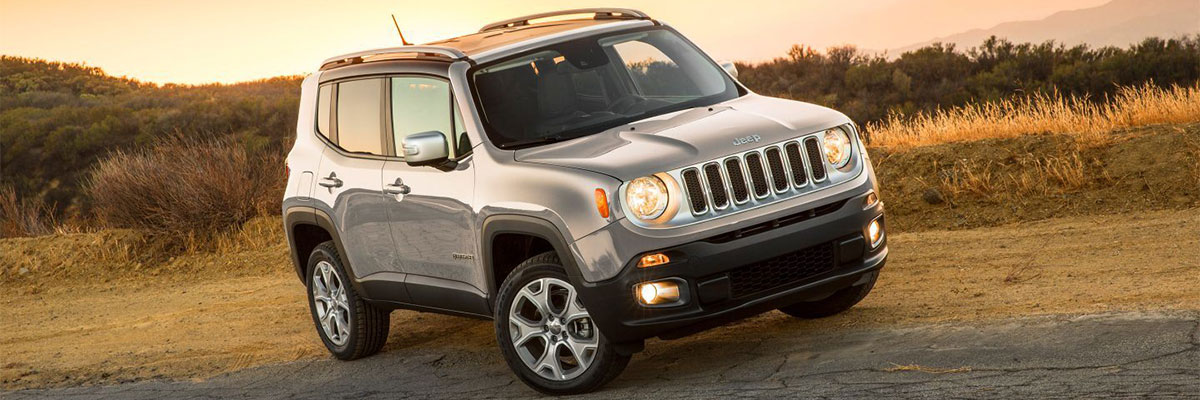
Used Jeep Renegade Buying Guide
The Jeep Renegade hit the streets in 2015 and was aimed at filling a vital role in the Jeep family. If you’re looking for something smaller, more road friendly, and want the Jeep name that goes with it, then this is the one for you.
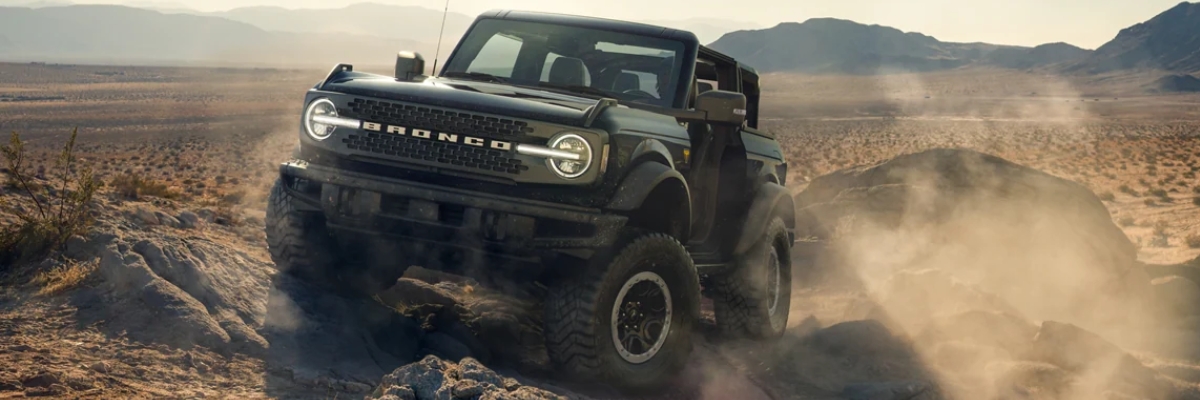
Used Ford Bronco Buying Guide
When it comes to vehicles that have seen their share of history, the Bronco is the first one that comes to mind. Spanning across 6 decades, as well as a brief hiatus, the Bronco has what you’re looking for, both new and old. Let’s take a closer look at the generations and their differences to give you a better understanding on any used model you may want.
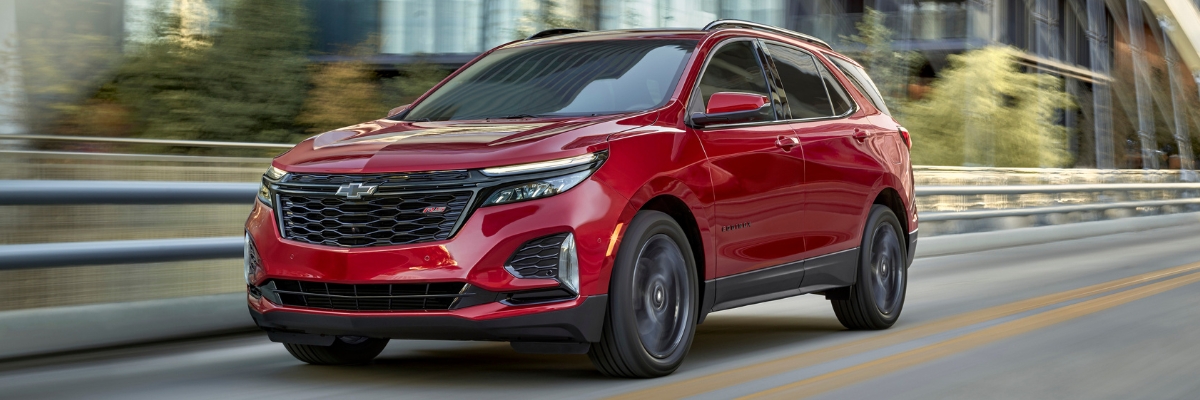
Used Chevy Equinox Buying Guide
The Chevy Equinox is one of Chevrolet's best-selling vehicles, even replacing some other vehicles in the Chevy family thanks to its popularity. Let’s take a closer look at some of the generations to see what makes each one unique.
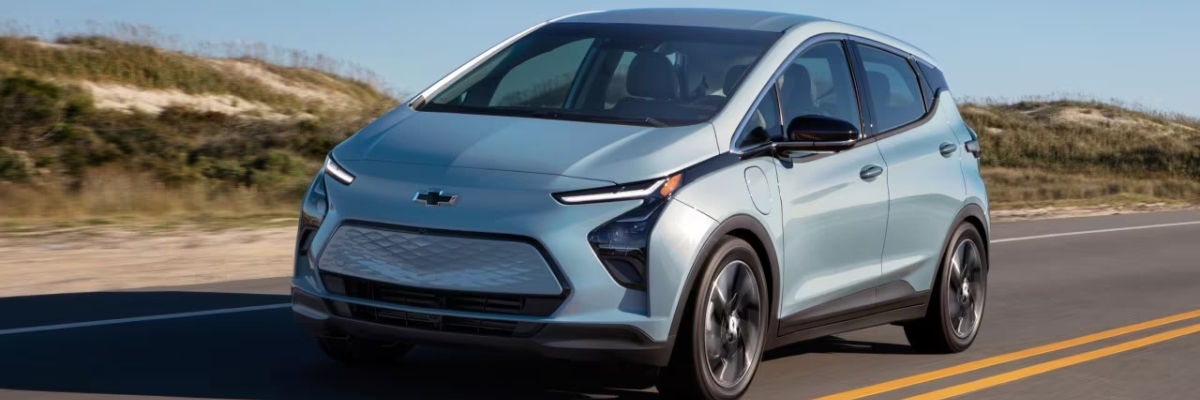
Used Chevy Bolt Buying Guide
The Chevy Bolt is one of Chevrolets’ greatest kept secrets. After a brief life, Chevy decided the Bolt did its job and was ready to retire it, but consumers had other ideas.
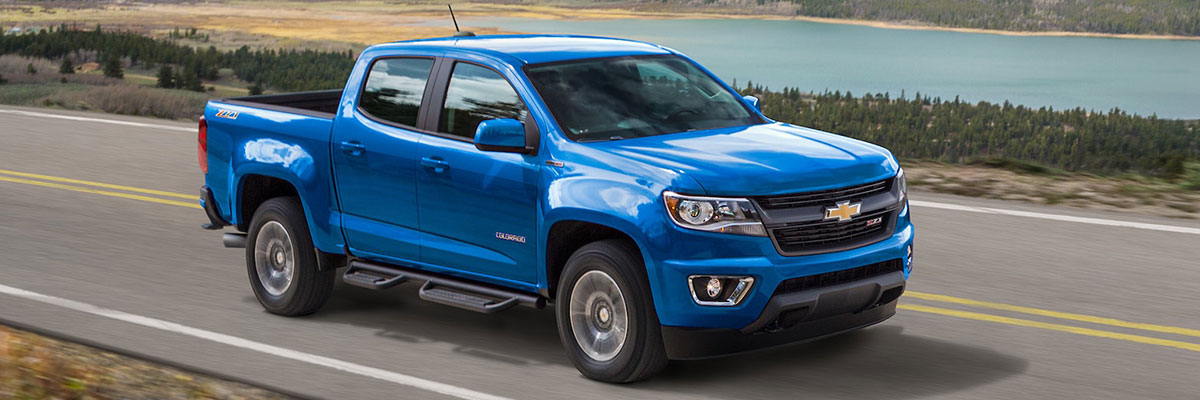
Used Chevy Colorado Buying Guide
Are you wanting a pickup that can get the job done, but don’t want something new or massive? The Chevy Colorado is what you want. Let’s take a look at the changes throughout the generations to give you a better idea of this model.
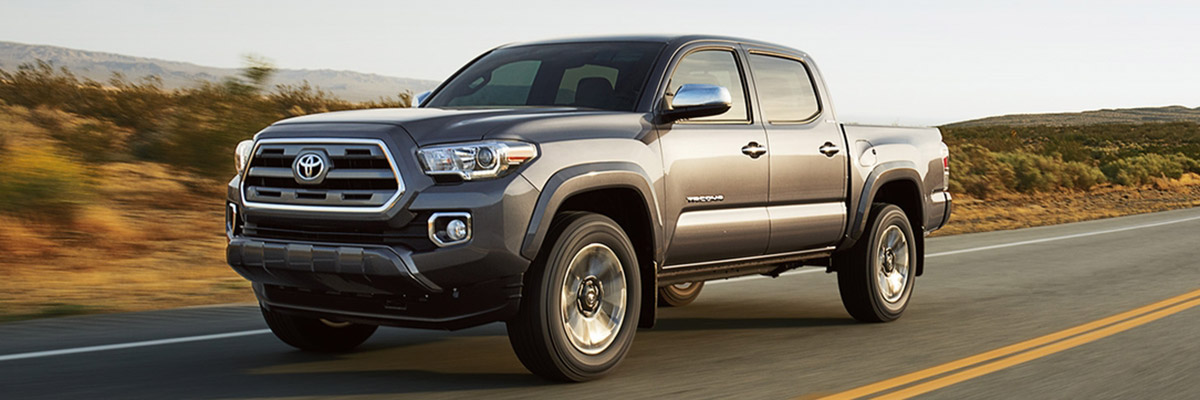
Used Toyota Tacoma Buying Guide
Are you wanting a used Toyota Tacoma that can get the job done, without having to worry about potential dings? Then let’s take a look at each generation to see which is best for you.
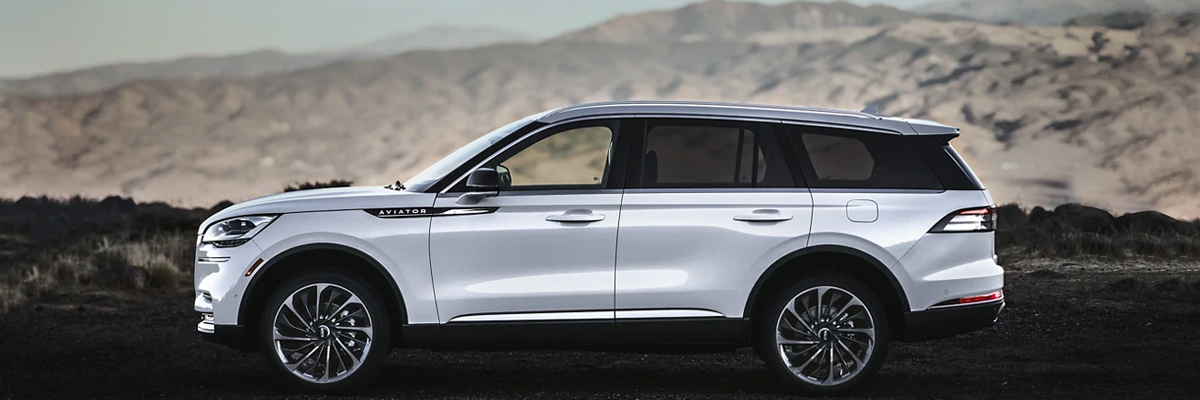
Used Lincoln Aviator Buying Guide
Are you wanting a Lincoln Aviator but don’t know what’s right for you? Let’s take a look at the two generations to see how they differ from one another.
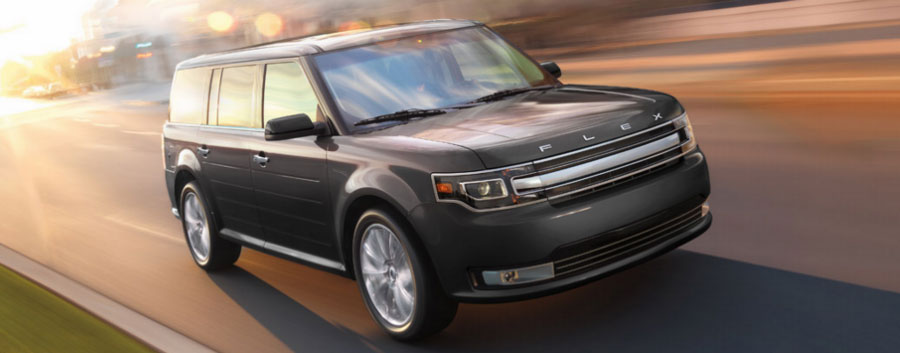
Used Ford Flex Buying Guide
The Ford Flex is a rather new addition to the Ford family that was discontinued a few years ago. If you’re wanting to get one used, then you’re in luck as it will come with modern features, even on the first iteration.
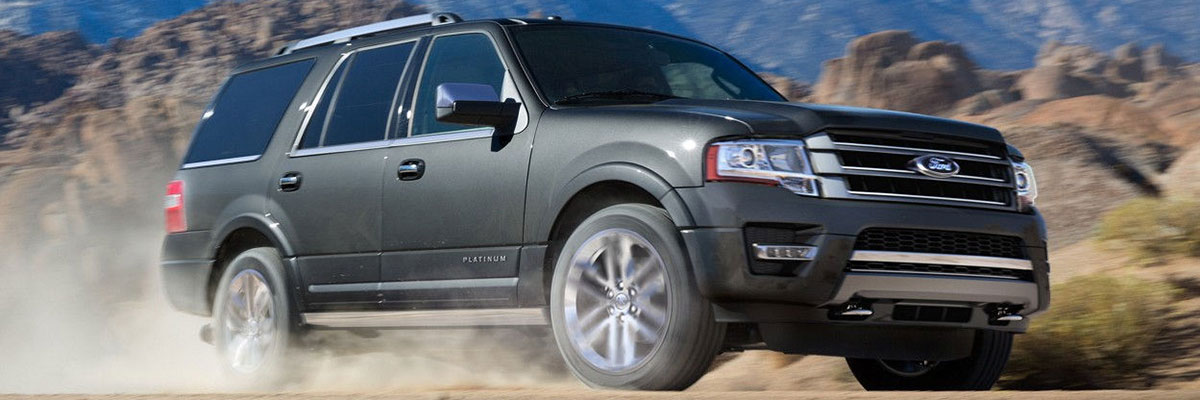
Used Ford Expedition Buying Guide
The Ford Expedition has been on the market for a few years, with plenty of generations to pick from. Let’s break down some major differences to find the best one for you.
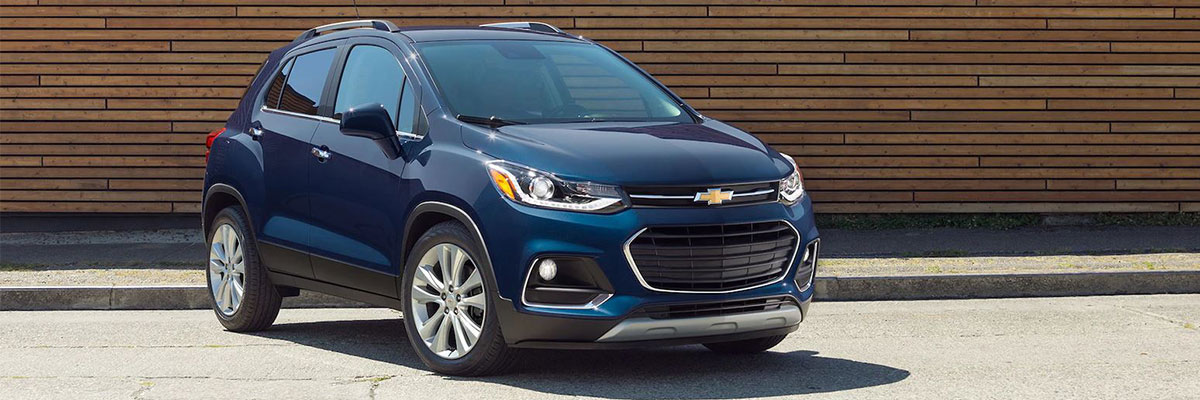
Used Chevy Trax Buying Guide
The Chevrolet Trax has been around since 2013, but came to the North American market in 2015. Let’s take a look at some of the changes this vehicle has gone through throughout the years to give you a better idea on what you might like.
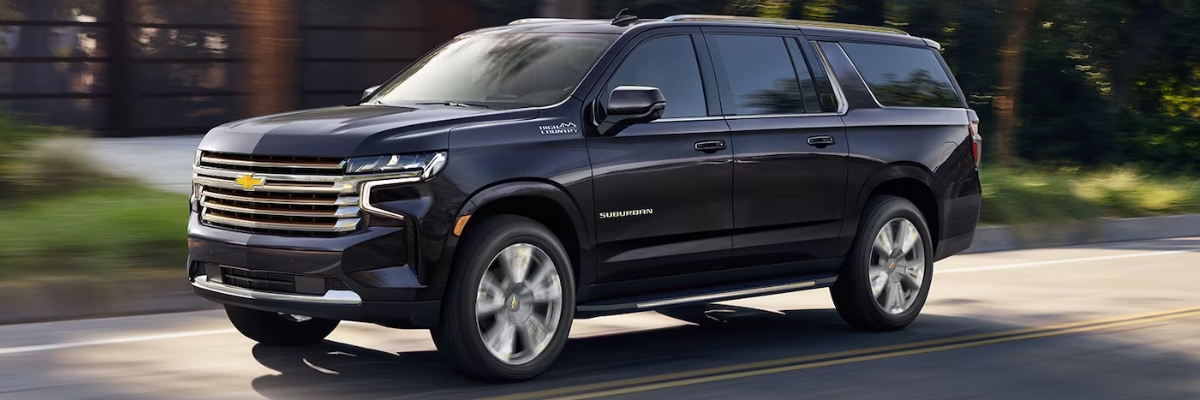
Used Chevy SUV Breakdown
When looking at Chevy’s SUVs, there’s a huge variety to pick from, but what are each one’s strengths and weaknesses? Let’s take a quick look at each model to help you out.
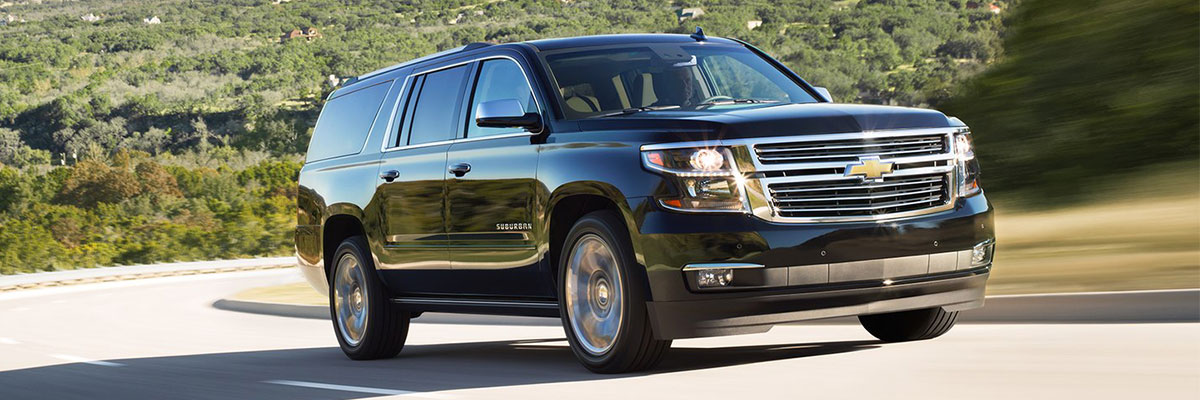
Used Chevy Suburban Buying Guide
Are you wanting a used Chevy Suburban but don’t know which year model is right for you? Let’s take a look at the different generations and what they’ve changed to give you a better idea.
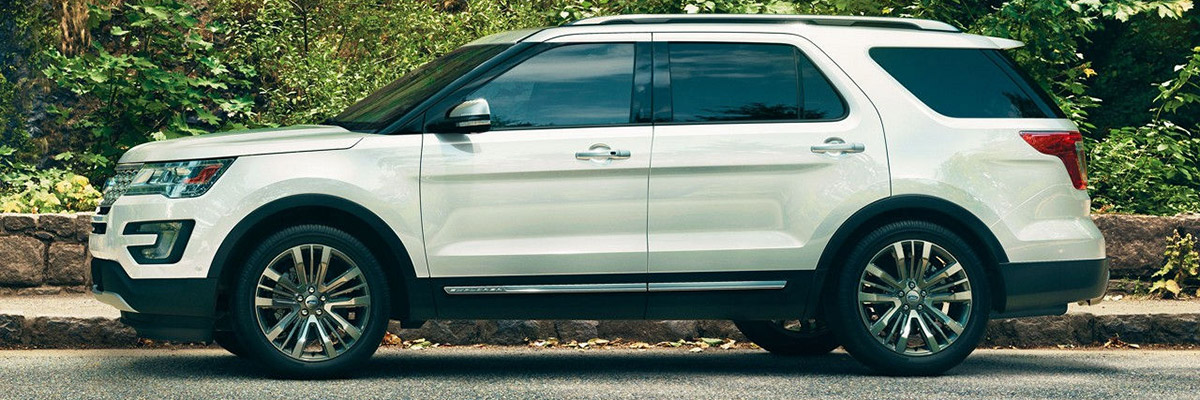
Used Ford Explorer Buying Guide
The Ford Explorer has a long history, with plenty of changes, but what are the differences between the generations on this SUV? We’ll take a look at some key areas in each generation to give you a better idea.
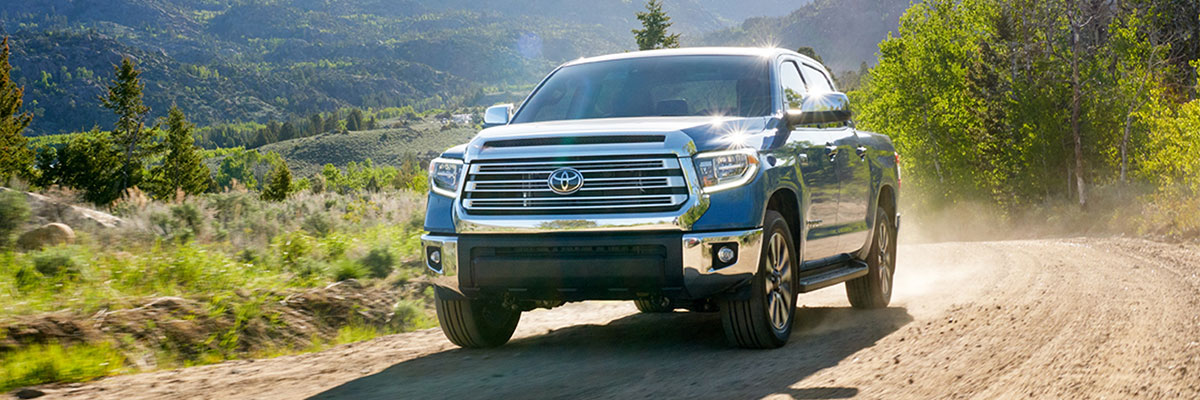
Used Toyota Tundra Buying Guide
The Toyota Tundra has been on the market for a few decades, and this truck has seen a few generations. If you’re in the market for a used one, we’ll break down some of the differences for you.
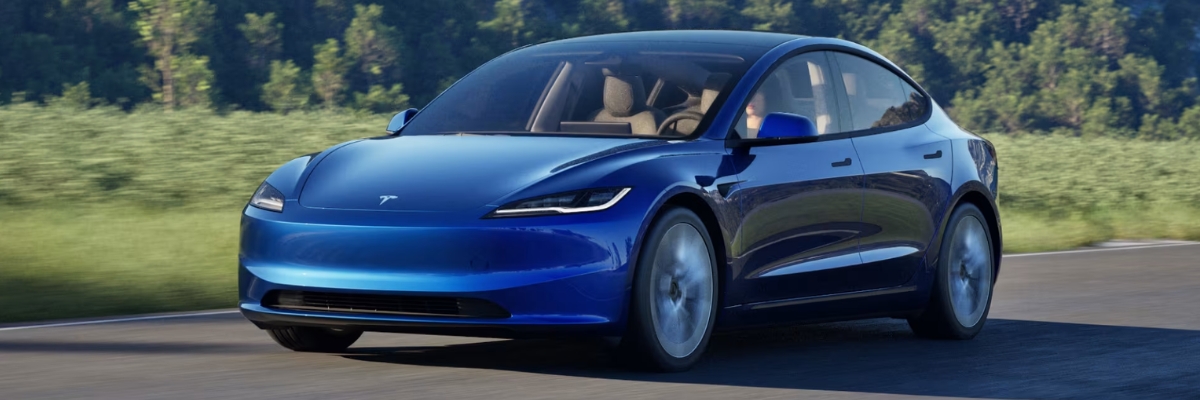
Used Tesla Model 3 Buying Guide
Are you in the market for a used Tesla Model 3 but aren’t too sure which year to get? Let’s take a look at some of the changes that the Model 3 has gone through to help you decide.
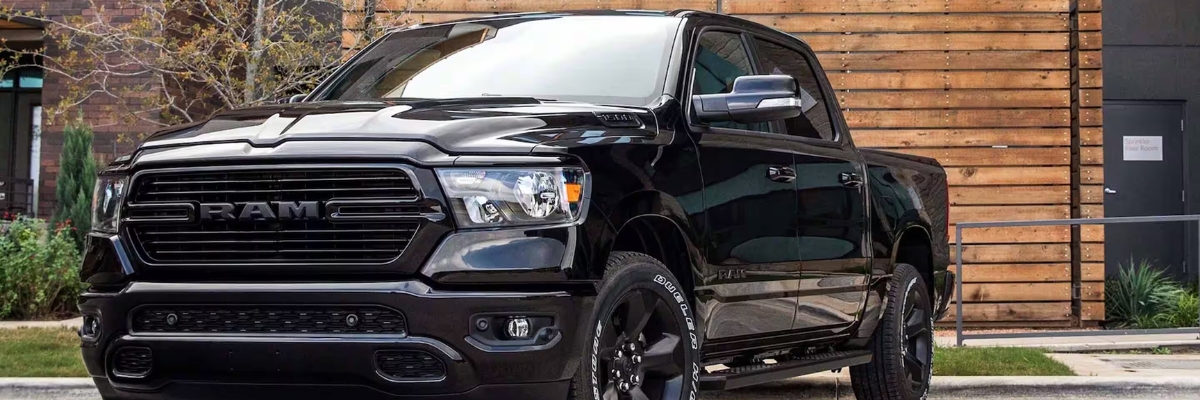
Used Ram 1500 Buying Guide
The Ram 1500 is the fifth generation of Ram trucks, this truck hit the market in 1981 and ever since it still remains a benchmark on what it means to be a full-size pickup.
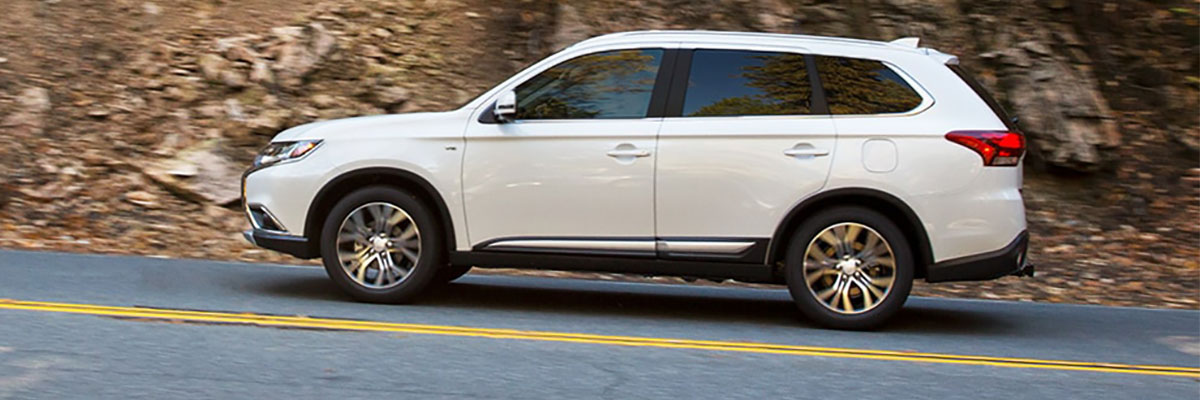
Used Mitsubishi Outlander Buying Guide
Are you in the market for a used Mitsubishi Outlander but don’t know which generation or year model to opt for? Let’s break down its life cycle to help give you a better idea for when you decide to purchase one.
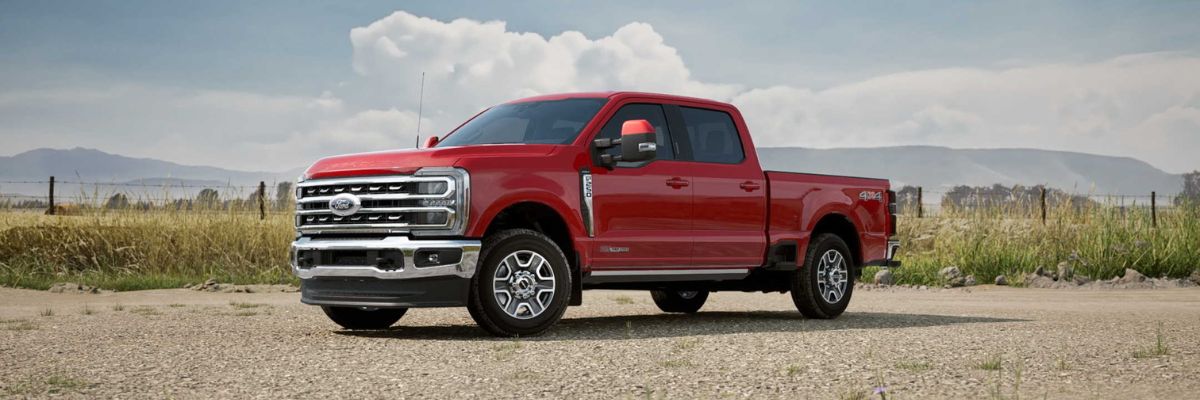
Used Ford Super Duty Buying Guide
If you’re working with heavy equipment, then the Ford Super Duty is well known. Hitting the market in 1999 to do the heavy lifting that the F-150 couldn’t do, let’s see how this truck differs in generations.
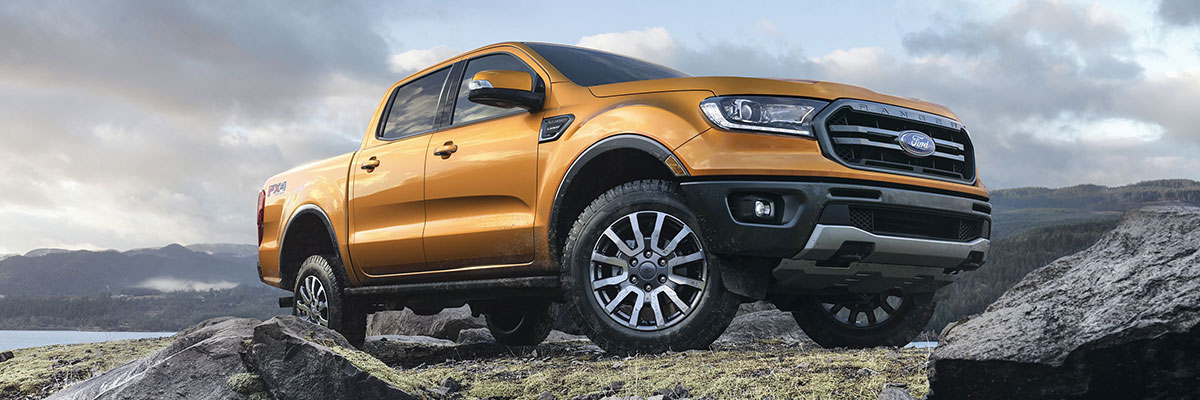
Used Ford Ranger Buying Guide
The Ford Ranger has seen a few changes in its life, changing classification, and even disappearing at one point. Let’s take a look at the different generations, and what made this truck unique.
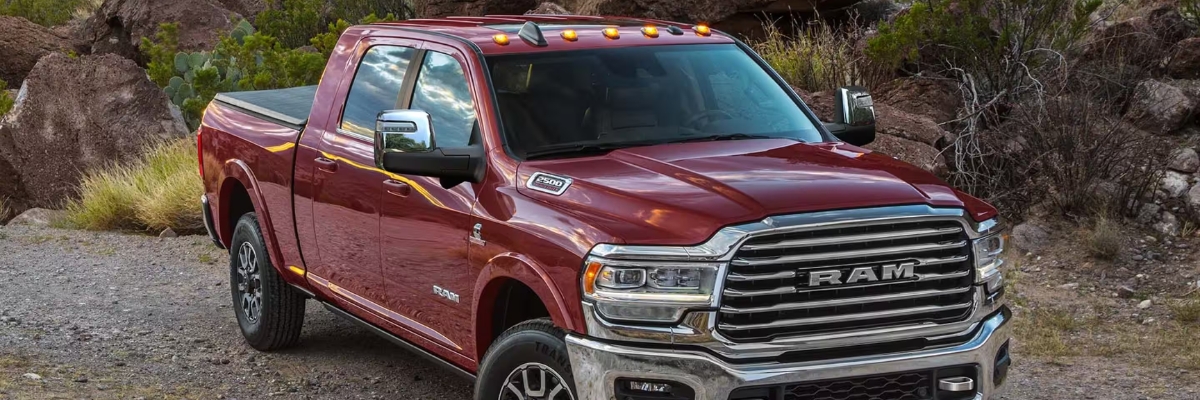
Used Ram Trucks breakdown
When it comes to Ram trucks, there’s been quite a few on the market. Let’s take a look at some past models, and some more recent models to see the history behind this truck lineup.
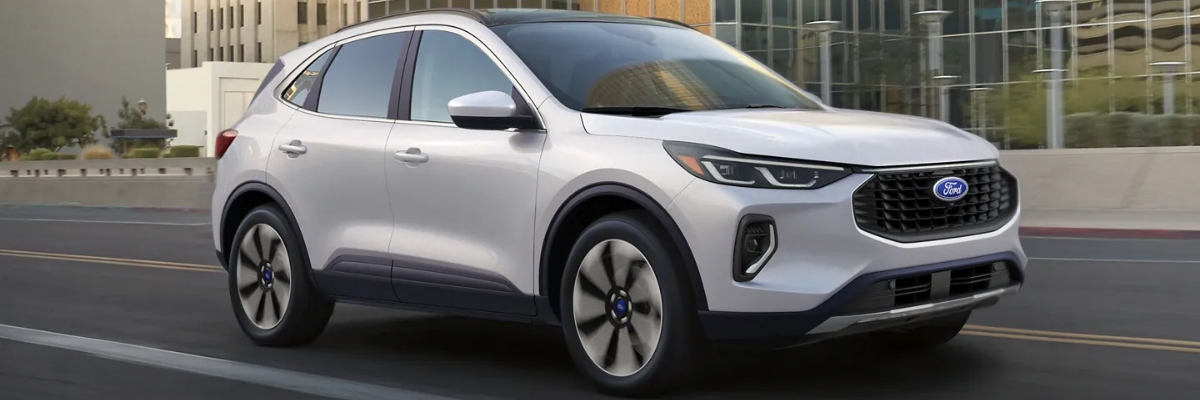
Used Ford Escape Buying Guide
The Ford Escape has been around the block a few times. If you’re wanting a newer used model, or even an older used model, this article is for you. We’ll break down some differences between the generations to help you decide if good is good enough for you.
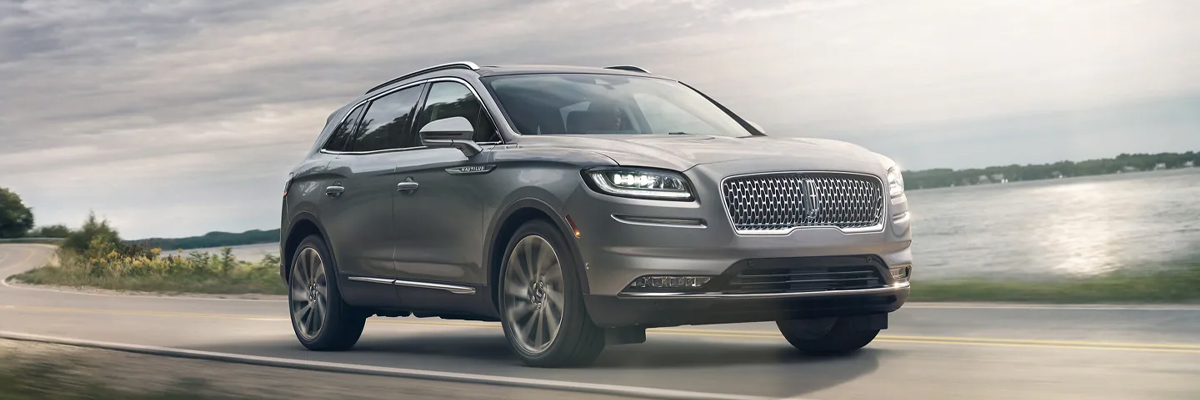
Used Lincoln Breakdown
Very few vehicle manufacturers have a resume like Lincoln does. From making vehicles for everyday people, all the way to making limousines for the presidents Lincoln seems to do it all. Although Lincoln is making mostly SUVs now, it doesn’t mean that you can’t get anything else, especially when looking in the used market. We can break it down for you.
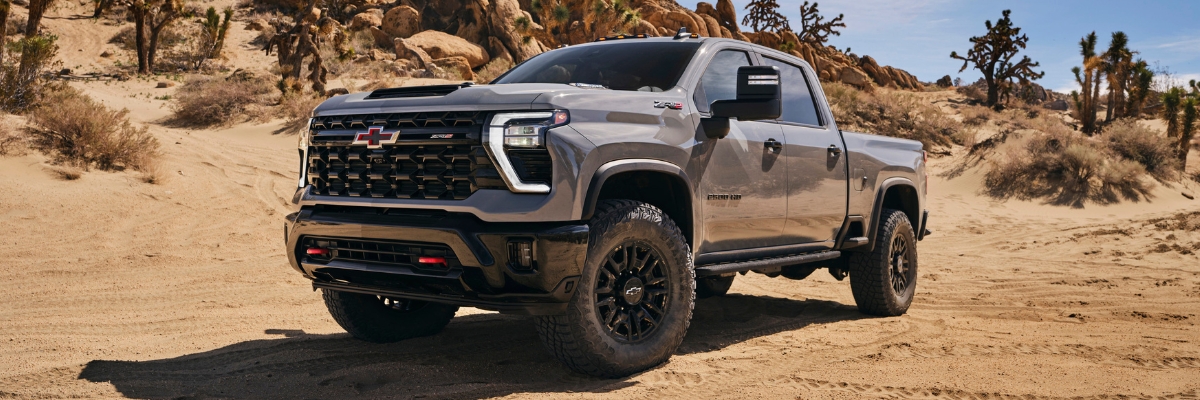
Used Chevy Truck Breakdown
When it comes to Chevy trucks, there’s a lot to look through both new and old, we’ll look through some of the most popular trims throughout the lineup.
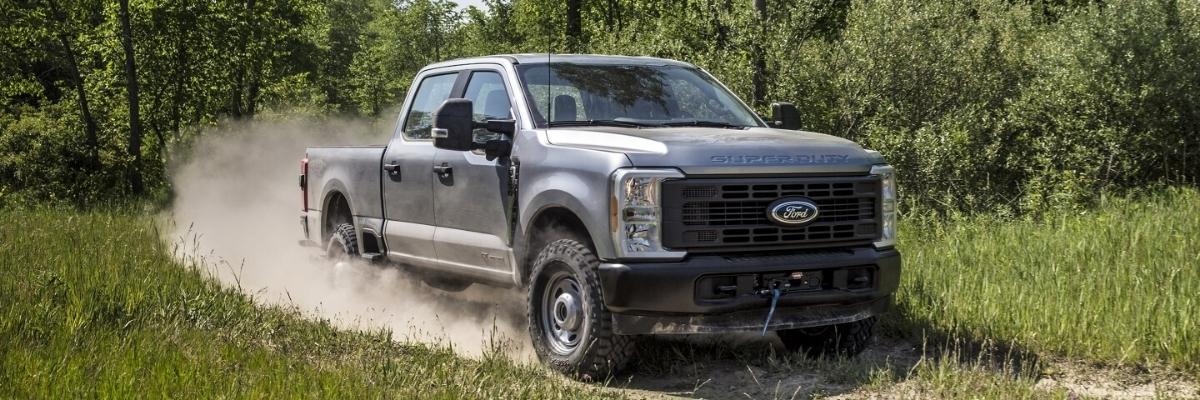
Used Ford Truck Breakdown
When it comes to Ford trucks, there’s a few to pick from, let’s take a look at what makes each truck unique.
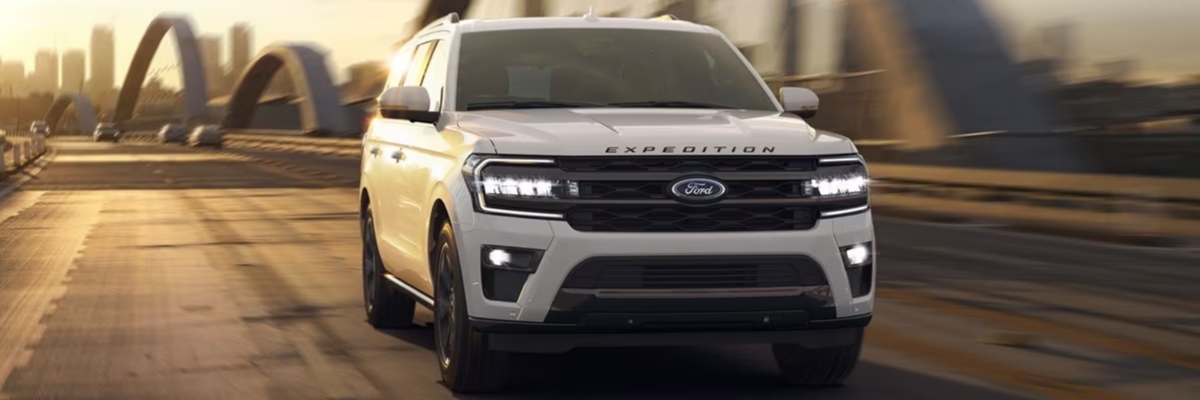
Used Ford SUV Breakdown
Are you in the market for a used Ford SUV but can’t decide which model is the right one for you? Let’s look at some models and help with your decision.
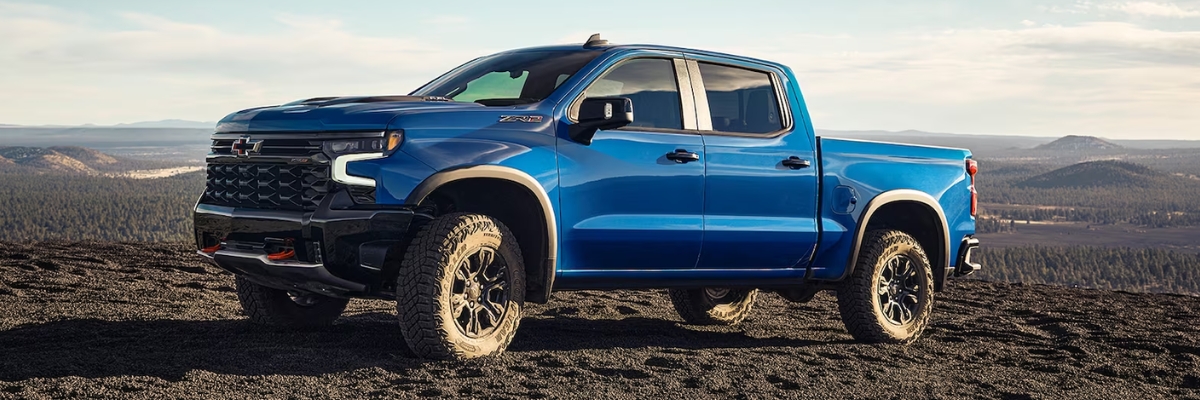
Used Chevy Silverado 1500 Buying Guide
The Chevy Silverado 1500 has been around for almost three decades, and to last this long on the market must mean it’s something special. If you’re wanting a work truck that can take some dings, or just want a new daily driver to keep your other vehicle low on mileage, then this truck is for you.
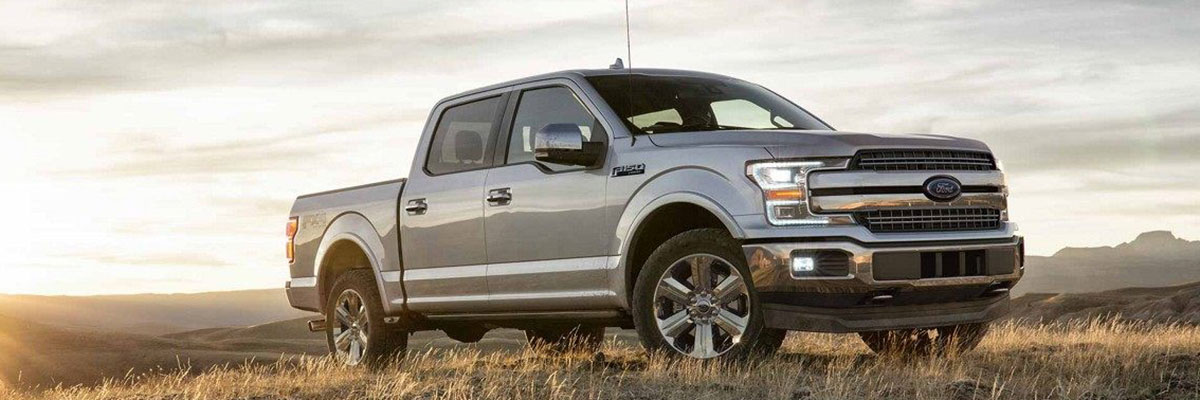
Used Ford F-150 Buying Guide
Are you in the market for a used Ford F-150, but don’t know which model or generation will suit your needs without having to pay more than you have to? Let’s take a look at some of the more recent generations to see how they differ.
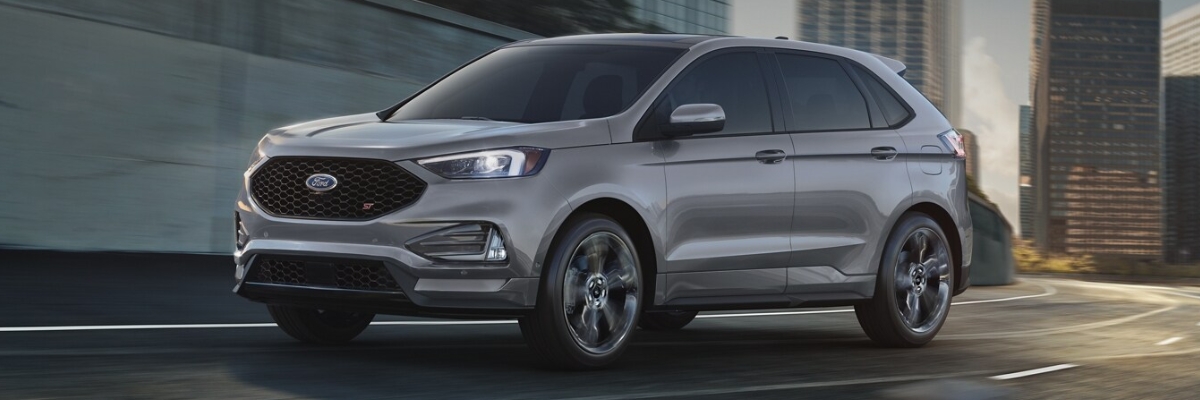
Used Ford Edge Buying Guide
When it comes to the Ford Edge, there’s only two generations available on the North American market, each boasting their own unique features. Let's take a look and see how they differ from one another.